Andy Burnham plans to run government from new No 10 North base
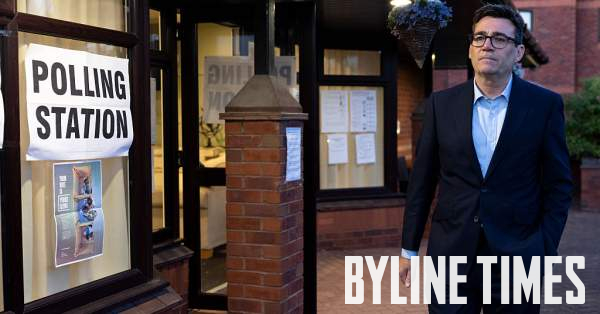
Prospective Prime Minister Andy Burnham has announced plans to establish a 'No 10 North' base in Manchester as part of a programme to decentralise British governance.

- Core Development: Prospective Prime Minister Andy Burnham has announced plans to establish a 'No 10 North' base in Manchester as part of a programme to decentralise British governance.
- Beat Context: Categorized under Politics with independent corroboration.
- Reporting Depth: 3 minute analytical read synthesized from verified newsroom sources.
Andy Burnham, the overwhelming favourite to become the next Prime Minister, has confirmed plans to establish a "No 10 North" outpost in Manchester as part of a radical programme to decentralise British governance. The move marks a departure from traditional Westminster-centric administration, as the prospective leader aims to shift the "nerve centre of a rewired Britain" away from the capital.
The transition is set against a backdrop of significant political change following the resignation of Keir Starmer. With Mr Burnham expected to assume office as early as July 20, 2026, he has signalled that his tenure will focus on transferring power from Whitehall to regions and nations, a policy he argues is essential to reverse decades of regional inequality.
Media additions

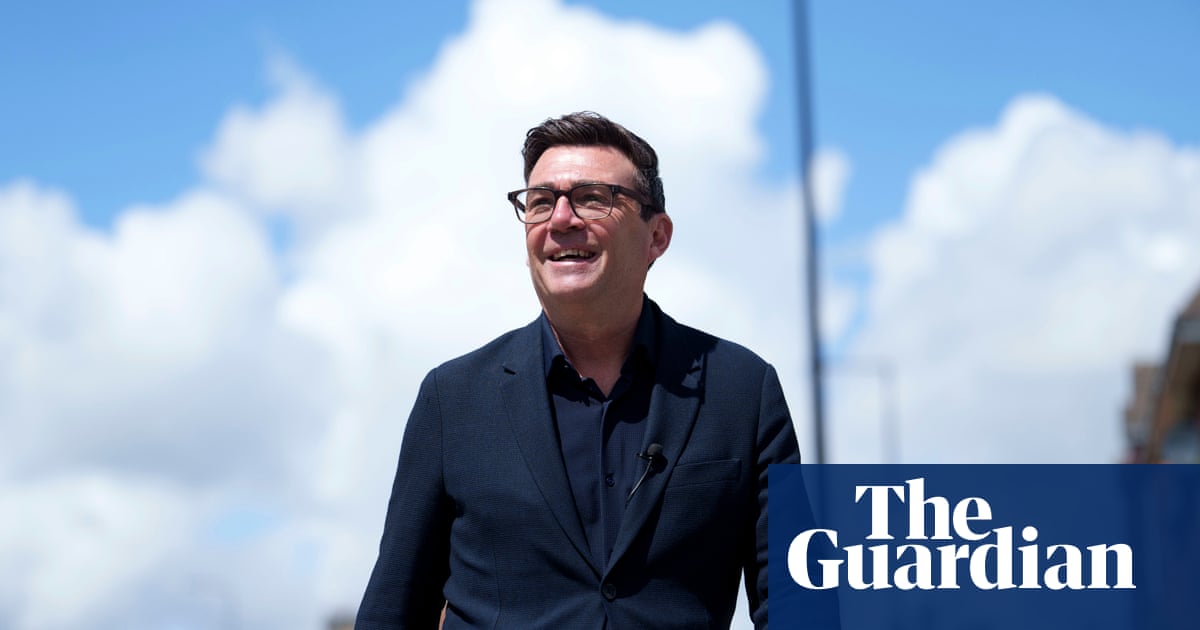

Operating from the North
According to reports, Mr Burnham does not intend to reside full-time in the flat above Downing Street. Instead, he plans to maintain his family home in Golborne, near Wigan, and utilise the London address only when his professional duties in the capital necessitate his presence. Allies of the MP state that his decision to stay in the North West is a reflection of his identity, with one associate noting, "He isn't just from the North, he's of the North."
The proposed No 10 North base is intended to serve as a hub for a broader devolution drive. Mr Burnham has stated that the office will oversee a series of reforms, including:
- A substantial expansion of council house building.
- Increased public control over essential utilities such as energy, water, and transport.
- A renewed focus on regional reindustrialisation.
- A requirement for government policy to undergo a "Makerfield test" to measure its impact on his constituents.
Political Reactions and Debate
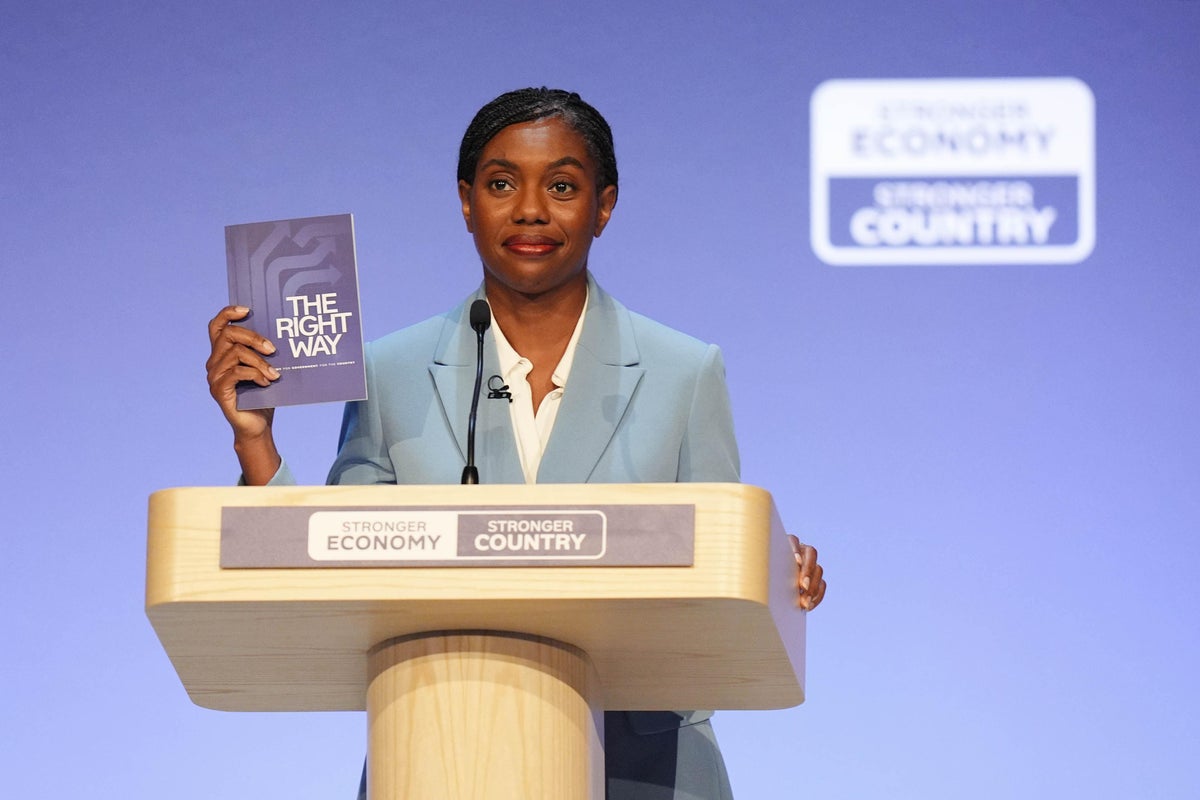
The vision has drawn a range of responses from across the political spectrum. Kemi Badenoch, the leader of the Conservative Party, has criticised the approach, warning that the UK is facing a "summer of chaos" and describing the plan as an attempt to "bribe voters" through excessive government spending. Mrs Badenoch further voiced concerns regarding potential economic uncertainty, noting that businesses are currently in "limbo" while waiting for details on future fiscal policy, including potential changes to capital gains tax.
Meanwhile, business leaders have offered a mixed reception. Rain Newton-Smith, chief executive of the Confederation of British Industry, stated that the business community could support the approach if it mirrors the collaborative environment seen in Manchester, but cautioned that excessive intervention in markets could deter private investment.
Security experts have also weighed in on the logistics of the proposal, warning that replicating the "fortress-level" security currently provided at the Downing Street site could involve costs reaching tens of millions of pounds annually.
Strategic Context
Mr Burnham's intervention comes at a time when the Parliamentary Labour Party is navigating the aftermath of a leadership change. Mr Burnham has promised a "10-year mission" to raise living standards while maintaining adherence to fiscal discipline. He has sought advice from several economic figures, including former Bank of England chief economist Andy Haldane, former OBR chair Richard Hughes, and former Treasury minister Lord O’Neill.
Despite his ambition, the lack of detail provided during his recent address in Manchester led to criticism from some commentators, including Jack Elsom, who described the speech as lacking in meaningful substance. Others, such as Patrick Maguire in The Times, characterised the address as "deceptively substantial."
What to watch next
| Date | Event |
|---|---|
| July 2026 | Expected "Labour coronation" and potential appointment as Prime Minister. |
| Autumn 2026 | Anticipated Budget announcement, where Mr Burnham has promised to provide "breathing space" for households. |
| Ongoing | Appointments to the Cabinet and selection of the new Chancellor, with frontrunners including Ed Miliband and Wes Streeting. |
As the date of his expected installation nears, pressure continues to mount on Mr Burnham to formalise his frontbench team and provide a roadmap for growth. While he currently holds the support of the majority of the Parliamentary Labour Party, the shift in how the nation is governed remains subject to intense scrutiny from opposition figures who have called for him to face direct questioning in Parliament.
How significant is this development?
Contribute your assessment to the aggregated reader sentiment ledger.
Frequently Asked Questions
Key questions answered in this reportWhat is the key development in: Andy Burnham plans to run government from new No 10 North base?
Prospective Prime Minister Andy Burnham has announced plans to establish a 'No 10 North' base in Manchester as part of a programme to decentralise British governance.
Why is this Politics development significant for the UK?
This report covers critical events in our Politics beat. Independent reporting monitors related UK statements, regulatory shifts, and public responses as further verified details emerge.
How was this reporting corroborated and verified?
Newsarchy UK compiles and cross-references reporting from primary reporting from dailymail.com and cross-checked wire reports. All coverage adheres to published editorial standards.
When was this report published?
This briefing was published on July 5, 2026 and is permanently cataloged in the Newsarchy UK Politics archives.