Ukraine naval drones sink Russian warship and hit cargo vessel off Libya
Ukrainian sea drones launched a surprise raid off the Libyan coast, sinking a modern Russian warship and striking a sanctioned cargo vessel in Benghazi.

Ukrainian sea drones sank a modern Russian warship and struck a logistics vessel in a surprise raid off the North African coast, dramatically extending the maritime battleground far beyond the Black Sea.
The operation unfolded on Sunday, 22 November 2026, when Ukrainian forces deployed seven domestically manufactured unmanned surface vessels against Russian targets at the Benghazi Naval Base in eastern Libya, according to statements from Yahoo News. Ukrainian President Volodymyr Zelenskyy confirmed Kyiv's responsibility on Monday, 23 November 2026, describing the strike as an exemplary response to ongoing Russian aggression and noting that the mission successfully achieved all designated objectives.
Media additions

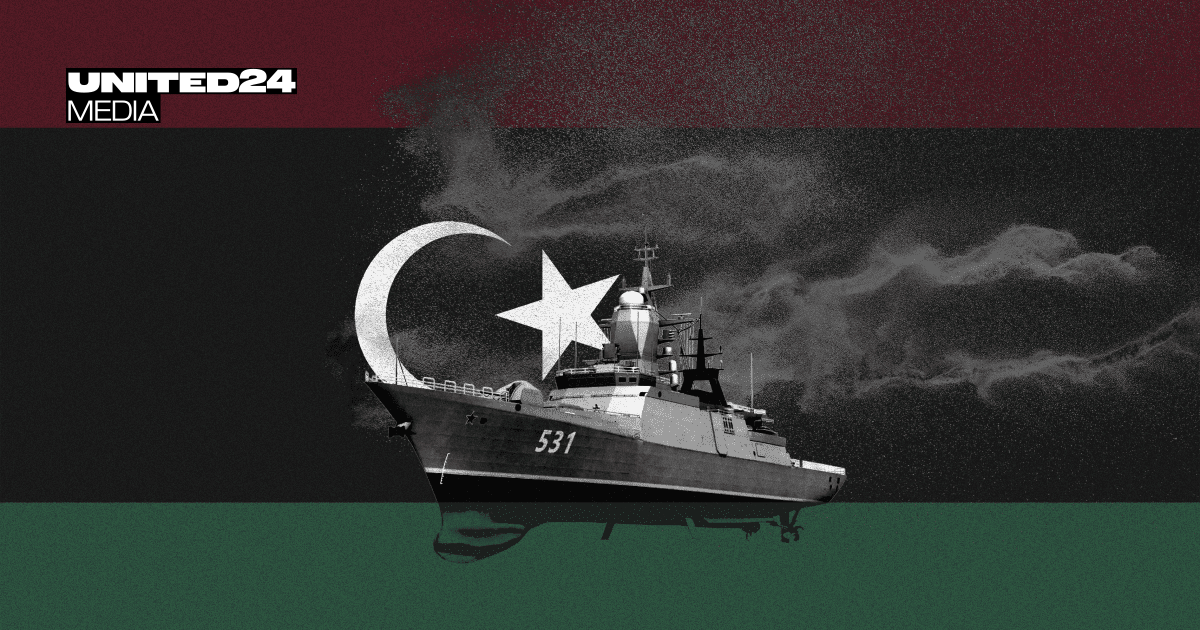
The primary target of the assault was the Russian Project 20380 corvette *Merkury*, bearing hull number 734 and assigned to the Russian Navy's Black Sea Fleet. Commissioned after the full-scale invasion began, the multirole warship was among the fleet's newest assets and regularly escorted Russian naval convoys, including vessels handling military cargo. A Ka-27 military helicopter aboard the corvette was also destroyed during the strike.
Alongside the warship, the drone swarm struck a secondary target: the sanctioned Russian dry cargo vessel *MV Angara*, which Kyiv accused Moscow of utilizing for military logistics and weapons transport. The operation took place roughly 1,500 miles from the nearest front lines in Ukraine, demonstrating an unprecedented operational reach. According to the Security Service of Ukraine, known as the SBU, the autonomous drones were transported near the operational zone aboard a larger mothership before being launched toward the port.
Accounts regarding the ultimate fate of the warship differed between Ukrainian claims and local assessments. While Zelenskyy and the SBU maintained that the *Merkury* was completely sunk, two Libyan officials who spoke on condition of anonymity asserted that the vessel suffered heavy damage rather than a total loss. Subsequent satellite imagery provided by Vantor showed the corvette capsized and largely submerged at its moorings, with only its bow remaining above the waterline. Civil defense teams in Benghazi rushed to the port early Sunday to extinguish massive fires sparked by explosions, which residents reported hearing across the city.
Operations and Regional Fallout
Local authorities in eastern Libya reported that the *Merkury* had docked at the Benghazi facility to refuel and take on supplies as part of an existing bilateral maritime cooperation agreement between Moscow and the eastern-based government. According to preliminary investigations cited by Anadolu Ajansı, Russian defenses attempted to engage the incoming swarm from the air, sea, and land, intercepting four of the explosive boats while two successfully struck the warship. Ten Russian and Libyan personnel sustained minor injuries in the blasts.
The incident triggered wider regional security concerns and diplomatic friction. The United Nations Support Mission in Libya expressed serious concern over the attack, cautioning that the North African nation must not become a proxy arena for foreign conflicts, and called for an immediate, independent, and transparent investigation. Meanwhile, the UN-recognized government based in Tripoli warned against involving civilian ports and infrastructure in foreign hostilities.
The eastern-based administration announced plans for a joint investigation with Moscow, while questioning the presence of foreign military specialists on Libyan territory.
The ripple effects of the maritime drone campaign extended further along the coast. Libyan military sources reported that a Maltese-flagged commercial vessel was struck by an additional drone boat off Benghazi later on Sunday, while naval and air units intercepted more than a dozen explosive surface craft in the surrounding waters. A separate incident in the Baltic Sea on Saturday saw a Russian cargo ship hit near Finnish waters, an event the Finnish military attributed to likely Ukrainian involvement though Kyiv offered no immediate comment.
| Target Vessel | Vessel Type | Reported Status | Associated Asset Destroyed |
|---|---|---|---|
| Merkury | Project 20380 Corvette | Sunk (Ukraine) / Heavily Damaged (Libyan Officials) | Ka-27 Military Helicopter |
| MV Angara | Dry Cargo Ship | Hit / Struck by Drones | None reported |
Russian Ambassador to Anadolu Ajansı Aydar Aganin accused Ukraine of deliberately seeking to expand the theatre of war into distant maritime transit lanes. The SBU countered that the operation proves the Russian navy and its supply lines possess no safe havens, even thousands of miles from domestic waters.
As diplomatic fallout continues across the Mediterranean, observers are monitoring several pending developments:
- The anticipated launch of any independent international probe requested by the United Nations into foreign military actions on Libyan soil.
- The findings of the joint investigation announced by Russian authorities and eastern Libyan administrators into port security failures at Benghazi.
- Potential responses from Moscow regarding the operational security of its naval logistics vessels stationed outside the Black Sea basin.