COP31 climate summit collapses in Antalya after failing to reach consensus
The 31st United Nations climate summit in Antalya collapsed after negotiations failed to secure consensus on a central political declaration.

The 31st United Nations climate summit, known as COP31, collapsed in Antalya on Sunday, 22 November 2026, after exhausting negotiations failed to secure a consensus on a central political declaration. The diplomatic breakdown occurred inside the Anatolian Hall of the EXPO 2016 Antalya complex after talks pushed past their scheduled Friday close into an unprecedented weekend of overtime, according to Frontline reporting. Turkish Environment Minister and COP31 President Murat Kurum acknowledged the failure, telling delegates that the proposed Antalya Pact lacked the necessary support. Kurum told delegates,
Kurum also addressed the assembly regarding the stalemate, with Murat Kurum stating that no one obtained everything they desired, according to Frontline reporting."There is nothing to do, we did all that we could. Since there are 196 countries, they will make the decision and we will respect their decision."
Murat Kurum, Turkish Environment Minister and COP31 President, via Frontline
Media additions

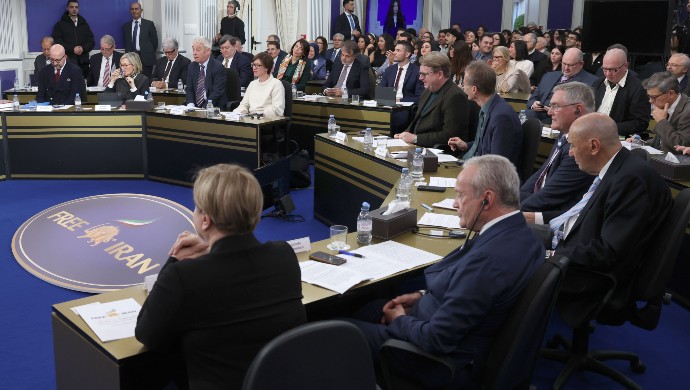
Delegations from nearly 200 countries remained deadlocked over fossil fuel commitments and climate finance allocations. The European Union, Norway, Panama, and various climate-vulnerable island nations rejected a draft text that omitted explicit references to phasing out fossil fuels. Panama’s representative warned the closing session,
Major petroleum-producing states like Russia and Saudi Arabia resisted constraints on their energy industries, while India and the Like-Minded Developing Countries opposed uniform electrification mandates that lacked guaranteed financial flexibility for national circumstances."The atmosphere does not negotiate, science does not negotiate, and the planet cannot wait any longer."
Panama's representative, via Frontline
Disputes over adaptation funding further exacerbated the divisions. African delegations, led by Ghana’s Environment Minister Zanetor Agyeman-Rawlings speaking for the African Group of Negotiators, rejected outcomes offering declarations without guaranteed resources.
While the UN Environment Programme estimates developing nations require hundreds of billions annually for adaptation by 2035—specifically about $305 billion a year—new pledges at the conference stalled far below targets at about $50.2 million against an annual fundraising target of $300 million. Spain made the largest pledge of about $27.8 million, followed by Germany with $11.1 million and Ireland with $6.7 million, while wealthy countries including the United States, Britain, Canada, France, Italy, and Australia made no new pledges to the fund."The continent will not accept an outcome that offers declarations without the resources to deliver them. We didn’t come here to beg. We came here to claim what is rightfully ours for our people."
Zanetor Agyeman-Rawlings, Ghana’s Environment Minister, via Frontline
The collapse in Antalya echoes historic deadlocks at past UN climate summits, such as COP6 in The Hague in November 2000 and COP15 in Copenhagen in 2009. As diplomats packed their equipment and departed the Mediterranean resort city, attention turned toward future milestones under the Paris Agreement framework, including upcoming stocktakes and national climate commitments.
Wider European Social Unrest and Global Context
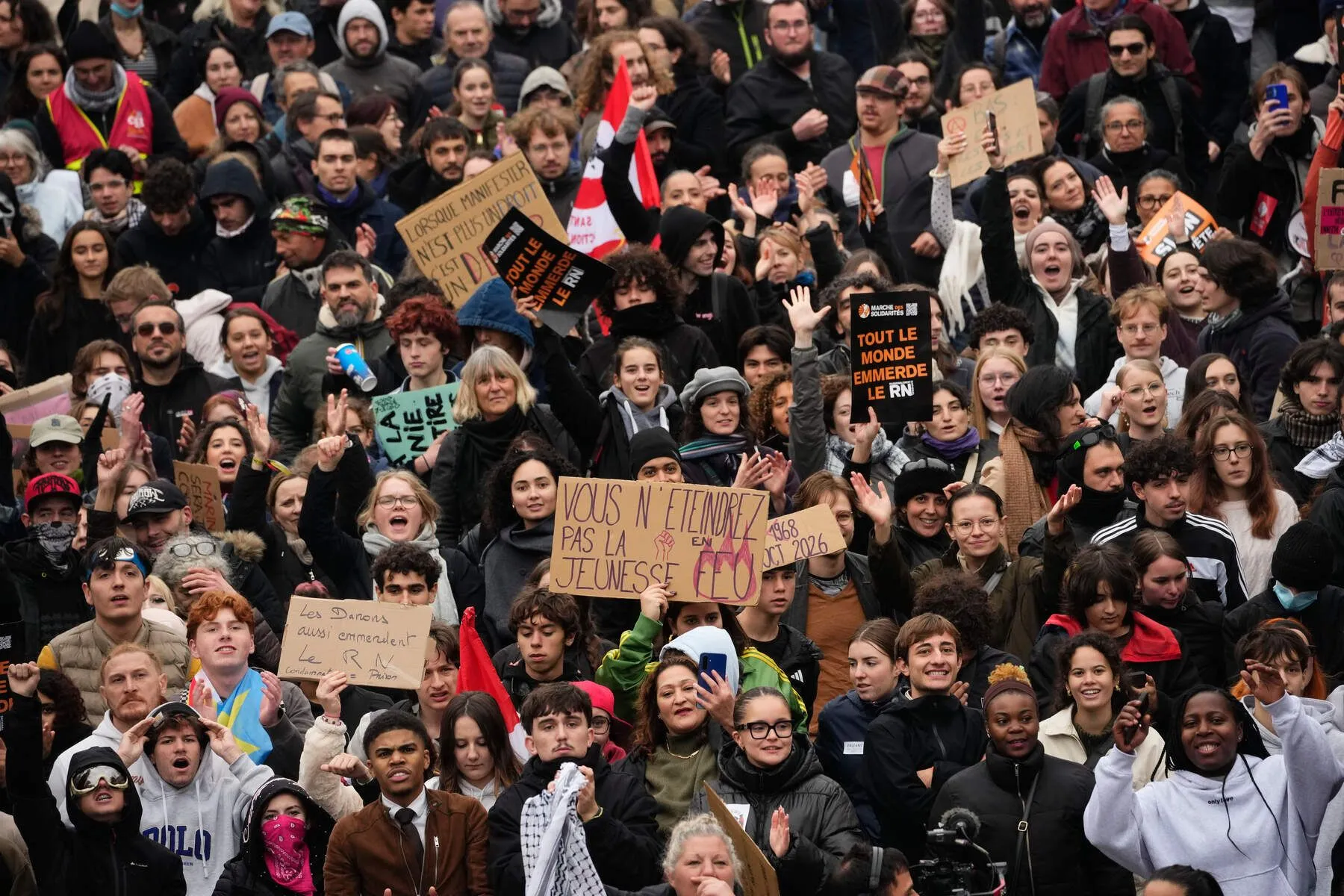
The stalemate in Antalya unfolded against a broader backdrop of intense civic mobilization and social friction across Europe and beyond. Throughout the autumn, citizens have taken to the streets in multiple countries, protesting cost-of-living pressures, housing unaffordability, and funding reallocations. According to reporting by Thepressproject, young people and trade unions have organized widespread demonstrations across at least nine European countries, highlighting how state budgets frequently prioritize military spending over public education and welfare services. In France, walkouts and demonstrations grew significantly, with about 550,000 people marching by mid-October according to the government's own count, while Spain and Portugal saw intense anger over housing that led to tenants' unions holding Spain's first general strike in 14 years on November 11 after the eviction and subsequent death of 87-year-old Maricarmen Abascal.
| Event / Summit | Location | Primary Point of Friction | Reported Outcome |
|---|---|---|---|
| COP31 Climate Summit | Antalya, Türkiye | Fossil fuel phase-out language and adaptation finance targets | Collapsed without consensus on November 22, 2026 |
| European Autumn Protests | Multiple EU Cities | Housing costs, education budgets, and rising military spending | Ongoing demonstrations and targeted general strikes |
What to Watch Next
- Monitor upcoming international climate consultations to see how nations recalibrate their nationally determined contributions following the Antalya impasse.
- Track developments in climate finance frameworks as developing nations push for legally binding adaptation resource commitments ahead of future UNFCCC gatherings.
For related economic coverage and corporate updates, readers can consult our Business coverage.