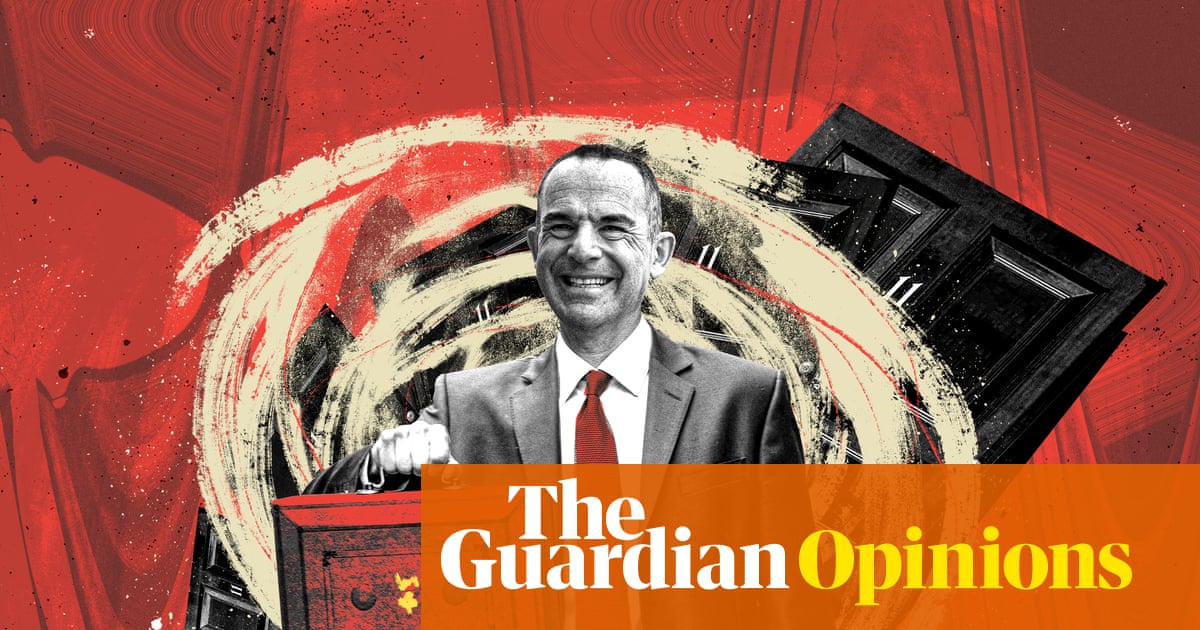
Budget 2026 sets record tax high as OBR warns living standards will stall
Chancellor John Healey delivered an autumn Budget setting a record high for the UK tax burden while the OBR warns living standards will stall.
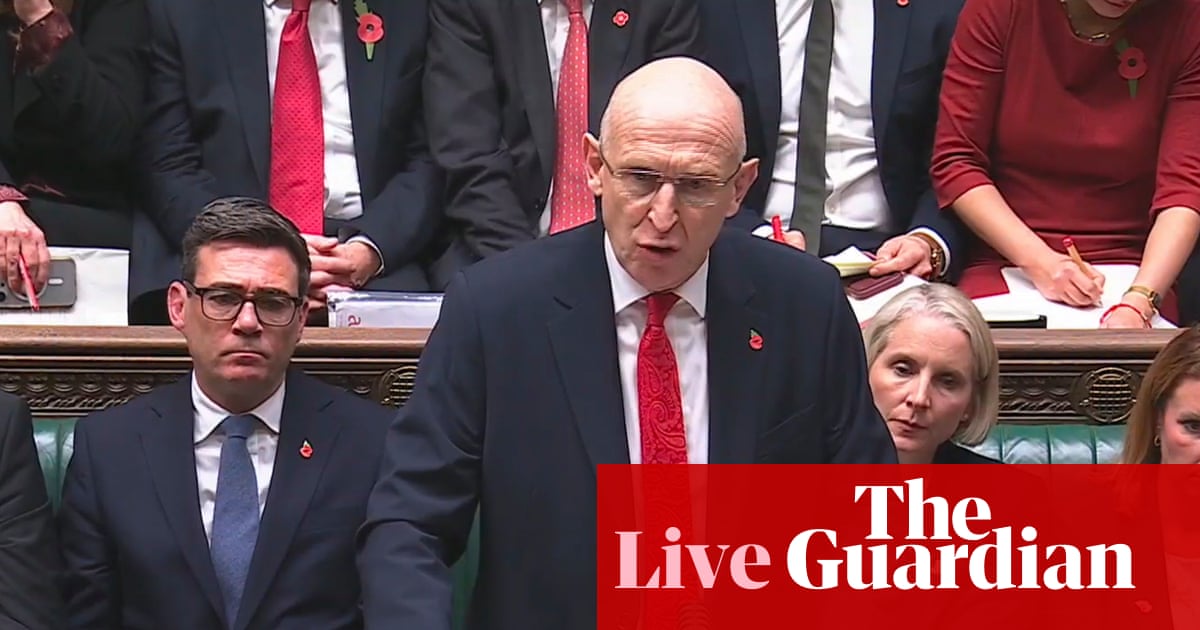
- Core Development: Chancellor John Healey delivered an autumn Budget setting a record high for the UK tax burden while the OBR warns living standards will stall.
- Beat Context: Categorized under Politics with independent corroboration.
- Reporting Depth: 5 minute analytical read synthesized from verified newsroom sources.
Chancellor John Healey has delivered his autumn Budget, setting a record high for the UK tax burden while the official economic watchdog warns that living standards are on course to stall at a historic low. Unveiled to the House of Commons, the fiscal package aims to steer the country through ongoing global turbulence driven by the conflict in the Middle East, yet it has immediately triggered intense political clashes and warnings from fiscal experts over the long-term outlook for household finances.
The Guardian reported that the Office for Budget Responsibility issued a stark assessment alongside the Chancellor's statement. Real household disposable income per person is crawling at a historic low, averaging just a quarter of a percent annually over the decade leading up to 2025–26, with further deceleration anticipated. Professor David Miles of the Budget Responsibility Committee described the trajectory as a pretty grim picture, noting that seven years after the pandemic, per-person real household disposable income shows virtually no growth — a deeply unusual phenomenon in modern British economic history.
Media additions
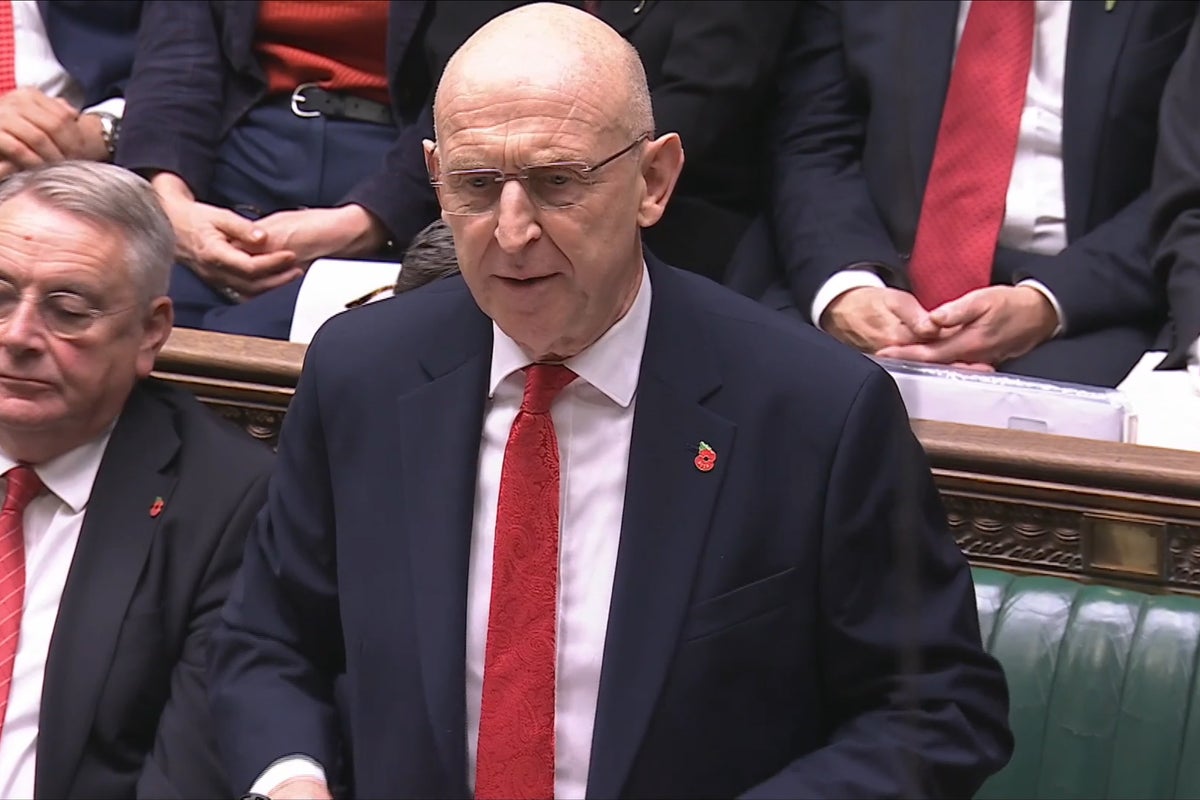
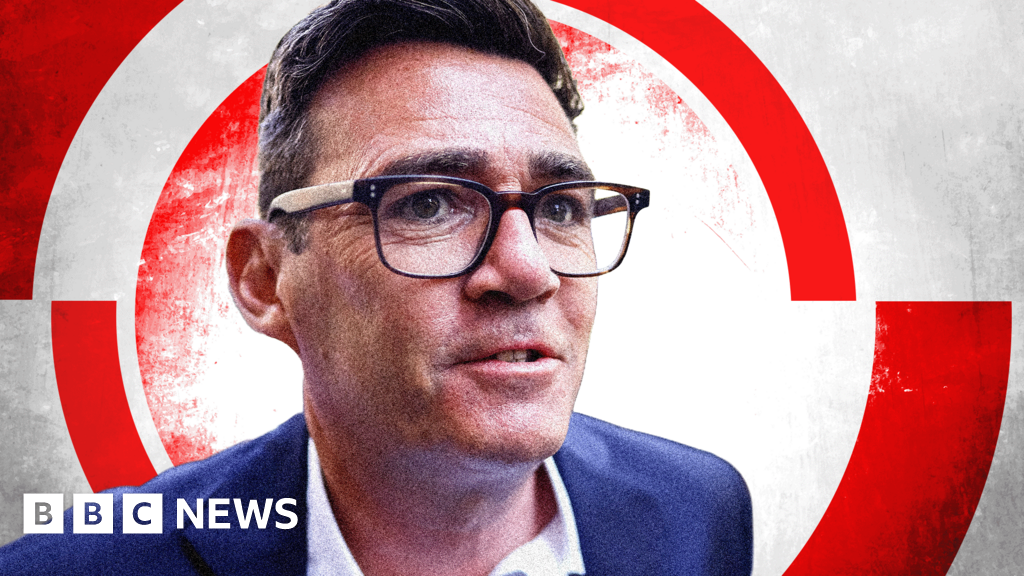
To cushion households against rising costs, The Independent detailed Mr Healey's core cost-of-living measures. Roughly 20 million households positioned in council tax bands A to D will receive a £100 payment deposited directly into their bank accounts, funded by a £2.6 billion package. Additionally, the VAT cut on electricity bills has been extended, shaving £50 off the annual price cap. The Chancellor also raised the national minimum wage by 3.9 per cent to benefit 2.3 million workers and extended the ongoing fuel duty cut until July 2027.
However, these targeted interventions are counterbalanced by substantial tax increases. The package includes a 2 percentage point hike on tax rates for income derived from property and savings, alongside a temporary 15-month bank tax raid that doubles the bank corporation tax surcharge from 3 per cent to 6 per cent. Chantal Van Stipriaan, corporate tax partner at Blick Rothenberg, noted in The Independent that banks had braced for a surge to 8 per cent, meaning the milder 3-percentage-point increase likely explained positive stock market reactions, with shares in major high street lenders rising.
High street retailers and small businesses received some relief, with the business rates threshold raised from £12,000 to £18,000, lifting 70,000 small shops out of business rates entirely. This is funded by stripping tax exemptions from vape shops and gambling outlets. Even so, the broader business community offered a mixed reception. Michelin-starred chef Tommy Banks told The Independent that without comprehensive sector-specific support, the minimum wage increase and unaddressed commercial property burdens would force hospitality businesses to close. Similarly, Helen Miller, director of the Institute for Fiscal Studies, warned that the fiscal package offered a raft of fiddly measures with little capacity to move the dial on overall economic growth, while landlord property tax hikes would inevitably drive up rents for tenants.
| Economic Indicator / Measure | Previous Outlook or Baseline | New Budget Projection / Figure |
|---|---|---|
| GDP Growth Forecast (Next Year) | 1.6 per cent | 1.0 per cent |
| GDP Growth Forecast (Current Year) | 1.1 per cent | 1.2 per cent |
| Bank Surcharge Rate | 3 per cent | 6 per cent (temporary 15-month period) |
| Minimum Wage Increase | Unchanged | 3.9 per cent rise for 2.3 million workers |
Economic headwinds have been exacerbated by escalating international tensions. Mr Healey pointed to the conflict in the Middle East as a primary driver of volatile energy markets and soaring borrowing costs, revealing that the UK is spending an additional £14 billion on debt interest this financial year alone — an extra cost roughly equivalent to a 2p rise in the basic rate of income tax. Consequently, the Office for Budget Responsibility slashed its gross domestic product growth forecast for next year from 1.6 per cent down to just 1 per cent.
The Chancellor's decisions have drawn fierce condemnation from Westminster opposition figures. Conservative leader Kemi Badenoch launched a scathing attack in the Commons, telling MPs that the country is overspent, overborrowed, and overtaxed. As reported by The Independent, Ms Badenoch mocked the administration's policy scale by declaring that the Prime Minister came in promising to reverse decades of economic orthodoxies and instead delivered minor retail tweaks. opposition parties criticized the government for kicking the can down the road on defence spending, noting that a firm path to raise military expenditure to 3.5 per cent of GDP by 2035 was deferred to next year's spending review.
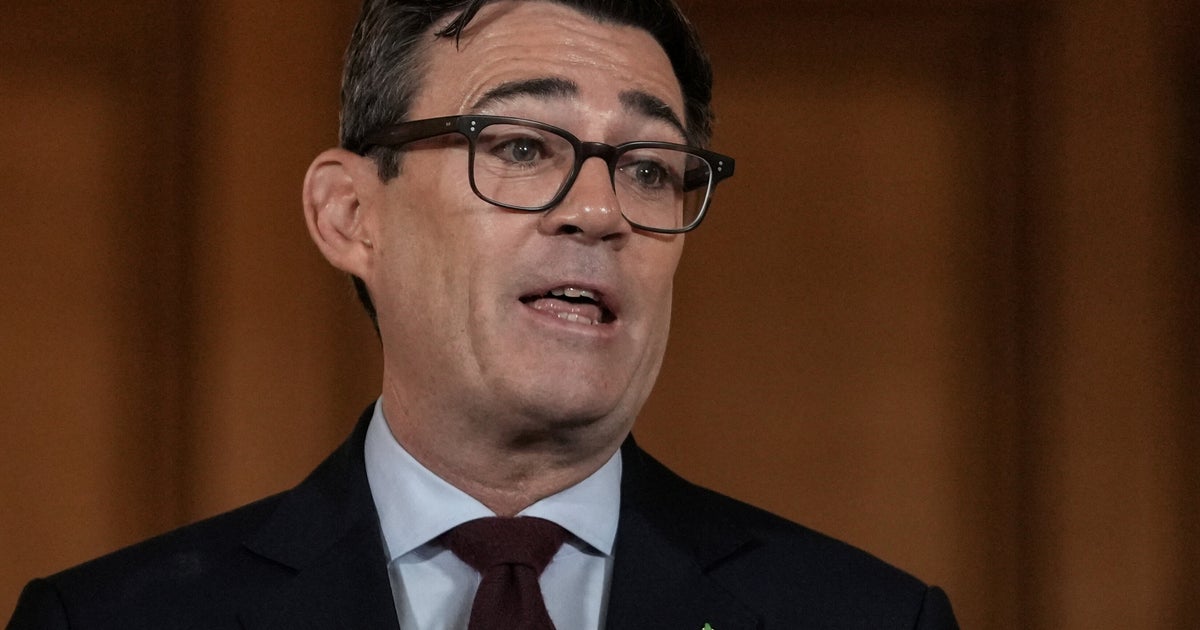
Speculation surrounding the political timing of the new administration had intensified following a series of favourable opinion polls suggesting a potential Labour majority. Reports from HuffPost UK highlighted that political critics suspected Prime Minister Andy Burnham might leverage the popular elements of the fiscal statement to call an early election. However, Mr Burnham firmly rejected those claims when speaking with journalists, explicitly ruling out a snap general election within the next 12 months. He insisted his focus remains strictly on delivering a long-term ten-year plan for citizens rather than pursuing internal party political advantage.
The wider political and legislative agenda of the Burnham administration, which BBC coverage notes includes sweeping regional devolution, plans to tackle rough sleeping, and potential reforms to social care funding, now faces the reality of tight fiscal headroom. As the government navigates these economic constraints, public attention turns to upcoming parliamentary debates and the detailed departmental allocations expected at next year's spending review.
How significant is this development?
Contribute your assessment to the aggregated reader sentiment ledger.
Frequently Asked Questions
Key questions answered in this reportWhat is the key development in: Budget 2026 sets record tax high as OBR warns living standards will stall?
Chancellor John Healey delivered an autumn Budget setting a record high for the UK tax burden while the OBR warns living standards will stall.
Why is this Politics development significant for the UK?
This report covers critical events in our Politics beat. Independent reporting monitors related UK statements, regulatory shifts, and public responses as further verified details emerge.
How was this reporting corroborated and verified?
Newsarchy UK compiles and cross-references reporting from primary reporting from BBC and cross-checked wire reports. All coverage adheres to published editorial standards.
When was this report published?
This briefing was published on October 29, 2026 and is permanently cataloged in the Newsarchy UK Politics archives.