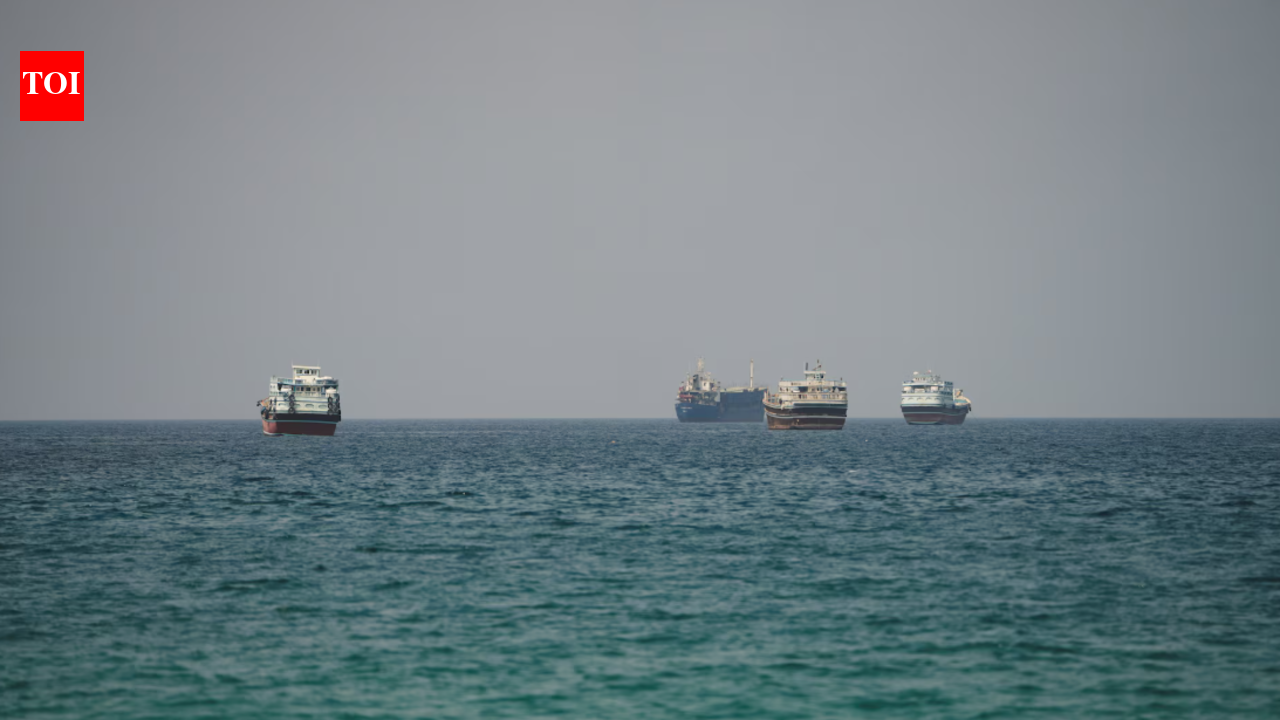
Iran intensifies Strait of Hormuz surveillance as oil flows crash
Iran has stepped up surveillance and altered attack patterns in the Strait of Hormuz, causing a sharp fall in oil transit and escalating military tensions with the US.

- Core Development: Iran has stepped up surveillance and altered attack patterns in the Strait of Hormuz, causing a sharp fall in oil transit and escalating military tensions with the US.
- Beat Context: Categorized under Politics with independent corroboration.
- Reporting Depth: 3 minute analytical read synthesized from verified newsroom sources.
Iran has stepped up its surveillance operations and adjusted its attack patterns in the Strait of Hormuz, according to reports by Al Jazeera and maritime tracking data. The heightened activity has triggered a sharp drop in oil flows through the waterway, intensifying a standoff with Washington that escalated following a war flare-up on February 28, 2026. Tehran aims to pressure the United States into reopening the vital maritime passage, a maneuver designed to influence the geopolitical and energy landscape ahead of the November midterm elections, according to Iranian officials cited by Reuters and The Guardian.
Expanded surveillance and shifting tactics
Following a US-led strike that destroyed much of Iran’s radar capabilities, the Islamic Revolutionary Guard Corps (IRGC) adopted alternative tactics. According to Al Jazeera, citing a report by Press TV, the Iranian Navy deployed new operational units east of the Strait of Hormuz, across the Sea of Oman, and over the Arabian Sea after a tanker sustained damage and caught fire. These units were instructed to maintain real-time surveillance of enemy activities and maritime traffic, while warning vessels against switching off transponders.
Media additions
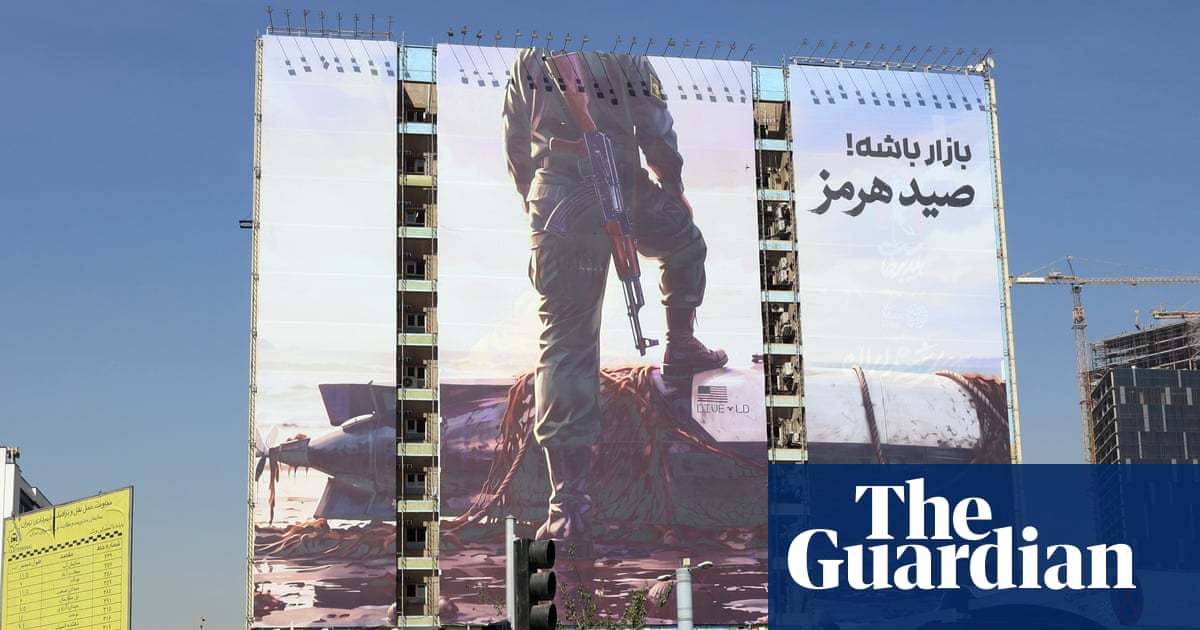
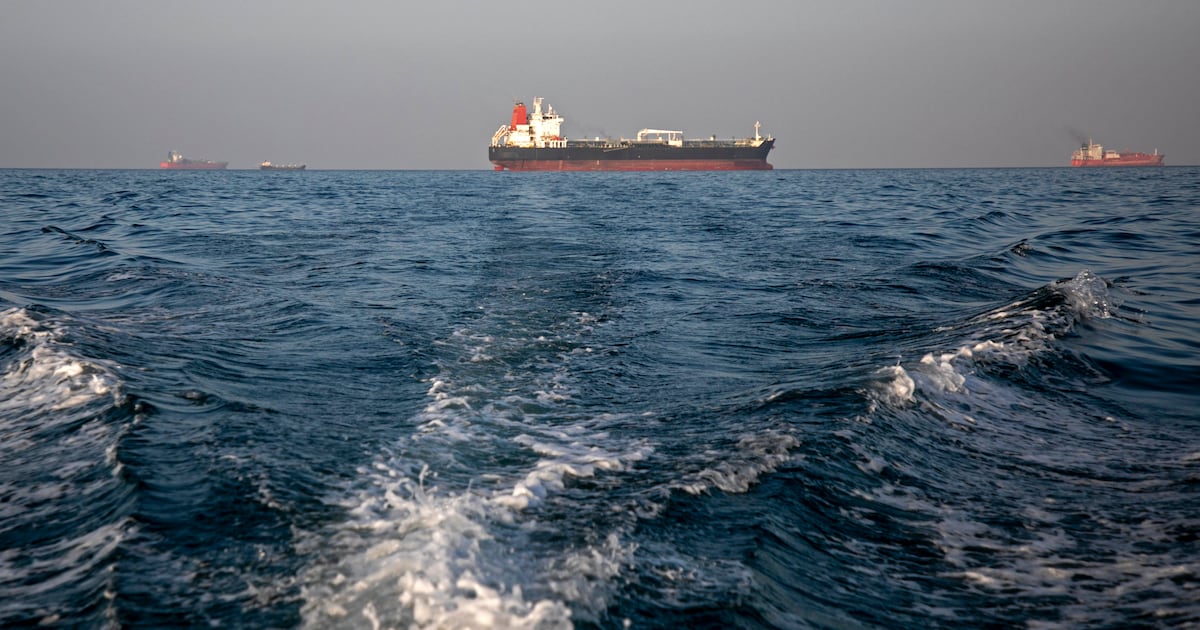

A US military official confirmed to Reuters and The Guardian that the IRGC began deploying unarmed spotters on small boats and dhows to identify potential targets, including US naval vessels, and call them in. US forces confronted one such dhow, instructed the occupants to abandon ship, and subsequently destroyed the vessel.
Surging attacks and declining oil flows
Maritime tracking firm Kpler recorded ten tankers struck in the strait between September 28 and October 4, followed by an additional strike on October 5. Simultaneously, the UK Maritime Trade Operations (UKMTO) logged 15 incidents between October 6 and October 14, with 11 of those occurring within a four-day span, as reported by Al Jazeera. Shipping analysts and international organizations noted that the renewed violence included missile and projectile strikes that sank two container ships: the Singapore-flagged GFS Pride and the Antigua-and-Barbuda-flagged Cape Dao.
The spike in attacks severely impacted energy transit. According to Kpler data reported by Al Jazeera, throughput plummeted to 2.9 million barrels on October 11, marking the lowest level of the month. This represented a steep decline from nearly 20.8 million barrels on October 8, well below the pre-war daily average of 17.1 million barrels. Before the conflict began, the strait typically handled about 125 large commercial vessels daily, accounting for roughly 20 percent of global crude and liquefied natural gas supplies.
Control claims and US-led escorts
The maritime disruptions heightened a rhetorical divide between Washington and Tehran. Mohammadreza Naqdi, an adviser to the IRGC commander, asserted that the Strait of Hormuz is closed and under the full control of the armed forces of the Islamic Republic, according to Fars news agency. Conversely, US Central Command (CENTCOM) rejected these assertions on X, stating that the IRGC navy commander lacks a functional navy and that American forces and regional partners clearly control the waterway.
CENTCOM reported that US forces assisted Gulf partners in shipping more than 19 million barrels of crude oil through the strategic chokepoint on Monday using an assisted shuttle system designed to bypass Iranian restrictions. However, Iranian security chief Mohsen Rezaei claimed that the US shuttle system is a primary target and that Iranian forces have been striking participating vessels nightly.
Diplomatic efforts and outlook
Diplomatic channels remain active alongside the military standoff. Political scientists note that while mediation efforts continue, Tehran continues to use regional pressure tactics while Washington maintains its naval presence and port blockades.
Shipping operators, threat monitoring services, and global energy markets are closely tracking throughput figures and threat classifications in the waterway. The next steps hinge on whether ongoing diplomatic consultations yield a framework to reopen the strait and de-escalate the conflict before upcoming political milestones.
How significant is this development?
Contribute your assessment to the aggregated reader sentiment ledger.
Frequently Asked Questions
Key questions answered in this reportWhat is the key development in: Iran intensifies Strait of Hormuz surveillance as oil flows crash?
Iran has stepped up surveillance and altered attack patterns in the Strait of Hormuz, causing a sharp fall in oil transit and escalating military tensions with the US.
Why is this Politics development significant for the UK?
This report covers critical events in our Politics beat. Independent reporting monitors related UK statements, regulatory shifts, and public responses as further verified details emerge.
How was this reporting corroborated and verified?
Newsarchy UK compiles and cross-references reporting from primary reporting from ARYnews.tv and cross-checked wire reports. All coverage adheres to published editorial standards.
When was this report published?
This briefing was published on October 16, 2026 and is permanently cataloged in the Newsarchy UK Politics archives.