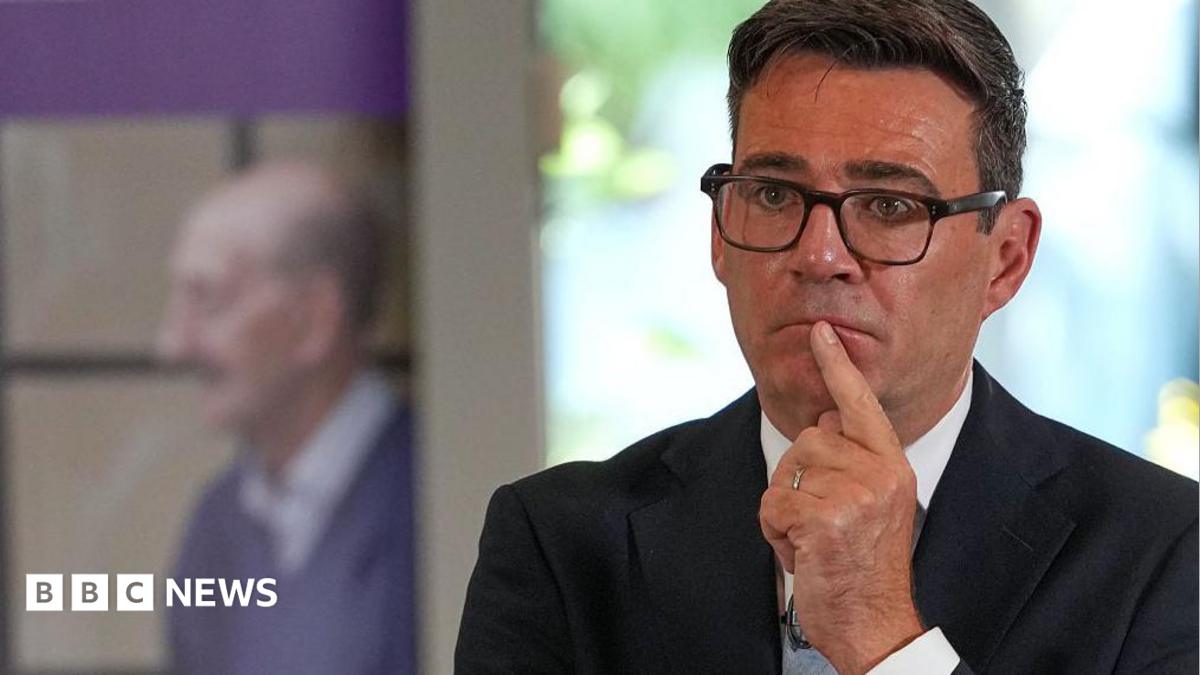
John Healey calls benefit bill reduction a moral duty at Labour conference
Chancellor John Healey used his Labour conference address to frame welfare reduction as a moral imperative, unveiling a £100m apprenticeship expansion.

- Core Development: Chancellor John Healey used his Labour conference address to frame welfare reduction as a moral imperative, unveiling a £100m apprenticeship expansion.
- Beat Context: Categorized under Politics with independent corroboration.
- Reporting Depth: 4 minute analytical read synthesized from verified newsroom sources.
Chancellor John Healey used his inaugural party conference address in Liverpool to declare that reducing Britain's welfare expenditure is a moral imperative rather than a mere fiscal necessity, warning that the state can no longer afford the spending levels seen during the New Labour era. Speaking to delegates on Monday, the Chancellor argued that allowing the benefits bill to balloon while failing to secure employment for young people represents a failure of progressive politics. The intervention arrives amid mounting pressure on public finances ahead of the upcoming fiscal statement, with ministers grappling with stubborn borrowing costs, sluggish economic growth, and warnings from independent economic forecasters regarding shrinking fiscal headroom.
Addressing the party faithful, Healey insisted that the best offering for the younger generation is a first job equipped with training and a wage rather than an open-ended benefit claim. Government figures indicate that approximately one in eight individuals aged 16 to 24 in the UK remain classified as NEETs, trapped outside education, employment, or training. In the capital alone, Office for National Statistics data highlighted by the London Evening Standard shows nearly 350,000 residents relying on unemployment-related benefits, with roughly 11.6% of young Londoners falling into the NEET category.
Media additions

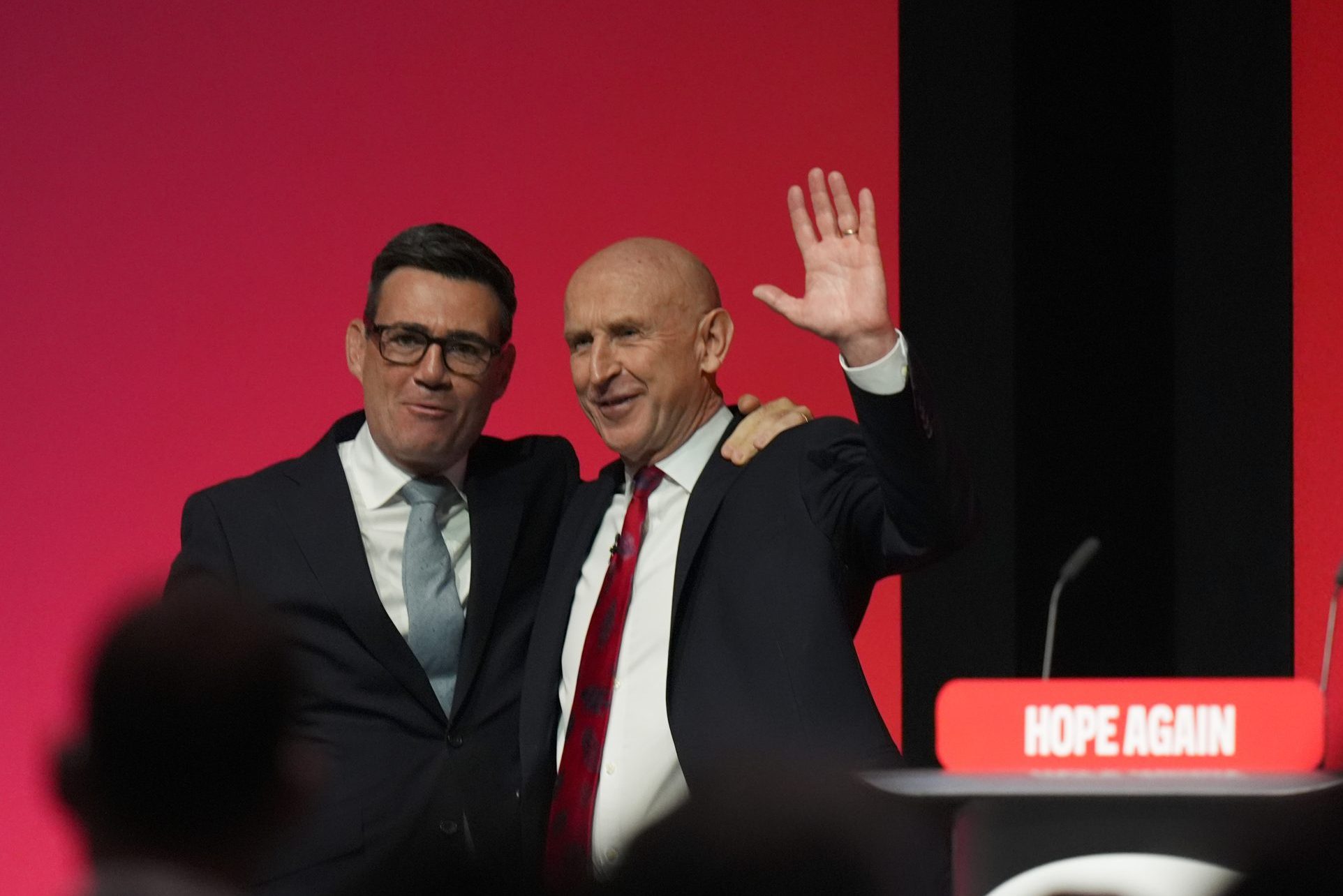

To combat this, the Chancellor unveiled a £100 million rollout of the Local Apprenticeships Service. Initially conceived as a pilot, the scheme will be made available to any English mayor requesting it starting in March 2027, utilizing savings harvested from Department for Work and Pensions fraud crackdowns to connect trainees with local businesses.
Economic pressures loomed large over the conference hall. Healey noted that debt interest payments currently eclipse the combined budgets of the Home Office, the Ministry of Defence, and the Ministry of Justice, describing the national debt burden as an affront to public values. Echoing warnings about fiscal realism, the Chancellor observed that the financial flexibility enjoyed under Tony Blair and Gordon Brown has evaporated due to lower growth rates and accumulated debt from subsequent administrations.
| Welfare & Fiscal Metric | Figure / Estimate | Source / Context |
|---|---|---|
| Projected Welfare & Social Security Bill (2025/26) | £333.7 billion | Department for Work and Pensions |
| Pensioner Benefit Share of Total Welfare Spending | 55% | Department for Work and Pensions |
| Potential Fiscal Buffer Reduction | Down to approximately £5 billion | Resolution Foundation forecast |
| London Out-of-Work Benefit Claimants | Nearly 350,000 people | Office for National Statistics |
Market reactions and independent commentary underscored the delicate balancing act facing the Treasury. Helen Miller, director of the Institute for Fiscal Studies, told the BBC that adhering strictly to self-imposed fiscal rules remains insufficient for tackling national debt independently, suggesting that structural reductions in welfare support may ultimately prove necessary. Meanwhile, left-leaning think tank the Resolution Foundation warned that public sector pay pressures and market movements could compress the government's fiscal buffer to around £5 billion, while potential downgrades to migration forecasts threaten billions in expected revenues.
Business representatives voiced caution regarding the administration's trajectory. British Chambers of Commerce chief Shevaun Haviland cautioned against imposing additional employment and business costs, asserting that tax increases risk stifling private sector growth. Similar concerns were echoed by the Confederation of British Industry, whose recent surveys revealed falling activity across retail and service sectors ahead of the fiscal event.
Political opposition was swift. Conservative shadow chancellor Andrew Griffith criticized the address for offering rhetoric rather than a definitive strategy to control public spending, stating that Labour remains dependent on higher taxation while failing to deliver on defense funding targets. Independent critics from the TaxPayers' Alliance similarly characterized the announced work schemes as insufficient for addressing the broader economic challenges facing public finances.
Uncertainty also surrounds broader government commitments, including the state pension triple lock and long-term social care reform packages championed by Prime Minister Andy Burnham, which Healey declined to explicitly guarantee for the next manifesto. As ministers navigate competing demands from public services, defense advocates, and financial markets, attention turns toward Whitehall's upcoming decisions.
How significant is this development?
Contribute your assessment to the aggregated reader sentiment ledger.
Frequently Asked Questions
Key questions answered in this reportWhat is the key development in: John Healey calls benefit bill reduction a moral duty at Labour conference?
Chancellor John Healey used his Labour conference address to frame welfare reduction as a moral imperative, unveiling a £100m apprenticeship expansion.
Why is this Politics development significant for the UK?
This report covers critical events in our Politics beat. Independent reporting monitors related UK statements, regulatory shifts, and public responses as further verified details emerge.
How was this reporting corroborated and verified?
Newsarchy UK compiles and cross-references reporting from primary reporting from Daily Mail and cross-checked wire reports. All coverage adheres to published editorial standards.
When was this report published?
This briefing was published on September 28, 2026 and is permanently cataloged in the Newsarchy UK Politics archives.