Pope Leo urges concessions for peace as Ukraine war drags on
During a speech in Metz, Pope Leo XIV called for negotiated compromises to end the war in Ukraine and criticized surging European defence budgets.
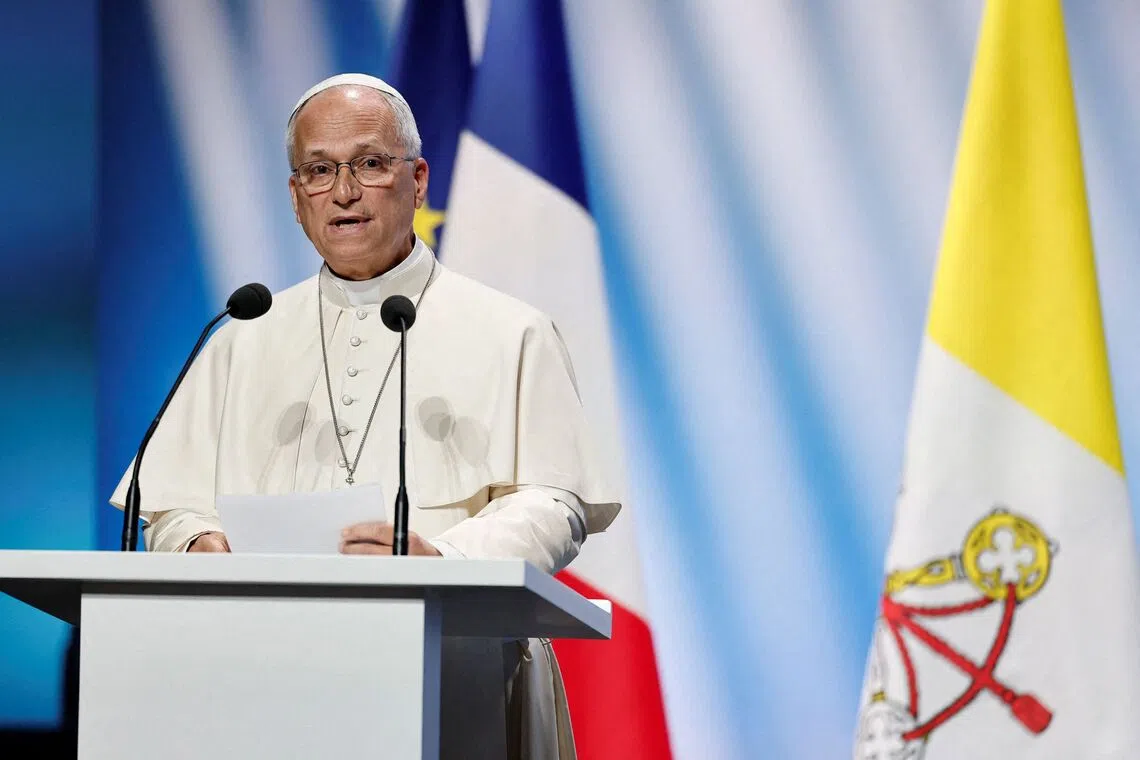
- Core Development: During a speech in Metz, Pope Leo XIV called for negotiated compromises to end the war in Ukraine and criticized surging European defence budgets.
- Beat Context: Categorized under World with independent corroboration.
- Reporting Depth: 3 minute analytical read synthesized from verified newsroom sources.
On Monday, 28 September 2026, Pope Leo XIV stood in the French city of Metz and urged European leaders to make concessions if a lasting peace in Europe is to be achieved. The first U.S.-born pontiff, who has taken an active diplomatic stance, warned that war has returned to the continent and that the current spiral of military spending offers no solution.
Metz, the birthplace of Robert Schuman, a founding father of the European Union, provided a symbolic backdrop for the pope’s message. Delivered in French, the address referenced the EU’s founding values—including the rule of law and the equality of all people without distinction of race, colour, class, or profession—while refusing to name Ukraine or Russia directly. Yet the context of the ongoing conflict remained unmistakable. War has returned, even to Europe: a new senseless slaughter, claiming countless civilian lives every day,
Leo said, recalling the ongoing war that began with Russia’s full-scale invasion.
Media additions

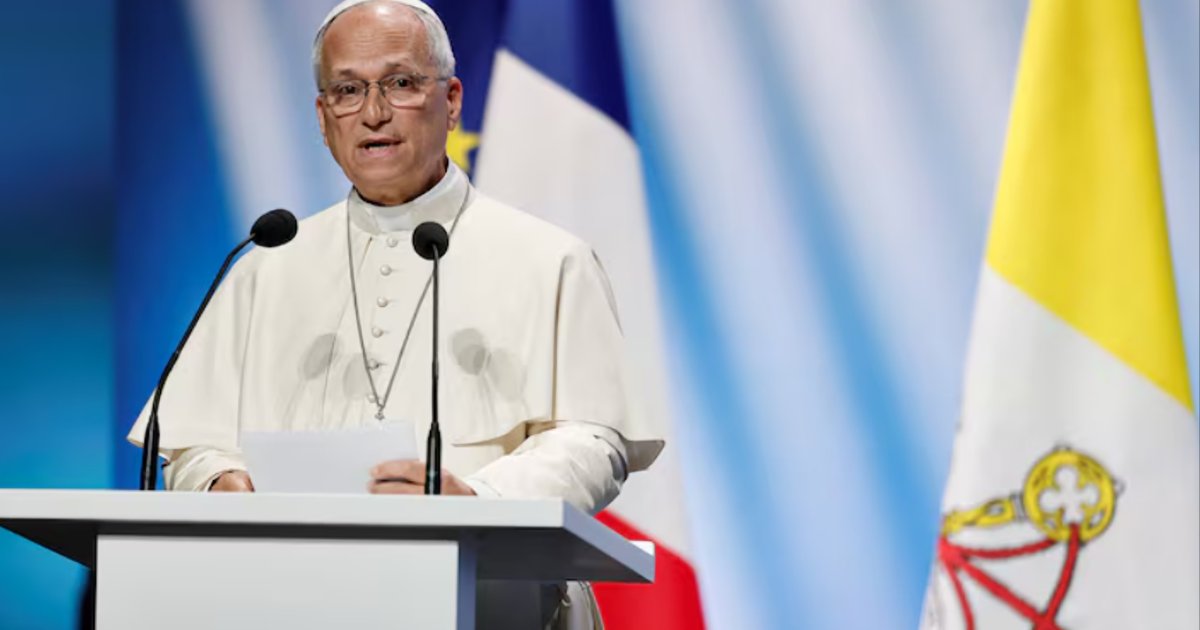
"We need... to show courage in negotiation and to be willing to give up some positions for the greater good of peace,"
Pope Leo XIV, speech in Metz, via Reuters
According to reports covering the address, the pontiff invoked a similar appeal made by Pope Benedict XV in 1917 during the First World War. Leo’s appeal for compromise arrives as diplomatic efforts to end the conflict continue to stall. Ukrainian President Volodymyr Zelenskiy met with U.S. President Donald Trump in New York to discuss ways to end the war, which has seized a fifth of Ukraine. According to reporting from Reuters, neither side has shown any willingness to concede land.
The Vatican’s diplomatic corps has similarly sought to bridge divides. Earlier in the year, the Holy See sent Archbishop Paul Gallagher to Moscow to meet with officials including Russian Foreign Minister Sergey Lavrov, and additional Vatican envoys have scheduled visits to Russia.
Alongside his call for negotiations, Leo criticised rising European military spending, which grew last year by the highest amount since the end of the Cold War. This growth has been driven by pressure from U.S. President Donald Trump and Russian assertiveness. We must also guard against the illusion that rearmament is the answer,
Leo warned, questioning whether nations are genuinely making creative efforts to advance world peace or merely preparing for future wars.
In the same address, the pope turned to the treatment of migrants, urging European leaders to integrate newcomers as if they were family members and calling for legal, safe pathways alongside cooperation against human trafficking. His remarks coincided with the deaths of three migrants, including a child, who perished attempting to cross the English Channel from France to Britain hours before the speech. The papal address received a standing ovation from the audience, resonating as far-right political parties gain strength across the region.
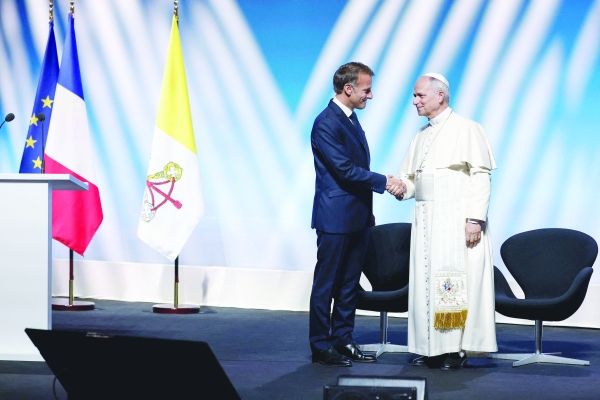
French President Emmanuel Macron, standing beside the pope, praised the European Union as a unique project founded on peace and equality, highlighting Europe's Greco-Roman and Judeo-Christian foundations in establishing the primacy of the person and the free, rational individual.
How significant is this development?
Contribute your assessment to the aggregated reader sentiment ledger.
Frequently Asked Questions
Key questions answered in this reportWhat is the key development in: Pope Leo urges concessions for peace as Ukraine war drags on?
During a speech in Metz, Pope Leo XIV called for negotiated compromises to end the war in Ukraine and criticized surging European defence budgets.
Why is this World development significant for the UK?
This report covers critical events in our World beat. Independent reporting monitors related UK statements, regulatory shifts, and public responses as further verified details emerge.
How was this reporting corroborated and verified?
Newsarchy UK compiles and cross-references reporting from primary reporting from straitstimes.com and cross-checked wire reports. All coverage adheres to published editorial standards.
When was this report published?
This briefing was published on September 28, 2026 and is permanently cataloged in the Newsarchy UK World archives.
-1790600276536.webp)