John Healey forced into U-turn after claiming welfare bill would fall
Chancellor John Healey performed a swift U-turn after suggesting the government's welfare bill would fall before the next general election.

- Core Development: Chancellor John Healey performed a swift U-turn after suggesting the government's welfare bill would fall before the next general election.
- Beat Context: Categorized under Politics with independent corroboration.
- Reporting Depth: 3 minute analytical read synthesized from verified newsroom sources.
John Healey faced severe political fallout after performing a rapid reversal over government welfare spending plans, following a post-Budget broadcast in which he suggested the benefits bill would fall before the next general election. The controversy unfolded on Thursday, 30 October 2026, when the Chancellor appeared on the BBC Radio 4 Today programme and indicated there would be a reduction in the benefits bill delivered in a Labour way
. Within hours, Whitehall officials moved to distance Downing Street from the remarks. Treasury insiders subsequently contacted broadcasters to argue that the exchange had been overinterpreted, and Downing Street stated that the government had never set an arbitrary target or timetable for curbing welfare expenditure.
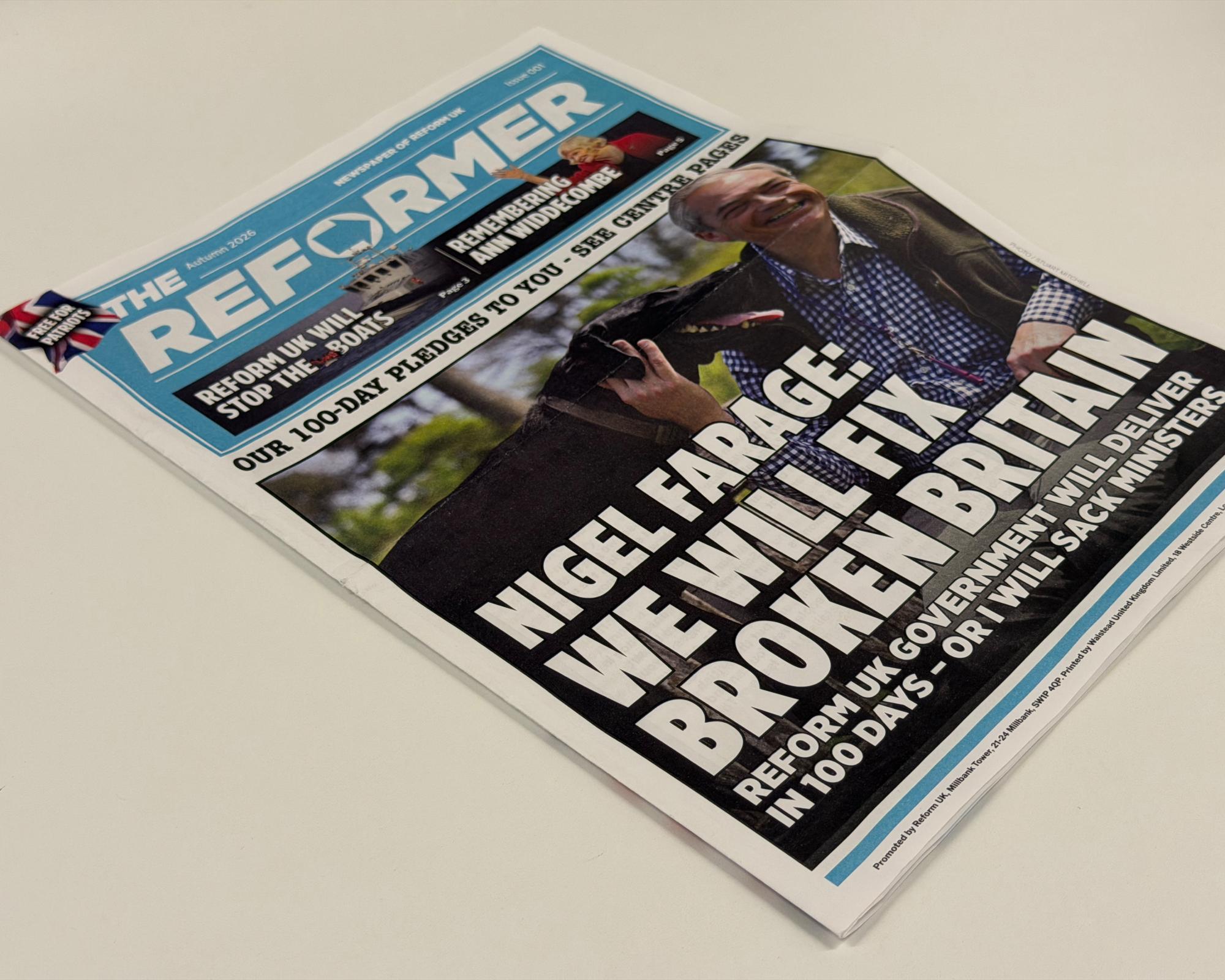
By Thursday evening, the Chancellor executed a complete climbdown during an interview with Channel 4 News. He conceded that it was not correct to say the government was going to bring the welfare bill down within the current parliamentary term because no such timetable had been established. The about-face drew fierce criticism from opposition figures. Tory leader Kemi Badenoch described the chaotic sequence as astounding given mounting fiscal pressures, telling the Daily Mail that Labour is addicted to benefits and pointing out that costs are forecast to rise significantly. Reform's Treasury spokesman Robert Jenrick also criticized the Chancellor, arguing that the episode demonstrated the party's underlying approach to welfare spending.
Media additions


According to forecasts from the Office for Budget Responsibility published alongside the Budget, total welfare spending is projected to climb from £353 billion to reach £431 billion by the end of the forecast period. The watchdog warned that spending covered by the government's welfare cap is on course to breach its limit by nearly £3 billion by 2029, driven primarily by swelling caseloads in sickness and disability support. Independent analysis from the Institute for Fiscal Studies highlighted that Britain faces an unprecedented squeeze on incomes alongside wider fiscal constraints, noting that household disposable income growth across the decade will remain exceptionally weak.
| Welfare and Fiscal Metric | Current Figure | Projected Future Figure |
|---|---|---|
| Total Welfare Spending | £353 billion | £431 billion (by 2031-32) |
| Welfare Cap Limit (2029) | £204.2 billion | £207 billion (OBR forecast) |
| Incapacity Benefits Caseload | 2.5 million (2019-20) | 3.7 million (2025-26) |
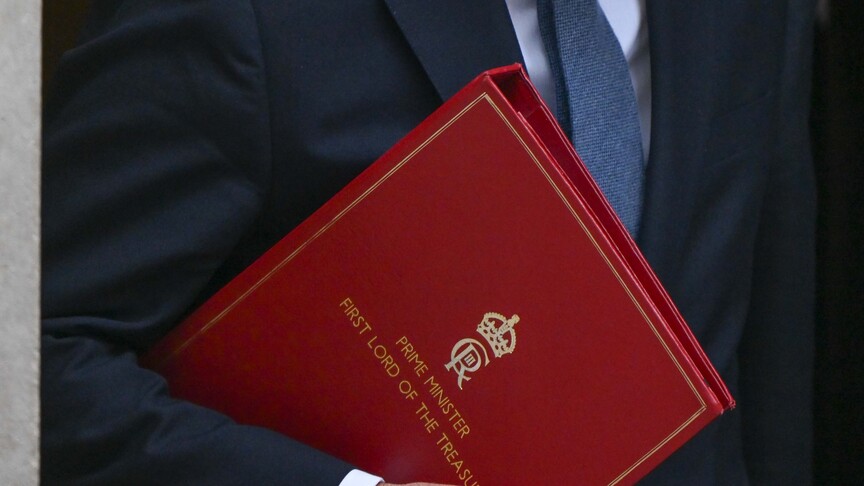
Prime Minister Andy Burnham defended the administration's approach during a visit to a factory in the East Midlands on Thursday, 30 October 2026. He emphasized that ministers want to get the welfare bill down as quickly as possible while rejecting crude cuts that would leave vulnerable individuals in crisis. The government's strategy hinges on structural reforms aimed at re-engaging claimants through employment support rather than immediate fiscal reductions. Independent experts from the Institute for Fiscal Studies noted that while investment in employment support could eventually yield results, such initiatives typically require upfront spending and take several years to generate guaranteed savings.
Attention now turns to upcoming legislative and policy milestones. Two major reports are scheduled for release next month: Alan Milburn’s comprehensive review focused on young people not in employment, education, or training, and Sir Stephen Timms's evaluation of the personal independence payments system. Ministers plan to respond to these findings with a White Paper early next year, followed by formal parliamentary legislation designed to reshape the welfare architecture over the long term.
How significant is this development?
Contribute your assessment to the aggregated reader sentiment ledger.
Frequently Asked Questions
Key questions answered in this reportWhat is the key development in: John Healey forced into U-turn after claiming welfare bill would fall?
Chancellor John Healey performed a swift U-turn after suggesting the government's welfare bill would fall before the next general election.
Why is this Politics development significant for the UK?
This report covers critical events in our Politics beat. Independent reporting monitors related UK statements, regulatory shifts, and public responses as further verified details emerge.
How was this reporting corroborated and verified?
Newsarchy UK compiles and cross-references reporting from primary reporting from inews.co.uk and cross-checked wire reports. All coverage adheres to published editorial standards.
When was this report published?
This briefing was published on October 30, 2026 and is permanently cataloged in the Newsarchy UK Politics archives.