UK Budget 2026: Gas Standing Charge Scrapped and £100 Winter Payment for 20 Million Homes
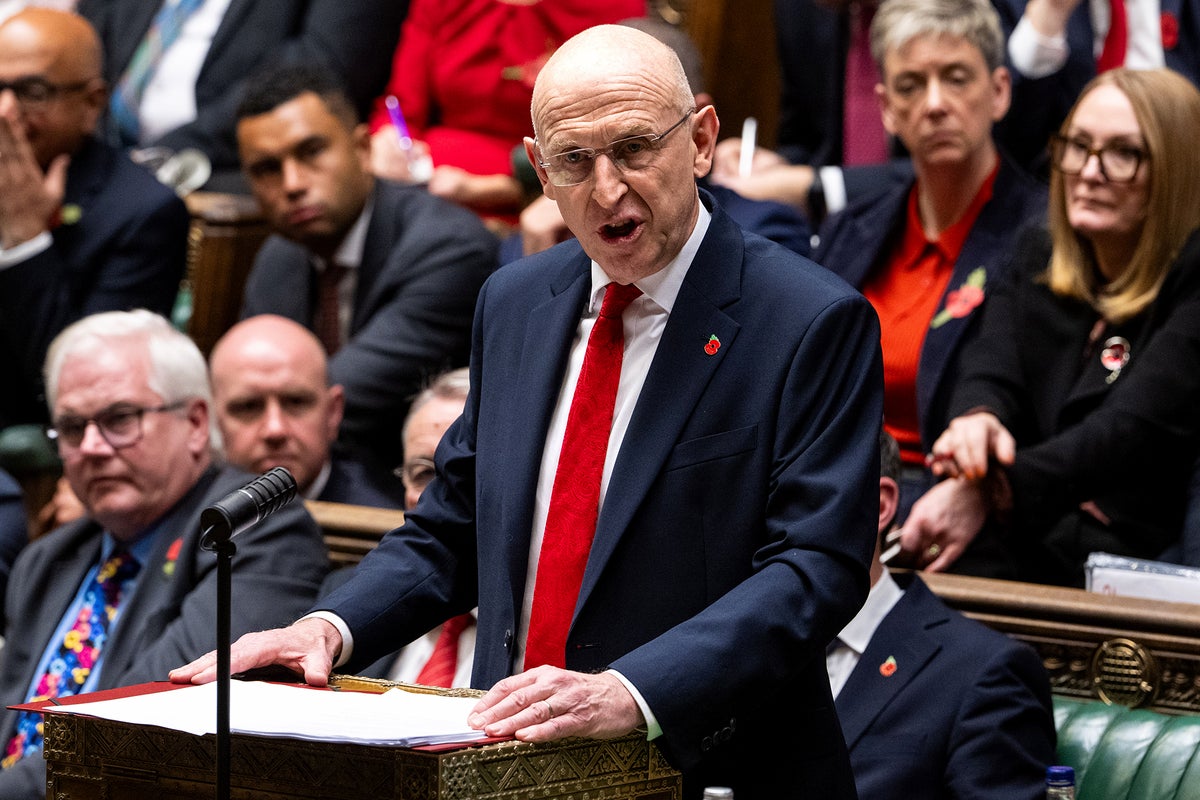
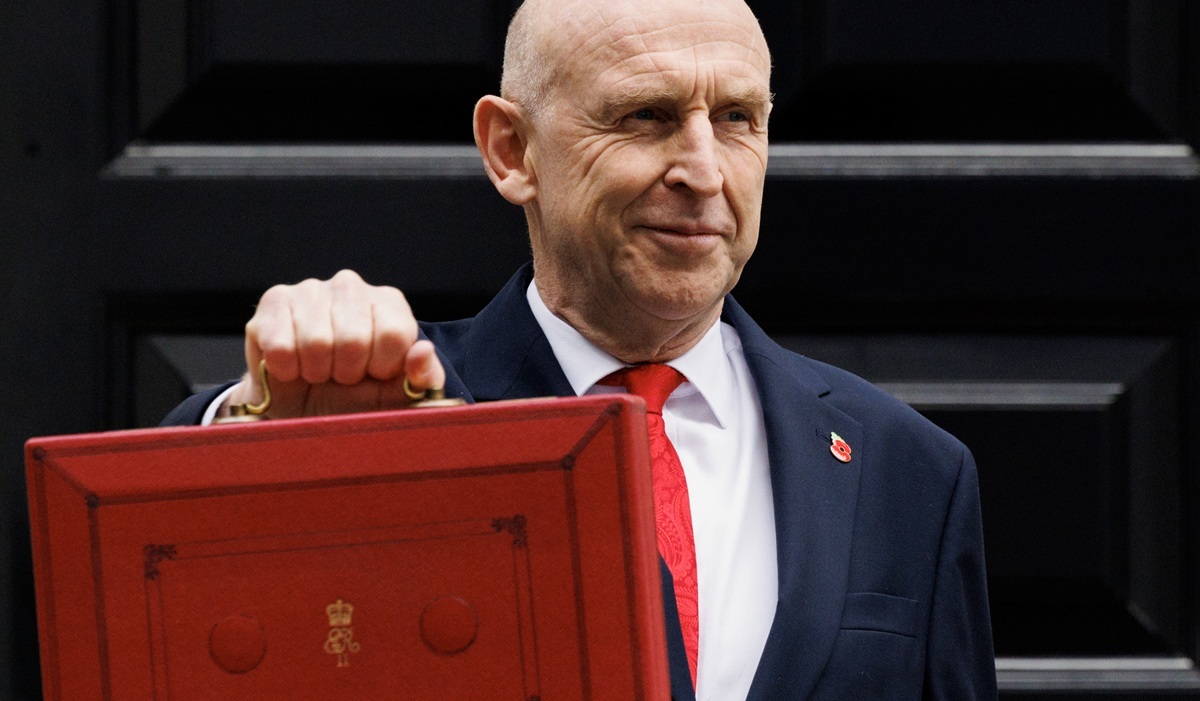
Chancellor John Healey delivered his first Budget, announcing the removal of the gas standing charge and £100 winter energy payments for millions of households.

- Core Development: Chancellor John Healey delivered his first Budget, announcing the removal of the gas standing charge and £100 winter energy payments for millions of households.
- Beat Context: Categorized under Cost of Living with independent corroboration.
- Reporting Depth: 4 minute analytical read synthesized from verified newsroom sources.
Households across the United Kingdom face sweeping changes to household energy bills, taxation, and state support after Chancellor John Healey delivered his first Budget on Wednesday, 28 October 2026. The announcements arrive as inflation has climbed to 3.5 percent, driven by oil and gas price shocks stemming from conflict in the Middle East and disrupted shipping through the Strait of Hormuz, according to Beaveronline. Prime Minister Andy Burnham’s administration framed the package as vital relief for working people following years of economic stagnation, though economists and business leaders remain divided over whether the measures match the scale of the ongoing cost-of-living crisis.
At the center of the household support package is a £2.6 billion Treasury scheme providing a direct £100 energy payment to approximately 20 million homes in council tax bands A to D, as reported by Beaveronline. Funded by a temporary increase in the bank profit surcharge—which doubles to 6%—the money will be paid directly into bank accounts starting in January 2027 to help families through the coldest months.
Media additions

In a structural overhaul of domestic utility billing, the daily gas standing charge will be removed from bills starting next year. The fixed fee currently adds about £108 a year to a typical household's costs regardless of consumption. Wealth manager St James’s Place estimated that removing the charge will leave about three in five households better off by roughly £45 a year on average, though heavier users may see costs shift into the unit price. Parallel to this, the government extended the temporary VAT cut on electricity bills until July, an extension that the Chancellor claimed will take £50 off the annual energy price cap, according to Newscord.
| Energy and Fuel Measure | Details | Duration / Timeline |
|---|---|---|
| Winter Energy Payment | £100 direct payment to homes in council tax bands A to D | Paid from January 2027 |
| Gas Standing Charge | Abolished for household gas bills | Removed from next year |
| Electricity VAT Cut | Extended to lower the annual energy price cap by £50 | Extended until July 2027 |
| Fuel Duty Rate | Maintained at 52.95p per litre via extended 5p temporary cut | Extended until July 2027 |
Motorists also secured relief as Chancellor John Healey extended the 5p-per-litre fuel duty cut and maintained the total duty rate at 52.95p per litre through July 2027, as detailed by Newscord. Healey defended the extension by stating that war in the Middle East continues to drive high fuel prices. Opposition leader Kemi Badenoch expressed support for the temporary freeze while questioning why it could not be maintained longer, and motoring groups argued the freeze merely delays a future price shock.
The wider economic backdrop remains challenging. The Office for Budget Responsibility (OBR) forecast no growth in real earnings next year, while sharply downgrading its growth forecast for 2027 to 1 percent, according to reporting by Al Jazeera. James Meadway, an economist with the left-wing think tank Verdant, criticized the package, telling Al Jazeera that the measures do not approach the scale of the cost-of-living problems facing households.
Business reaction across the UK was mixed. Meanwhile, savers received a boost as the government reversed a previously planned reduction to the annual cash ISA allowance, keeping the limit at £20,000 instead of cutting it to £12,000.
What to Watch Next
- January 2027: The £100 winter energy payments begin arriving in bank accounts for eligible households in council tax bands A to D in England.
- Early 2027: Secondary legislation will be introduced to implement VAT relief on land for social housing ahead of its 1 April 2027 effective date.
- April 2027: The National Minimum Wage and National Living Wage increase takes effect alongside the British Industrial Competitiveness Scheme going live for 10,000 industrial firms.
- July 2027: The extended temporary 5p fuel duty cut and the extended electricity VAT cut are currently scheduled to expire.
For further ongoing updates on household finances, visit our dedicated Cost of Living coverage or review related analysis on frozen tax thresholds, the winter energy payment announcement, and John Healey's budget measures.
How significant is this development?
Contribute your assessment to the aggregated reader sentiment ledger.
Frequently Asked Questions
Key questions answered in this reportWhat is the key development in: UK Budget 2026: Gas Standing Charge Scrapped and £100 Winter Payment for 20 Million Homes?
Chancellor John Healey delivered his first Budget, announcing the removal of the gas standing charge and £100 winter energy payments for millions of households.
Why is this Cost of Living development significant for the UK?
This report covers critical events in our Cost of Living beat. Independent reporting monitors related UK statements, regulatory shifts, and public responses as further verified details emerge.
How was this reporting corroborated and verified?
Newsarchy UK compiles and cross-references reporting from primary reporting from Inside Housing and cross-checked wire reports. All coverage adheres to published editorial standards.
When was this report published?
This briefing was published on October 30, 2026 and is permanently cataloged in the Newsarchy UK Cost of Living archives.