Many Labour MPs are blaming Starmer himself for elections body blow
Pressure is mounting rapidly on the Labour leadership as restless parliamentarians and dissenting factions weigh the future of the administration following poor election results.
Following a disastrous run of local and regional election results, pressure is mounting rapidly on the Labour leadership as restless parliamentarians and dissenting factions weigh the future of the administration, according to reporting by the BBC.
Surveying the fallout from a volatile day at the ballot boxes, the number of Labour MPs speaking out publicly to demand that Sir Keir Starmer step down or attach a fixed sell-by date to his tenure crossed a notable threshold. Discontent has crystallised around the prime minister himself, with critics inside the parliamentary party arguing that his personal brand has become toxic to crucial cohorts of voters. One parliamentarian told the BBC that the overriding sentiment on the doorstep pointed directly to the leadership, warning that contesting a future general election under the same figurehead would spell disaster for the party.
Another typically loyal representative whose constituency swung heavily toward Reform UK noted that voters did not necessarily harbour a deep hatred for the broader party, but directed their frustrations squarely at the top. A senior party figure in Wales echoed this sentiment, observing that local sentiment lays the blame entirely at the door of Downing Street, as reported by the BBC.
The political shockwaves extended across the UK map. In Camden, the local Labour leader lost a council seat to the Greens despite the party retaining overall control. Meanwhile, Conservative leader Kemi Badenoch saw her backyard in Essex fall to Reform, and in Kirklees, Westminster's three biggest parties all lost their local council leaders on the same night. Historic strongholds tumbled elsewhere, with Barnsley Council losing its long-serving leader and Wales seeing its decades-long electoral dominance broken.
Cabinet ministers have mounted a visible rearguard defence, flooding broadcast studios and social media channels to signal loyalty and insist that the government must press ahead collectively rather than scapegoat the leader. Business Secretary Peter Kyle argued that reversing the electoral slide requires a joint effort rather than simply blaming the boss, according to the BBC.
Yet anxieties remain palpable within government ranks. Former cabinet minister Louise Haigh argued that the immediate moment was unsuited to a messy internal leadership contest, praising the administration's foreign policy stance while warning that tangible change is essential if the prime minister is to lead the party into the next national poll. Her colleague Sarah Owen reinforced this warning, suggesting that the leadership must deliver visible transformations or step aside.
Beneath the surface of these public interventions lies a concerted campaign by members of the soft-left Tribune group, who are attempting to force a timetable for departure. This strategy is closely tied to the political ambitions of Greater Manchester mayor Andy Burnham, who cannot mount a leadership challenge from outside the House of Commons. Burnham was previously barred from standing when he attempted to return as an MP, and members of Labour's National Executive Committee have indicated they remain prepared to block his candidacy once again. Backers of the mayor have warned that any renewed block would trigger a mutinous mood within the Parliamentary Labour Party.
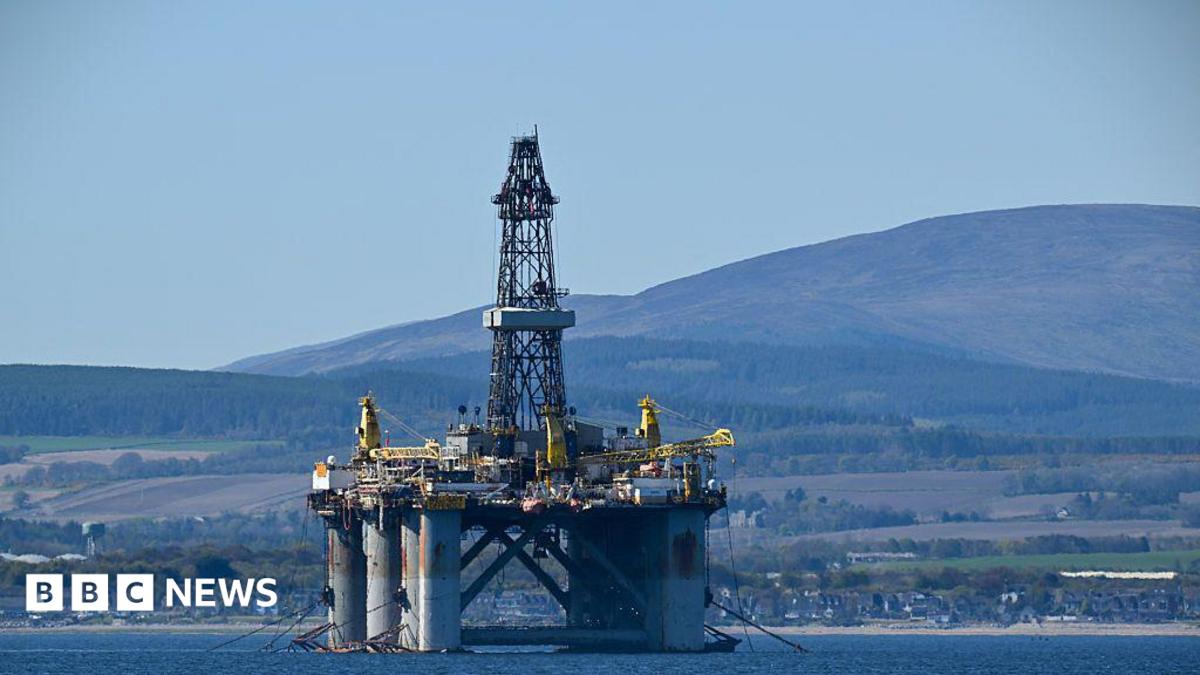
The wider policy dilemmas facing the administration are further complicated by high-stakes international friction and domestic energy debates, as detailed by the BBC. Prime Minister Andy Burnham recently informed US President Donald Trump that he would adopt a pragmatic approach regarding North Sea oil and gas development, prompting praise from the White House and sharp criticism from environmental campaigners. Green Party leader Zack Polanski condemned any move to open up fossil fuel extraction amid worsening climate impacts, while industry coalitions pointed out that global market pricing means domestic extraction offers no guaranteed discount for struggling households.
The ongoing energy dilemma centres heavily on contested extraction sites and fiscal policy instruments:
| Policy Area | Key Elements | Stakeholder Positions |
|---|---|---|
| North Sea Drilling | Future of fields like Rosebank and Jackdaw following overturned regulatory approvals. | Tories and Reform push for increased output to lower prices; Greens and climate advocates warn against fossil fuel expansion. |
| Energy Profits Levy | Windfall tax on energy producers scheduled for structural replacement. | Operators prefer planned reforms that tie tax triggers directly to high commodity prices. |
As the administration navigates these competing pressures, caution remains the watchword among MPs who fear that an abrupt leadership vacuum would simply hand power to a successor inheriting an impatient and ungovernable electorate. For more background on these internal fractures, explore our dedicated Politics coverage.
What to watch next
- The reception of the upcoming legislative programme and major speech planned by the leadership.
- Further developments regarding potential challenges to candidate blocking rules within the National Executive Committee.
- Decisions from the government regarding pending legal and regulatory determinations on North Sea energy projects.