Liz Truss Defends Mini-Budget After Chancellor John Healey Blames Economic Stagnation
Liz Truss has hit back at Chancellor John Healey after he blamed the legacy of her administration for persistent economic stagnation and high borrowing costs.
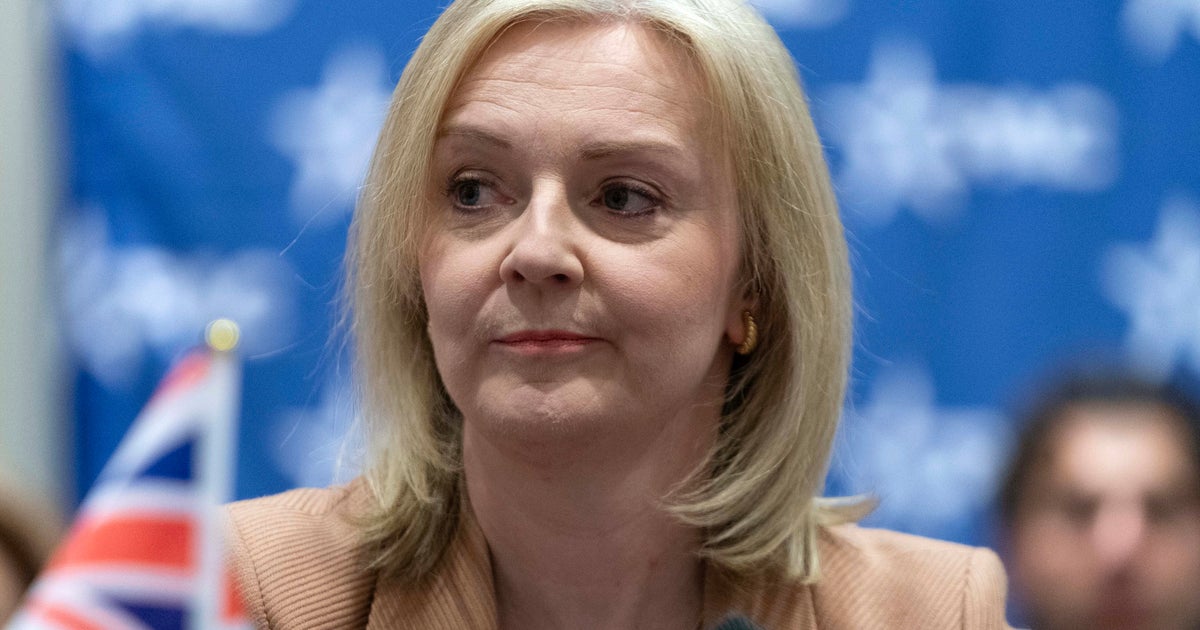
- Core Development: Liz Truss has hit back at Chancellor John Healey after he blamed the legacy of her administration for persistent economic stagnation and high borrowing costs.
- Beat Context: Categorized under Politics with independent corroboration.
- Reporting Depth: 3 minute analytical read synthesized from verified newsroom sources.
Former prime minister Liz Truss has mounted a furious defence of her tenure on social media, firing back after Chancellor John Healey blamed her administration for persistent economic stagnation in the UK. The fiery exchange underscores deep political divisions over the state of public finances as Westminster prepares for a crucial fiscal statement, with officials warning of high borrowing costs and mounting national debt.
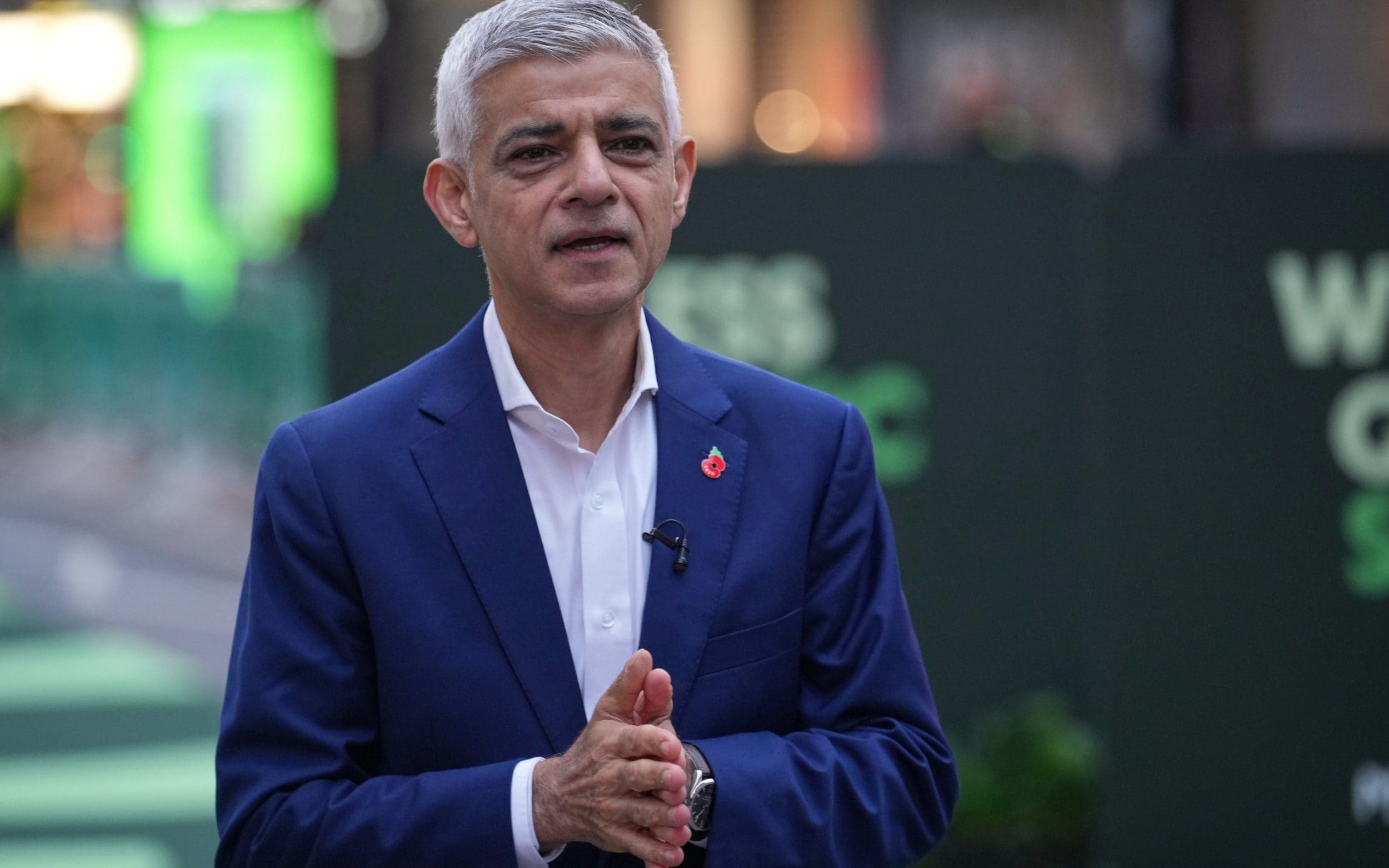
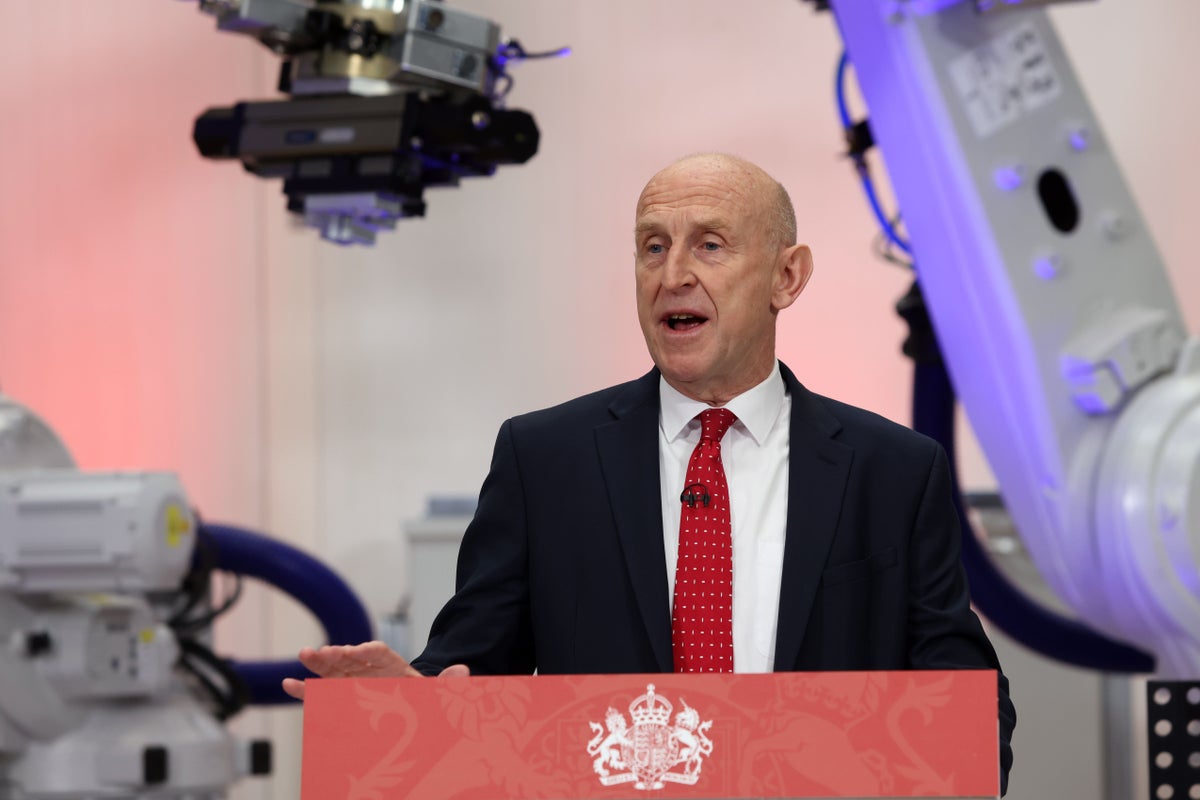
The political clash erupted after Healey used his first major speech as chancellor, delivered in Coventry, to outline his vision for the economy. Healey told an audience of business leaders that the UK has been paying what he termed the Truss penalty
ever since the controversial 2022 mini-Budget rattled global markets. According to the chancellor, national debt has risen significantly from previous baselines, pushed upward by a combination of historical austerity under David Cameron, the impact of Brexit on goods exports under Boris Johnson, and post-Covid unfunded spending.
Media additions

Truss dismissed the criticism entirely. Writing on X, she retorted:
Her brief premiership ended when panicked MPs forced her from office after her £45 billion package of unfunded tax cuts sent the pound into a sharp decline and required intervention from the Bank of England."The penalty is a result of NOT following my policies."
Liz Truss, Former Prime Minister, via HuffPost UK
Healey insisted that the government must remain honest about controlling public spending, noting that debt interest consumes a vast share of national resources.
Healey emphasised that balancing the books with a fiscal buffer remains a top priority to reassure nervous bond markets."If debt interest were a department, it would be the second biggest in Whitehall after health,"
John Healey, Chancellor, via HuffPost UK
Against this tense backdrop, political reactions to the economic strategy varied sharply across party lines, as detailed below:
| Politician / Spokesperson | Party / Role | Key Position or Response |
|---|---|---|
| John Healey | Labour (Chancellor) | Blamed Tory policies, including the Truss mini-budget, for high debt; refused to rule out tax rises at the upcoming Budget. |
| Liz Truss | Conservative (Former Prime Minister) | Defended her record on social media, arguing that current economic difficulties stem from not following her policies. |
| Andrew Griffith | Conservative (Shadow Chancellor) | Dismissed Healey as sounding like continuity Rachel Reeves, claiming Labour has damaged business and family finances. |
| Daisy Cooper | Liberal Democrats (Treasury Spokesperson) | Accused the government of saddling businesses with extra costs through a growth-crushing jobs tax. |
| Robert Jenrick | Reform UK (Treasury Spokesperson) | Labelled the chancellor's speech dreary and ineffective on the same day thousands of job losses were confirmed at Jaguar Land Rover. |
In his speech, Healey also pledged to support growth by tackling regulatory burdens, planning constraints, and labour costs. He announced that The British Business Bank would provide £150 million for fast-growing regional firms alongside a new Northern 500 initiative led by regional mayors. Furthermore, the government intends to extend judicial review reforms across major infrastructure projects to prevent litigation from blocking economic development.
The timing of the chancellor's address coincided with challenging news for the manufacturing sector, as car giant Jaguar Land Rover confirmed significant job losses. Opposition figures seized on the announcement, with Reform UK Treasury spokesman Robert Jenrick arguing that the speech would change nothing for workers facing redundancy.
As the debate over fiscal sustainability intensifies, attention now turns to the upcoming Budget, where the chancellor faces critical decisions on taxation, public spending controls, and the future of welfare commitments.
How significant is this development?
Contribute your assessment to the aggregated reader sentiment ledger.
Frequently Asked Questions
Key questions answered in this reportWhat is the key development in: Liz Truss Defends Mini-Budget After Chancellor John Healey Blames Economic Stagnation?
Liz Truss has hit back at Chancellor John Healey after he blamed the legacy of her administration for persistent economic stagnation and high borrowing costs.
Why is this Politics development significant for the UK?
This report covers critical events in our Politics beat. Independent reporting monitors related UK statements, regulatory shifts, and public responses as further verified details emerge.
How was this reporting corroborated and verified?
Newsarchy UK compiles and cross-references reporting from primary reporting from Newswav and cross-checked wire reports. All coverage adheres to published editorial standards.
When was this report published?
This briefing was published on September 7, 2026 and is permanently cataloged in the Newsarchy UK Politics archives.