Malaysian police arrest 335 in raids on scam hubs inside Forest City
Malaysian authorities arrested 335 individuals in mid-July raids targeting sophisticated scam hubs operating inside semi-abandoned towers in Forest City.
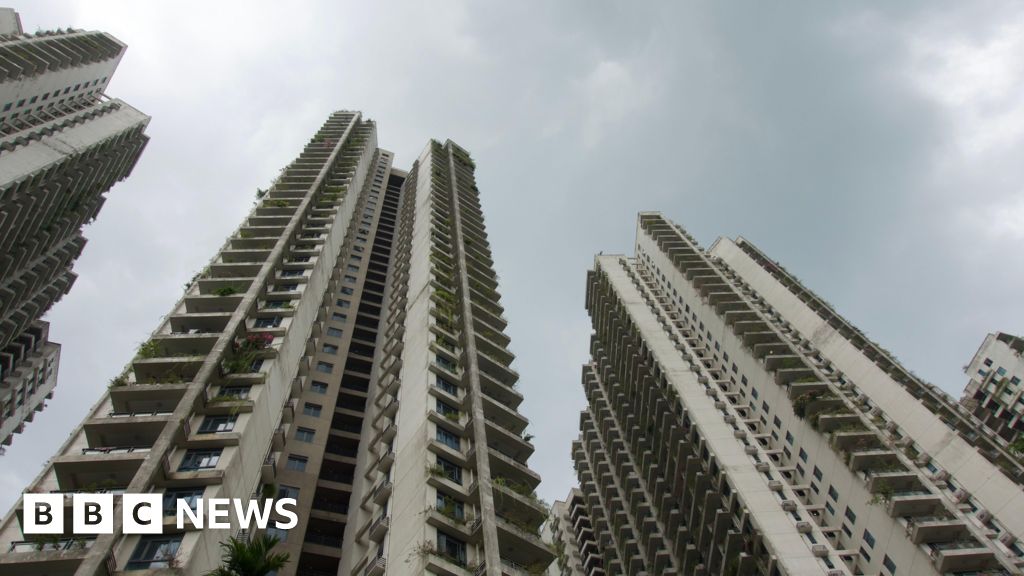
- Core Development: Malaysian authorities arrested 335 individuals in mid-July raids targeting sophisticated scam hubs operating inside semi-abandoned towers in Forest City.
- Beat Context: Categorized under World with independent corroboration.
- Reporting Depth: 3 minute analytical read synthesized from verified newsroom sources.
Malaysian police have arrested 335 individuals in a sweeping mid-July raid targeting sophisticated cryptocurrency investment and love-scam call centers embedded inside residential towers and bungalows in Forest City. The operation, spanning 32 separate premises on the artificial island, marks a major development in cracking down on transnational syndicates that have increasingly utilized semi-abandoned real estate developments as covert operating bases, according to local authorities.
According to BBC reporting on Forest City, the suspects apprehended in the Johor state raids include 309 Chinese nationals, 19 Indonesians, three Malaysians, and four Myanmar nationals. Law enforcement officials seized assets valued at approximately one million ringgit alongside extensive hardware, including 313 computers, 1,557 mobile phones, 17 laptops, and 10 modems. Johor police chief Ab Rahaman Arsad stated that authorities are actively working with Interpol to track down the mastermind behind the criminal network. The syndicates operated out of two primary hubs: one occupying 27 apartments across five storeys of a residential tower, and another spread across five bungalows.
Media additions


Experts and local observers highlight that these white-collar operations represent a dangerous evolution in global financial crime. John Wojcik, an analyst at TRM Labs, explained that modern scam syndicates increasingly resemble multinational corporations equipped with dedicated recruitment teams, IT departments, and money-laundering specialists. Investigators and authorities agree that these hubs were likely staffed by criminals driven out of Cambodia, where intensifying government crackdowns forced an estimated 300,000 individuals to flee industrial-scale trafficking compounds over preceding months.
Unlike the heavily walled, notorious compounds found in places like Sihanoukville or the Myanmar borderlands, the Forest City operations blended smoothly into residential blocks. Tenants and property sales workers reported that the complex's notoriety as a semi-abandoned ghost town served as an ideal Trojan horse. Originally unveiled by Chinese developers as a $100bn mega-project intended to house 700,000 residents across a 14-sq-km artificial island, the project stalled due to China's property slump and pandemic headwinds, leaving vast numbers of vacant properties that allowed syndicates to operate undetected.
| Operation Metric | Reported Figure |
|---|---|
| Total arrests | 335 suspects |
| Premises raided | 32 locations |
| Seized assets value | ~1 million ringgit |
| Mobile phones seized | 1,557 units |
| Computers seized | 313 units |
The discovery in Forest City underscores broader patterns of transnational crime shifting into vulnerable developments across the region, echoing similar crackdowns documented across Southeast Asian scam hubs. While local residents expressed little surprise given the open-secret nature of the activity, security analysts warn that the large-scale re-emergence of these networks in Malaysia demands constant vigilance from law enforcement agencies.
What to Watch Next
- Ongoing Interpol investigations to identify and extradite the primary syndicate mastermind.
- Potential follow-up raids by Johor police as authorities investigate other vacant condominiums and serviced apartments in the region.
- Broader regional policy responses as governments across Southeast Asia coordinate to prevent displaced scam operations from establishing new roots in unfinished smart cities.
For more regional updates, consult our World coverage section.
How significant is this development?
Contribute your assessment to the aggregated reader sentiment ledger.
Frequently Asked Questions
Key questions answered in this reportWhat is the key development in: Malaysian police arrest 335 in raids on scam hubs inside Forest City?
Malaysian authorities arrested 335 individuals in mid-July raids targeting sophisticated scam hubs operating inside semi-abandoned towers in Forest City.
Why is this World development significant for the UK?
This report covers critical events in our World beat. Independent reporting monitors related UK statements, regulatory shifts, and public responses as further verified details emerge.
How was this reporting corroborated and verified?
Newsarchy UK compiles and cross-references reporting from primary reporting from The New Yorker and cross-checked wire reports. All coverage adheres to published editorial standards.
When was this report published?
This briefing was published on September 7, 2026 and is permanently cataloged in the Newsarchy UK World archives.