UK Government rejects Holyrood abolition referendum petition
The UK Government rejected a petition signed by nearly 17,500 people demanding a referendum on dismantling devolution in Scotland.

- Core Development: The UK Government rejected a petition signed by nearly 17,500 people demanding a referendum on dismantling devolution in Scotland.
- Beat Context: Categorized under Politics with independent corroboration.
- Reporting Depth: 4 minute analytical read synthesized from verified newsroom sources.
The UK Government has formally rejected a public petition calling for the abolition of the Scottish Parliament and Scottish Government, as political tensions over the constitutional future of the union intensified across devolved administrations, according to reports from the Scottish Daily Express.
The petition was initiated by retired Dumfriesshire midwife Georgina Sparrow. It crossed the threshold requiring a formal response after gathering nearly 17,500 signatures. Ms Sparrow argued in the submission that Holyrood has ceased to represent the views of the electorate fairly, pointing to election results where nationalist parties secured a majority of seats despite winning a minority of overall votes cast. Under parliamentary rules, any petition reaching 100,000 signatures forces Westminster to consider holding a debate on the subject.
Media additions

Responding on behalf of the administration, the Scotland Office stated that the Labour government remains clear in its respect for devolution and has no intention of introducing legislation to abolish the Scottish Parliament. However, the official response also used the opportunity to press First Minister John Swinney to abandon his constitutional wrangling ahead of the SNP conference. The government urged Edinburgh ministers to concentrate on utilising existing devolved powers to improve public services such as the NHS and local transport networks.
At the same time, Prime Minister Andy Burnham is pushing for further decentralisation of power away from Holyrood to empower local leaders across Scottish regional economies, mirroring the metro mayor model established in England, as detailed by the Scottish Daily Express. Shadow secretary of state for Scotland Harriet Cross criticised the Nationalist agenda, describing it as a distraction from pressing domestic challenges in education and the economy.
The rejection of the anti-devolution petition coincided with a historic summit in Cardiff, where the First Ministers of Scotland, Wales, and Northern Ireland united to sign a joint Memorandum of Understanding alongside Sinn Féin president Mary Lou McDonald, reported The Herald. Scottish First Minister John Swinney described the meeting as a pivotal moment, declaring that Westminster's time is coming to an end and asserting that an independence referendum must be held during the current parliamentary term. Welsh First Minister Rhun ap Iorwerth emphasised that the pact focused on self-determination and building up Wales rather than fracturing cultural relationships across the islands. Northern Ireland First Minister Michelle O'Neill and Ms McDonald similarly argued that future constitutional votes are inevitable and urged Whitehall to begin preparations.
The summit followed a brief political storm in Westminster, after Prime Minister Andy Burnham appeared to suggest during Prime Minister's Questions that Scotland could hold an independence vote upon achieving a clear consensus, similar to arrangements in Northern Ireland. Although the comments stunned backbenchers and were quickly rowed back the following day with assurances that a referendum remains off limits, Nationalist leaders seized upon the remarks as evidence of shifting momentum.
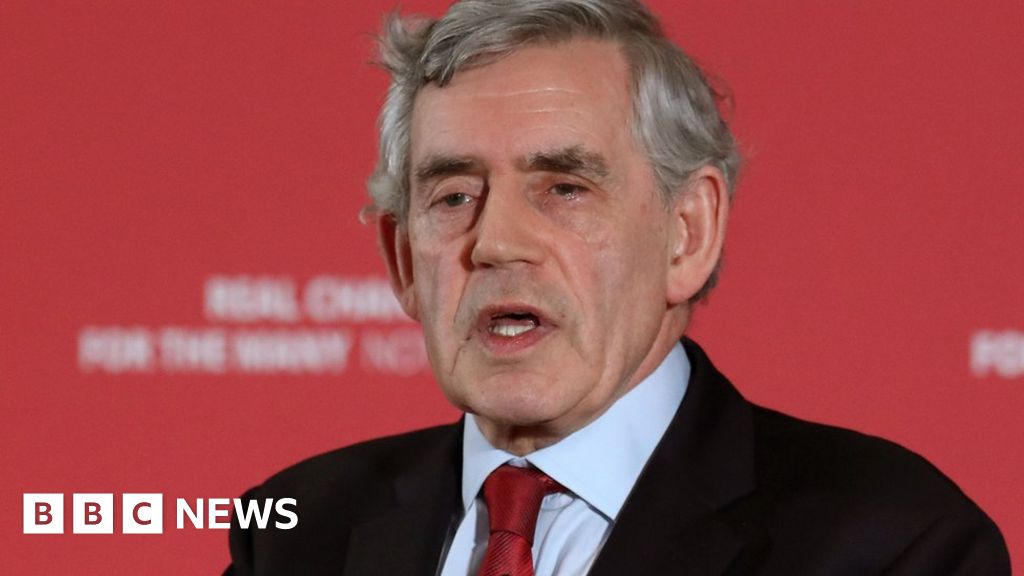
Adding to the wider debate on the structure of the UK, former Prime Minister Gordon Brown warned via the BBC that public trust in how the country is governed has broken down significantly. Mr Brown argued that the pandemic exposed simmering tensions between Whitehall and the regions, which often feel invisible to central government, and urged a comprehensive review of power-sharing arrangements to prevent the UK from fracturing.
| Entity / Leader | Stance on Devolution & Union | Proposed Next Steps |
|---|---|---|
| UK Government (Andy Burnham / Douglas Alexander) | Supports devolution and decentralisation of local powers; rejects abolition and independence referendums. | Focus on economic growth, public service delivery, and regional metro-style powers. |
| Scottish Government (John Swinney) | Committed to Scottish independence; seeks a democratic referendum during the current parliamentary term. | Cooperation with other devolved nations via the Cardiff pact and continued push for self-determination. |
| Welsh Government (Rhun ap Iorwerth) | Seeks self-determination tools for Wales while maintaining close cultural ties across the islands. | Working alongside devolved allies to secure greater regional powers. |
| Northern Ireland Executive (Michelle O'Neill) | Supports Irish reunification and constitutional preparation. | Advocating for inevitable future border polls in cooperation with nationalist allies. |
As the political parties prepare for their respective conferences and upcoming parliamentary sessions, the divergence between Whitehall's emphasis on economic partnership and the devolved administrations' pursuit of self-determination remains stark. The debate over the constitutional architecture of the United Kingdom continues to polarise politicians across Westminster and the devolved capitals alike.
How significant is this development?
Contribute your assessment to the aggregated reader sentiment ledger.
Frequently Asked Questions
Key questions answered in this reportWhat is the key development in: UK Government rejects Holyrood abolition referendum petition?
The UK Government rejected a petition signed by nearly 17,500 people demanding a referendum on dismantling devolution in Scotland.
Why is this Politics development significant for the UK?
This report covers critical events in our Politics beat. Independent reporting monitors related UK statements, regulatory shifts, and public responses as further verified details emerge.
How was this reporting corroborated and verified?
Newsarchy UK compiles and cross-references reporting from primary reporting from BBC and cross-checked wire reports. All coverage adheres to published editorial standards.
When was this report published?
This briefing was published on October 12, 2026 and is permanently cataloged in the Newsarchy UK Politics archives.