Westminster faces criticism as government described as a zombie parliament
Reports from Whitehall and the House of Commons suggest a hollowed-out executive branch lacking legislative ambition or central coordination. Analysts are questioning whether this institutional drift signals a decline in the post-war governing model.

- Core Development: Reports from Whitehall and the House of Commons suggest a hollowed-out executive branch lacking legislative ambition or central coordination. Analysts are questioning whether this institutional drift signals a decline in the post-war governing model.
- Beat Context: Categorized under Politics with independent corroboration.
- Reporting Depth: 3 minute analytical read synthesized from verified newsroom sources.
Westminster is currently navigating a period of profound institutional paralysis, with observers, political analysts, and officials increasingly characterising the government as a “zombie parliament.” This term reflects a growing consensus that the formal machinery of the state remains in place while its legislative ambition, authority, and capacity for effective governance have hollowed out. The result is a political environment where the machinery of government continues to move, yet lacks any clear direction or vital force.
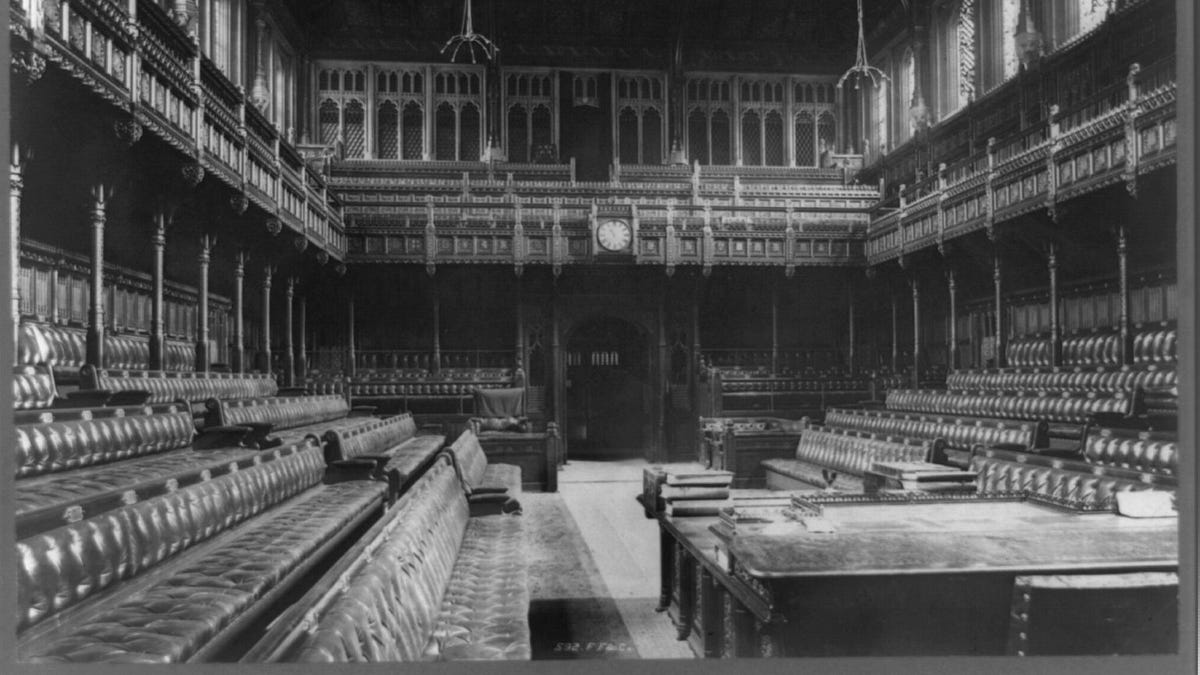
The stagnation has become increasingly visible during proceedings in the House of Commons. International visitors observing Prime Minister’s Questions have expressed confusion at the lack of energy in the chamber. With the Prime Minister absent to attend a NATO summit, Deputy Prime Minister David Lammy stood in to face scrutiny. During the session, Sir James Cleverly challenged the government over an early release scheme for prisoners, a subject that critics point to as evidence of a lack of central control. Despite this, the exchanges lacked the intensity usually associated with the chamber, leaving onlookers with the impression of a government awaiting its inevitable conclusion.
Media additions


Internal accounts from Whitehall corroborate the view that the executive branch has lost its momentum. Reports indicate that many senior staff members have effectively checked out, with a marked decline in administrative engagement and office attendance. Figures from the early transition period suggest that office occupancy dropped significantly, with nearly two-thirds of civil servants absent or working from home at the height of the administrative drift. Although attendance has fluctuated since, the coordination between government departments has largely collapsed. Aides describe a siloed environment where departments operate in isolation, hesitant to clear policy decisions through a Downing Street leadership widely perceived as having lost its mandate.
This paralysis is further compounded by the departure of key personnel. Senior aides have reportedly taken extended leave, and the churn of ministers has left remaining officials struggling to push through policy. In this vacuum, individual ministers have resorted to freelance policy interventions to establish personal legacies, often without authorisation from Downing Street. Proposals ranging from the rewriting of the British Bill of Rights to adjustments in NHS recruitment have emerged from cabinet members acting independently, further highlighting the absence of a unified governing strategy.
Commentators argue that this “zombie era” is a symptom of a broader disintegration of the post-war political settlement. For decades, the two-party system was anchored by class loyalty, regional identity, and generational party allegiance. These foundations have largely eroded. Data indicates that the combined vote share for the two main parties has experienced a long-term decline, moving from levels above 80 per cent in the mid-20th century to significantly lower figures in recent elections. This has created a political system characterized by high electoral volatility, where “everyone is a swing voter now.”
The rise of newer political movements is increasingly viewed as a response to this fractured landscape. Parties built around charismatic individuals and narrow policy focuses are gaining traction as the established parties struggle to maintain their traditional coalitions. As the political system remains in this transitional state, the core question facing Westminster is whether its existing institutions will evolve to accommodate this new reality or if the current state of paralysis will persist until a new, unpredictable order emerges.
What to watch next
- Leadership Transition: Ongoing shifts in party leadership and the potential for new cabinets to assert authority over the current administrative vacuum.
- By-election Activity: Upcoming electoral contests, including in Clacton, which are expected to serve as proving grounds for newer political movements and independents.
- Institutional Reform: Continued debate over whether the electoral system or parliamentary procedure can be restructured to address the instability of the current multi-party environment.
How significant is this development?
Contribute your assessment to the aggregated reader sentiment ledger.
Frequently Asked Questions
Key questions answered in this reportWhat is the key development in: Westminster faces criticism as government described as a zombie parliament?
Reports from Whitehall and the House of Commons suggest a hollowed-out executive branch lacking legislative ambition or central coordination. Analysts are questioning whether this institutional drift signals a decline in the post-war governing model.
Why is this Politics development significant for the UK?
This report covers critical events in our Politics beat. Independent reporting monitors related UK statements, regulatory shifts, and public responses as further verified details emerge.
How was this reporting corroborated and verified?
Newsarchy UK compiles and cross-references reporting from primary reporting from express.co.uk and cross-checked wire reports. All coverage adheres to published editorial standards.
When was this report published?
This briefing was published on July 8, 2026 and is permanently cataloged in the Newsarchy UK Politics archives.