Bahraini families return to Sitra homes repaired after Iranian attacks
Displaced residents are returning to their properties in Sitra after engineering teams completed safety-certified repairs to homes damaged by recent attacks.
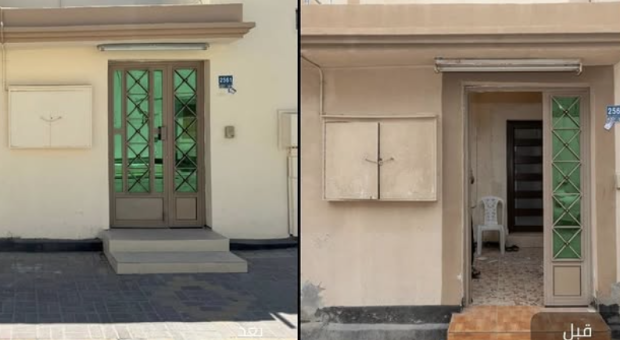
- Core Development: Displaced residents are returning to their properties in Sitra after engineering teams completed safety-certified repairs to homes damaged by recent attacks.
- Beat Context: Categorized under Sport with independent corroboration.
- Reporting Depth: 3 minute analytical read synthesized from verified newsroom sources.
The ongoing restoration programme operates under directives issued by His Majesty King Hamad and the orders of His Royal Highness Prince Salman bin Hamad Al Khalifa, Crown Prince and Prime Minister.
The rehabilitation effort relies on structural assessments conducted by engineering teams from the Works Ministry and the Housing and Urban Planning Ministry. These technical evaluations ensured that buildings met safety and quality standards before inhabitants were permitted to return. The scope of the work included repairing internal and external finishes, restoring utility services, and rehabilitating facilities that had been damaged. Government officials confirmed that the handover process follows an approved implementation plan, with the ministries coordinating to ensure the work is completed rapidly without compromising the integrity of the structures.
For many residents, this week signifies the end of a period of displacement. Families who had been relocated to temporary housing, including those situated in Salman Town, have begun receiving notifications that their homes are ready. Abdulameer Fateel, a 61-year-old resident, stated he had been feeling homesick for a while now
but expressed gratitude for the love, care and compassion
shown by the leadership. Hussain Al Sitri, who heads a family of 10, described the return as a relief after a tough period
and confirmed he is preparing to move his family back to their property.
This recovery effort in Sitra follows the earlier restoration of homes damaged in Hidd Housing Town. Foreign Minister Dr Abdullatif Al Zayani, speaking at an emergency meeting at the United Nations Security Council earlier this month, reported that since 28 February, Bahrain has been subjected to 808 attacks. These included 203 ballistic missiles and 605 drones targeting residential neighbourhoods and civilian infrastructure, resulting in 465 injuries and three deaths.
On 28 February, the first day of American combat operations against Iran, a strike hit the Shajareh Tayyiba school in Minab. According to Iranian state media reports, the event resulted in the deaths of nearly 200 civilians, including 168 children and 14 teachers. Sources familiar with the targeting process indicate that senior United States military commanders authorized the strike after overriding warnings in intelligence databases that the information was out of date.
Reports suggest that the operational pace was influenced by a desire for maximum lethality, not tepid legality
—a phrase used by Defence Secretary Pete Hegseth. The reliance on outdated intelligence occurred because analysts could not refresh records for all targets on a compressed timeline following the initiation of combat. Specifically, satellite imagery from 2013 showed a school and a military base as part of the same compound, whereas 2016 imagery indicated a fence had been erected to separate the school. This update was not conveyed to the military commanders authorizing the strike.
Furthermore, investigative details reveal that Civilian Harm Mitigation and Response teams had been reduced by more than 90 per cent in the lead-up to the conflict. This left strike teams under-resourced, with the dedicated unit at Central Command shrunk from 10 people to a single full-time employee.
Summary of Developments
- 28 February: United States combat operations against Iran begin; a strike hits the Shajareh Tayyiba school in Minab.
- Government Action: The Works Ministry and the Housing and Urban Planning Ministry are conducting a rolling handover of repaired properties in Sitra and Hidd Housing Town.
- Investigation Status: An internal Pentagon investigation into the civilian casualties in Minab is ongoing, though no findings have been released. The White House maintains that the United States does not target civilians.
- Future Outlook: Engineering teams continue to work on remaining damaged homes in Bahrain, with officials pledging to maintain contact with families throughout the final stages of the rehabilitation programme.
As the recovery in Sitra progresses, officials have reaffirmed their commitment to the safety of citizens.
How significant is this development?
Contribute your assessment to the aggregated reader sentiment ledger.
Frequently Asked Questions
Key questions answered in this reportWhat is the key development in: Bahraini families return to Sitra homes repaired after Iranian attacks?
Displaced residents are returning to their properties in Sitra after engineering teams completed safety-certified repairs to homes damaged by recent attacks.
Why is this Sport development significant for the UK?
This report covers critical events in our Sport beat. Independent reporting monitors related UK statements, regulatory shifts, and public responses as further verified details emerge.
How was this reporting corroborated and verified?
Newsarchy UK compiles and cross-references reporting from primary reporting from gdnonline.com and cross-checked wire reports. All coverage adheres to published editorial standards.
When was this report published?
This briefing was published on July 8, 2026 and is permanently cataloged in the Newsarchy UK Sport archives.