It's about time Westminster cracked down on Holyrood
As constitutional relations hit rock bottom, political leaders and experts debate the future of the UK amid deepening friction between London and Edinburgh.

- Core Development: As constitutional relations hit rock bottom, political leaders and experts debate the future of the UK amid deepening friction between London and Edinburgh.
- Beat Context: Categorized under Politics with independent corroboration.
- Reporting Depth: 3 minute analytical read synthesized from verified newsroom sources.
The constitutional relationship between London and Edinburgh is facing a period of unprecedented strain, with political observers and former government figures alike describing the current state of intergovernmental affairs as being at "rock bottom." As of Tuesday, 7 July 2026, the friction between Westminster and the Scottish Parliament has moved from a recurring political debate into a critical juncture that may redefine the future of the United Kingdom.
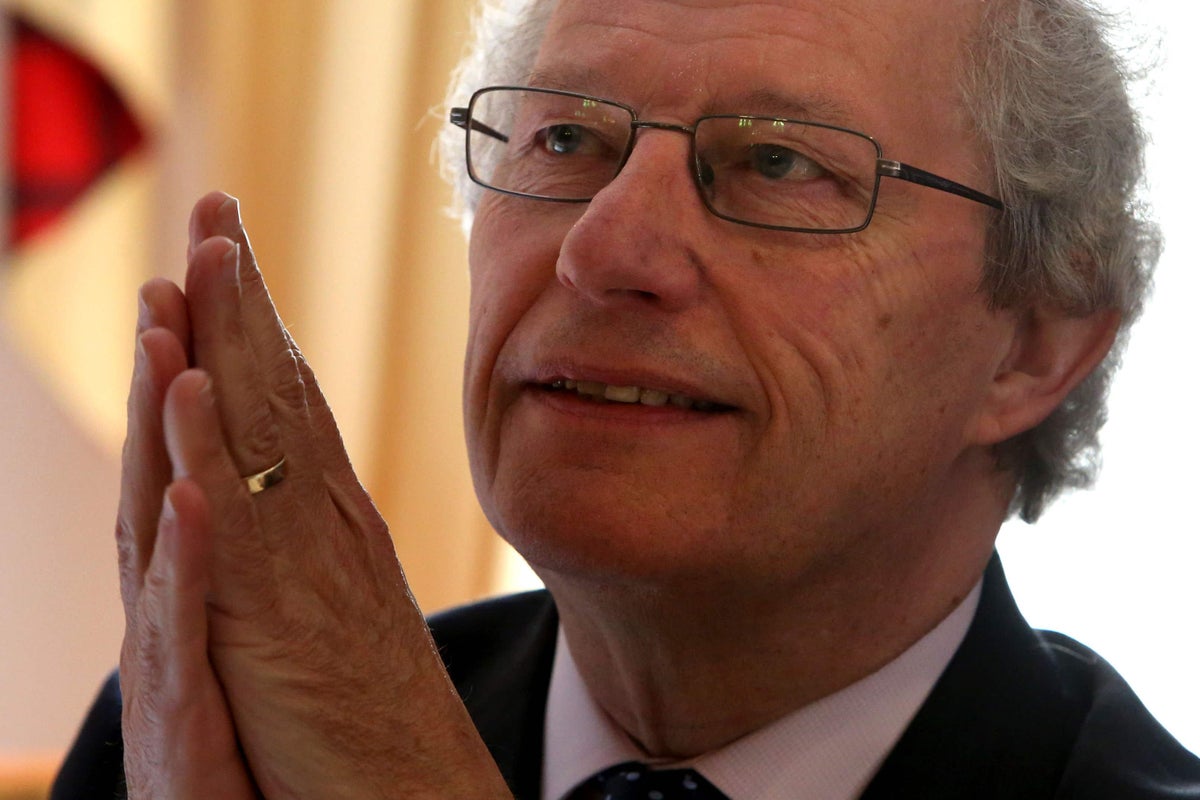
The tension has been intensified by a series of political shake-ups in London, including the recent replacement of the Scottish Secretary and ongoing uncertainty surrounding the governance models proposed by potential future leaders. Former First Minister Henry McLeish, who served between 2000 and 2001, argues that the current atmosphere is more divided than it has been in 25 years. He contends that the lack of respect for devolution and a perceived "pitched battle" between unionism and nationalism have rendered the current political environment unproductive.
Media additions

A Shift in Power and Perspective
The discourse has been further complicated by proposals for a "No 10 North" base, an initiative championed by political figures such as Andy Burnham. While intended to decentralise power away from London, the concept has met with skepticism in Scotland. Supporters of stronger devolved autonomy, such as current First Minister John Swinney, have challenged the idea that Manchester-based models can be smoothly applied to an ancient nation. Mr. Swinney has dismissed these suggestions as "polemics," calling instead for a substantive discussion on how to further empower Holyrood directly.
However, the Scottish Government faces significant domestic pressure. Concerns regarding public service delivery—including education standards, hospital waiting lists, and the performance of the ferry network—continue to fuel criticism. Some observers argue that the Scottish Government’s tendency to blame Westminster for domestic policy failures has become a central point of contention. Audit Scotland has previously issued critical assessments regarding the lack of clear plans and resourcing in devolved education policies, and the fiscal reality remains challenging: 2025 budget statistics indicated a Scottish deficit of £26.2 billion, or 11.6% of GDP.
The Legal and Constitutional Landscape
The legal boundaries of devolution have been firmly tested in recent years, most notably regarding the authority to legislate for constitutional change. The Supreme Court previously issued a unanimous ruling that an independence referendum would fall outside the legislative competence of Holyrood, as the issue relates to reserved matters under the Scotland Act 1998. The justices clarified that competence is not merely about the letter of the law, but also about the "purpose and practical consequences" of legislation. This has established a precedent that constitutional disputes can become actionable legal issues long before a bill reaches the floor of the Parliament.
According to research from the University of Glasgow, the two systems remain fundamentally interdependent. Changes to reserved taxes in England, such as income tax adjustments, automatically trigger shifts in Scotland’s fiscal framework, often leaving Holyrood with difficult choices regarding its own tax policy and spending capacity.
What to Watch Next
- May 2027 Election: The upcoming Holyrood election is widely viewed as a test of whether the Scottish National Party can maintain its lead despite criticism over public services and the impact of the ongoing "No 10 North" rhetoric.
- Intergovernmental Rules: Former First Minister Lord McConnell has called for a formalised set of "rules of the game" for intergovernmental relations, suggesting that civil servants should be required to rotate between London and devolved administrations to improve institutional knowledge.
- Fiscal Pressure: Policymakers await further updates from the Treasury, as weak productivity and tightening fiscal rules at the UK level continue to constrain the spending power available to the Scottish Parliament through the Barnett formula.
The political landscape is further crowded by the rise of alternative voices, including those within Reform UK, who are capitalising on anti-establishment sentiment. As the Scottish Labour party attempts to distance its campaign from the political turmoil at Westminster, the SNP continues to argue that the current constitutional arrangement is failing to meet the needs of the Scottish public. Whether the two governments can find a path to more effective cooperation or continue toward further friction remains the primary question for the remainder of the legislative term.
How significant is this development?
Contribute your assessment to the aggregated reader sentiment ledger.
Frequently Asked Questions
Key questions answered in this reportWhat is the key development in: It's about time Westminster cracked down on Holyrood?
As constitutional relations hit rock bottom, political leaders and experts debate the future of the UK amid deepening friction between London and Edinburgh.
Why is this Politics development significant for the UK?
This report covers critical events in our Politics beat. Independent reporting monitors related UK statements, regulatory shifts, and public responses as further verified details emerge.
How was this reporting corroborated and verified?
Newsarchy UK compiles and cross-references reporting from primary reporting from heraldscotland.com and cross-checked wire reports. All coverage adheres to published editorial standards.
When was this report published?
This briefing was published on July 7, 2026 and is permanently cataloged in the Newsarchy UK Politics archives.