Yemen condemns Houthi attacks on Saudi airports and Mecca attempt
Yemen's foreign ministry has strongly condemned Iran-backed Houthi strikes targeting Saudi airports and the holy sites of Mecca and Medina amid rising regional tensions.
- Core Development: Yemen's foreign ministry has strongly condemned Iran-backed Houthi strikes targeting Saudi airports and the holy sites of Mecca and Medina amid rising regional tensions.
- Beat Context: Categorized under Politics with independent corroboration.
- Reporting Depth: 5 minute analytical read synthesized from verified newsroom sources.
In a rare moment of diplomatic clarity, Yemen’s foreign ministry issued a scathing condemnation of a series of Iran‑backed Houthi strikes that targeted Saudi airports and the holy cities of Mecca and Medina. The denunciation arrives amid a sudden surge in cross‑border hostilities that threatens to destabilise the already fragile Red Sea corridor and could ripple into global oil markets. The attacks, which have caused minor injuries and material damage to the King Abdullah bin Abdulaziz International Airport in Jazan and the Najran International Airport, have also prompted a sharp response from Saudi air defences, regional allies, and the United Nations.
The first wave of attacks began on Monday, when the Houthi militia claimed responsibility for launches aimed at Saudi airfields in Jazan and Najran. According to the state‑run Saba news agency, the strikes caused minor injuries to three people and “material damage” at the affected airports. The Saudi General Authority of Civil Aviation confirmed the damage and warned international airlines of heightened risks in the region.
Media additions
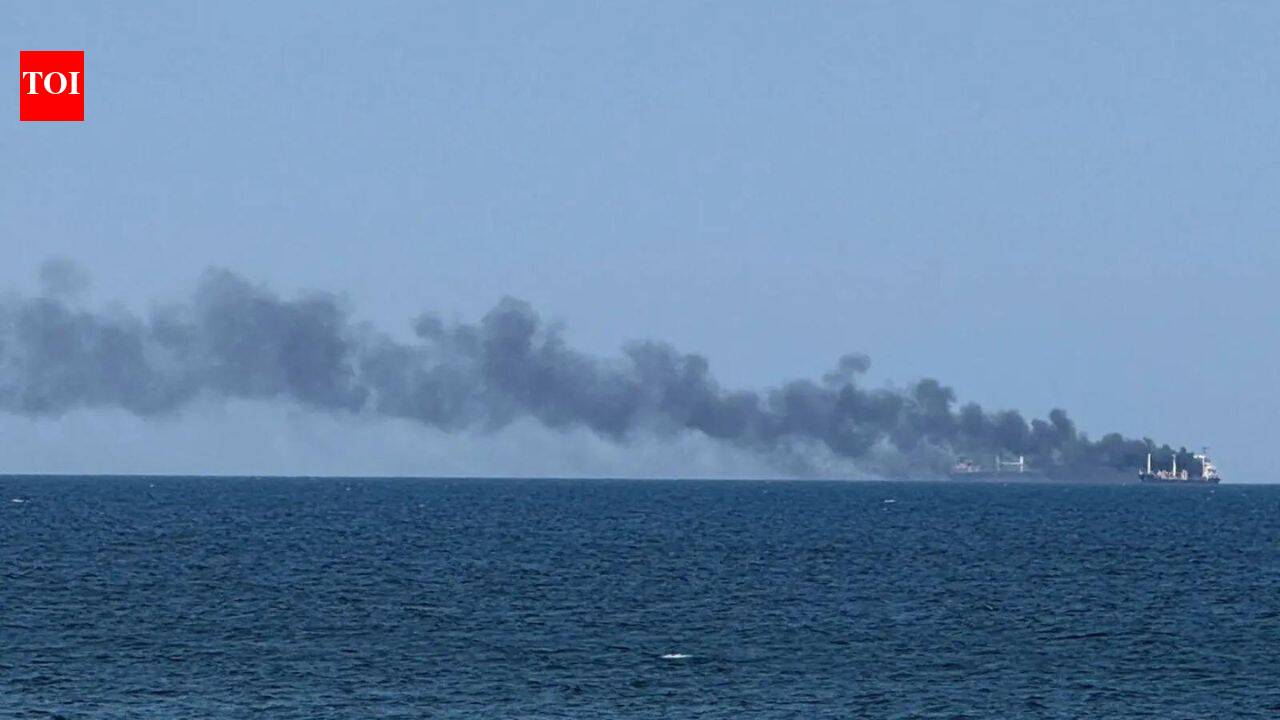


Amid the escalating tensions, Yemen’s foreign ministry issued a statement that “the state of Yemen strongly condemns the attacks on Saudi airports, Mecca and Medina, which are acts of terrorism that threaten regional stability and the safety of civilians.” The ministry’s condemnation was echoed by the Jordanian government, which “reaffirms its full support for Saudi Arabia’s efforts to achieve a comprehensive and sustainable political settlement in Yemen.” Jordan’s statement also underlined the seriousness of attacks on holy sites, describing them as “a serious threat to regional security.”
Regional allies have joined the chorus of condemnation. German Chancellor Friedrich Merz, speaking at a joint press conference with Lithuanian Prime Minister Mindaugas Sinkevicius, expressed “cautious optimism” regarding Yemen’s territorial gains near the Bab al‑Mandab Strait, while warning that the situation remains far from resolved. Merz’s remarks came as Germany’s foreign and defence ministers worked closely with European partners to de‑escalate tensions and reopen vital shipping lanes, particularly in light of the ongoing blockade of the Strait of Hormuz.
In the United Nations, the Security Council condemned the “continued Houthi cross‑border attacks” against Saudi Arabia, citing the strikes’ impact on civilian infrastructure and energy facilities. The UN Secretary‑General, Antonio Guterres, expressed deep concern over the sharp escalation and urged all parties to de‑escalate.
Meanwhile, Yemen’s internationally recognised government, backed by Saudi forces, has claimed significant gains in the Red Sea region. In a statement, the Yemeni military announced that it had secured the Bab al‑Mandab Strait and captured Mokha, a key port city on the Red Sea coast. The claim was followed by conflicting reports from unnamed government sources that suggested the forces had only reached Mokha’s outskirts. The Houthi movement denied losing either Mokha or the strait, maintaining that it still controls the area and had struck Riyadh’s airport and other locations in retaliation for Saudi air strikes.
Saudi Arabia’s coalition has responded with a sustained campaign of air strikes, claiming to have destroyed 324 high‑value targets since the start of the offensive. The coalition’s air power has also targeted Houthi‑controlled oil facilities, including an Aramco refinery in Riyadh and the Khurais Central Processing Facility, as reported by satellite imagery. These operations have drawn criticism from the Houthi spokesperson Yahya Saree, who argued that the group’s focus is strictly on military installations and energy infrastructure, far removed from the sacred sites.
The escalation has drawn international attention beyond the immediate conflict zone. Turkey and Pakistan held an emergency meeting in Riyadh to discuss rapid deployment under the Mecca Joint Defence Agreement. The three countries also agreed to enhance intelligence sharing and integrated capabilities to counter Houthi threats.
In the broader geopolitical context, the Houthi attacks are part of a wider pattern of Iranian‑backed aggression that has already strained global oil supplies. The Houthi‑controlled islands of Greater and Lesser Hanish, as well as Mokha and Perim, lie within the Bab al‑Mandab Strait, a critical chokepoint linking the Indian Ocean to the Mediterranean via the Suez Canal. The Houthi seizure of these islands has raised fears of a second oil supply crisis, especially as the Strait of Hormuz remains closed due to the ongoing Iranian‑Israeli conflict.
Amid the escalating conflict, the United States has increased its presence in the region, removing B‑1 bombers from RAF Fairford in response to suspected Iranian drone activity. The U.S. Treasury’s Operation Economic Outcast has targeted Iranian financial networks, further tightening sanctions.
Looking ahead, several diplomatic efforts are underway. Germany is coordinating with European partners to facilitate a swift resolution, while the United Nations is preparing for a high‑level meeting in Islamabad to discuss potential mediation.
In terms of humanitarian impact, the United Nations estimates that the renewed fighting has displaced more than 174,000 others inside Yemen, with the UN migration agency reporting a surge. The Yemeni government’s claim of securing the Bab al‑Mandab Strait is therefore not only a military victory but also a potential turning point for the region’s trade routes and the safety of millions of civilians.
As the situation on the ground remains fluid, observers will be watching for further statements from the Yemeni foreign ministry, the Saudi coalition’s operational reports, and any diplomatic breakthroughs in the coming days.
How significant is this development?
Contribute your assessment to the aggregated reader sentiment ledger.
Frequently Asked Questions
Key questions answered in this reportWhat is the key development in: Yemen condemns Houthi attacks on Saudi airports and Mecca attempt?
Yemen's foreign ministry has strongly condemned Iran-backed Houthi strikes targeting Saudi airports and the holy sites of Mecca and Medina amid rising regional tensions.
Why is this Politics development significant for the UK?
This report covers critical events in our Politics beat. Independent reporting monitors related UK statements, regulatory shifts, and public responses as further verified details emerge.
How was this reporting corroborated and verified?
Newsarchy UK compiles and cross-references reporting from primary reporting from timesofindia.indiatimes.com and cross-checked wire reports. All coverage adheres to published editorial standards.
When was this report published?
This briefing was published on October 6, 2026 and is permanently cataloged in the Newsarchy UK Politics archives.