Belgium faces widespread public transport strikes on 9 and 12 October
Major trade unions in Belgium are staging coordinated strikes on 9 and 12 October to protest federal budget cuts and austerity measures.
- Core Development: Major trade unions in Belgium are staging coordinated strikes on 9 and 12 October to protest federal budget cuts and austerity measures.
- Beat Context: Categorized under Transport with independent corroboration.
- Reporting Depth: 3 minute analytical read synthesized from verified newsroom sources.
Belgium faces widespread public transport strikes on 9 and 12 October as major trade unions mobilise against federal austerity measures and budget cuts, bringing severe disruptions to capital mobility, aviation networks, and public services.
The coordinated industrial action marks a critical escalation in tensions between labour organisations and the centre-right federal administration led by Prime Minister Bart de Wever. According to reporting from VRT, this represents at least the tenth major protest against the government's economic policies since early the previous year. The immediate trigger is the drafting of the federal budget, with unions warning that ordinary workers are once again forced to bear the brunt of state spending cuts designed to reduce the national deficit.
Media additions

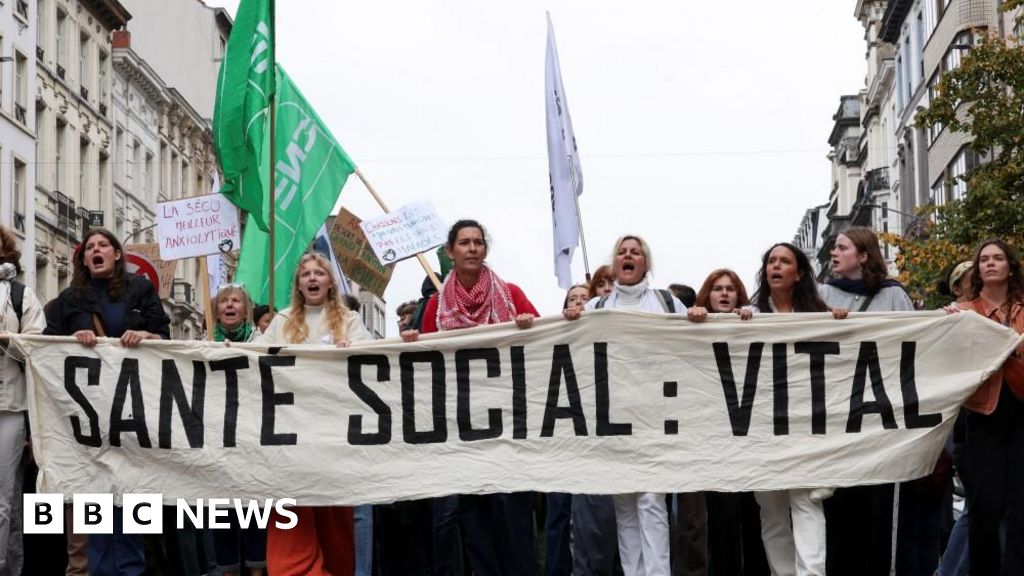
The industrial action is split across two main days of protest. On the opening day of action, the ABVV (socialist) and ACV (christian) unions organised demonstrations in Brussels, targeting the headquarters of federal coalition parties including the N-VA, CD&V, Vooruit, MR, and Les Engagés. Activists demanded that the government keep its hands off purchasing power, value-added tax rates, and the cost-of-living index. Meanwhile, the independent trade union Synova chose to engage in dialogue with workers rather than taking to the streets, as reported by Belga Share.
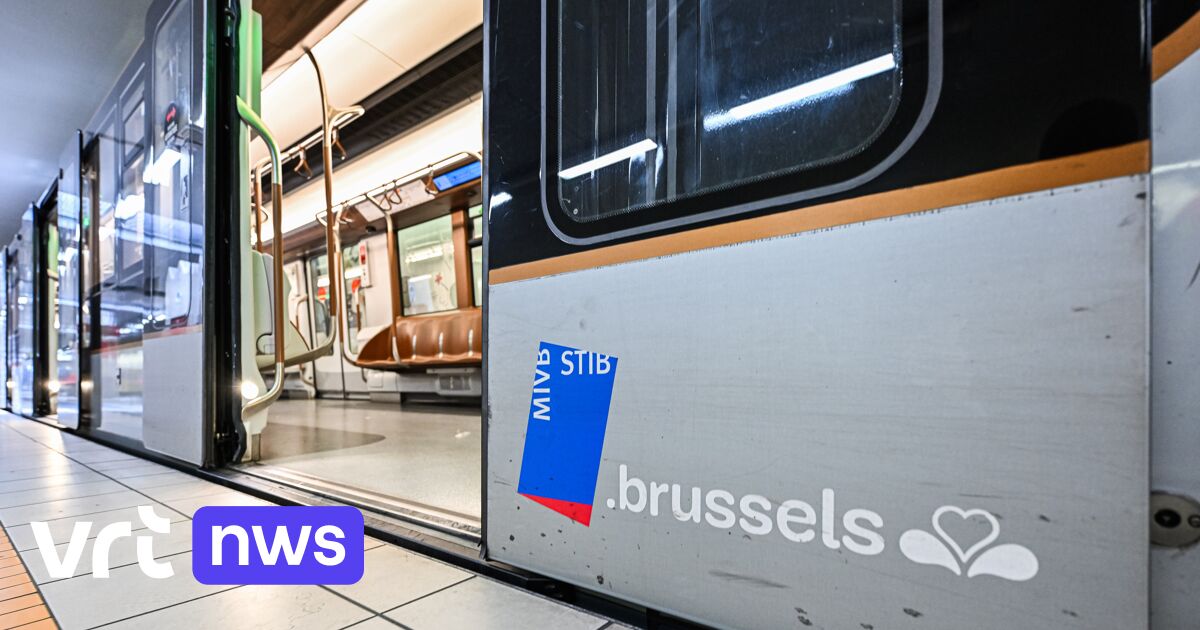
Local and national transport networks have experienced severe cutbacks. The Brussels public transport operator MIVB (STIB) warned of significant disruptions across its underground, tram, and bus networks, operating without a guaranteed minimum service. In Flanders, regional operator De Lijn reported that four in ten buses and trams were grounded during the initial walkouts, implementing an alternative service schedule utilising available staff. State-owned railway operator NMBS confirmed that its workforce would join the wider public sector strike on the following Monday, prompting the establishment of an alternative timetable as detailed by Belga Share.
| Transport Operator / Sector | Impact / Status | Source |
|---|---|---|
| De Lijn (Flemish local transport) | 60 percent of buses and trams running; alternative schedules deployed | VRT |
| MIVB / STIB (Brussels local transport) | Significant disruption with no guaranteed minimum service | VRT |
| Brussels Airport (Alyzia handling) | Approximately 140 flight cancellations due to ground handling strikes | VRT |
| NMBS / SNCB (Railways) | Normal operations on Friday; strike action scheduled for Monday | VRT / Belga Share |
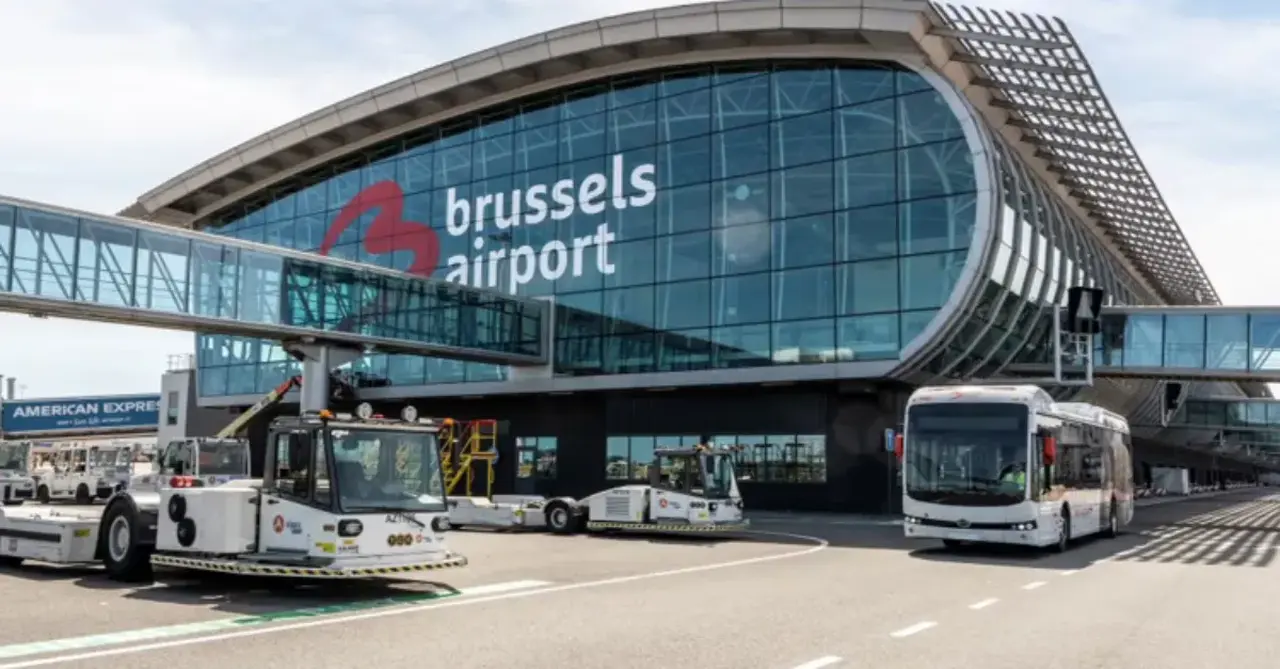
Aviation has suffered heavily alongside ground transport. At Brussels Airport, approximately 140 flights faced cancellation because ground handling operator Alyzia was affected by staff walkouts, according to VRT reporting. Airlines adjusted schedules and notified passengers directly, while flights handled by Aviapartner, including Ryanair and TUI fly, remained unaffected. Flights at Charleroi Airport operated normally, though passengers were urged to allow extra travel time.
Unions have placed particular emphasis on defending Belgium's automatic wage indexation system, which legally mandates that salaries and social benefits increase alongside inflation. Labour representatives argue that attempts to weaken this mechanism or alter pension rules represent a direct attack on the welfare state. In response to the government's austerity agenda, unions presented an alternative budget plan aimed at raising state revenue through corporate taxation and wealth levies rather than expenditure cuts.
Further developments hinge on political negotiations between the federal government and labour leadership. If the administration declines to amend its budgetary targets, additional industrial action across wider economic sectors remains probable, testing the limits of fiscal policy against entrenched collective bargaining power. Readers can monitor ongoing developments via BBC reporting and check broader updates through Transport coverage.
How significant is this development?
Contribute your assessment to the aggregated reader sentiment ledger.
Frequently Asked Questions
Key questions answered in this reportWhat is the key development in: Belgium faces widespread public transport strikes on 9 and 12 October?
Major trade unions in Belgium are staging coordinated strikes on 9 and 12 October to protest federal budget cuts and austerity measures.
Why is this Transport development significant for the UK?
This report covers critical events in our Transport beat. Independent reporting monitors related UK statements, regulatory shifts, and public responses as further verified details emerge.
How was this reporting corroborated and verified?
Newsarchy UK compiles and cross-references reporting from primary reporting from Travel Tourister and cross-checked wire reports. All coverage adheres to published editorial standards.
When was this report published?
This briefing was published on October 10, 2026 and is permanently cataloged in the Newsarchy UK Transport archives.


