British rail and airline strikes cause fresh transport chaos
Transport networks are reeling as strikes by rail and airline staff trigger cancellations and commute delays. Experts warn the action could cost millions.

- Core Development: Transport networks are reeling as strikes by rail and airline staff trigger cancellations and commute delays. Experts warn the action could cost millions.
- Beat Context: Categorized under Transport with independent corroboration.
- Reporting Depth: 3 minute analytical read synthesized from verified newsroom sources.
The current wave of unrest involves rail workers and airline staff, compounding the impact of separate, ongoing walkouts on the London Underground.
Railway and Aviation Disruption
British Airways was forced to cancel 48 flights over two days at London’s Heathrow airport after cabin crew began a 48-hour strike, but said it would ensure that all passengers were able to travel. The Unite union called the strike after rejecting a deal proposed by the airline in December, which union leaders called “poverty pay” levels for staff who joined after 2010.
Media additions

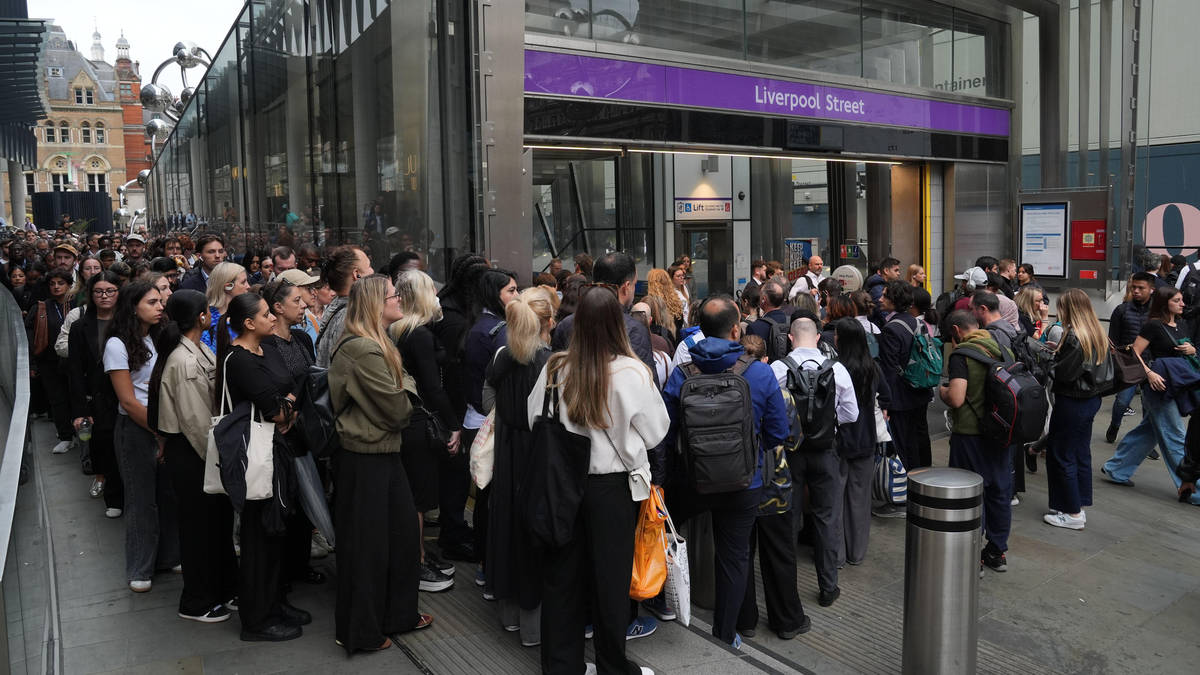

Meanwhile commuters heading into London were hit by yet another strike on Southern Rail, which caused virtually all services between the southern English coast and the capital to be cancelled. The walkout by members of the Aslef union is the latest in a string of strikes in the past few weeks in a bitter dispute over the operator’s plans to downgrade the role of the train conductor. Southern wants drivers to be able to operate train doors, not conductors, as is the case on many trains in Britain. But the union says this risks passenger safety. The strike, which has the backing of opposition Labour leader Jeremy Corbyn, will continue into Wednesday and resume on Friday, while further action is also planned for three days later in the month.
London Underground Standstill
The Rail, Maritime and Transport union (RMT) initiated this action following the rejection of a 3.4% pay increase. The union is also campaigning for a reduction in the 35-hour working week.
The government has urged both sides to return to negotiations. A spokesperson for the Prime Minister remarked:
"I think Londoners will rightly be fed-up with the disruption from Tube strikes ….. as parents try and drop their kids off at school, get to hospital appointments, get to work. We want to see RMT and TfL get back around the table when it comes to these strikes, work together in good faith to resolve this situation in the interests of passengers."
Prime Minister’s official spokesman, via LBC
Wider Economic and Industrial Context
The Express notes that Britain lost more than 280,000 working days to strikes in the first half of this year alone. Experts warn of the economic consequences; Simon French of Panmure Gordon suggested that the walkout could cost as much as £90m per day, while Martin Beck, WPI Strategy's chief economist, said: "We estimate that it could cost the London economy up to a quarter of a billion pounds in the form of lost revenue to TfL and London businesses, more congestion on the roads and extra travel time for commuters."
Tensions remain high across the public sector. Beyond transport, healthcare workers, including GPs, nurses, and junior doctors, may strike during winter, the health service's busiest time of year, over demands for pay and funding. Wes Streeting, the Health Secretary, said on Thursday that ministers had a "responsibility" to stand up to public sector pay demands to help support the Prime Minister and Chancellor.
What to Watch Next
- Southern Rail: Services are expected to remain disrupted through Wednesday, with further action occurring on Friday and for an additional three days later in the month.
- Tube Services: Commuters should monitor for further staggered walkouts, as the RMT continues to reject current pay and hours conditions.
- Flight schedules: Passengers with British Airways are advised to check status updates as the 48-hour cabin crew strike concludes.
- Public Sector: Continued pressure on the Chancellor, Rachel Reeves, to address public finance shortfalls while navigating potential industrial action by health service staff.
How significant is this development?
Contribute your assessment to the aggregated reader sentiment ledger.
Frequently Asked Questions
Key questions answered in this reportWhat is the key development in: British rail and airline strikes cause fresh transport chaos?
Transport networks are reeling as strikes by rail and airline staff trigger cancellations and commute delays. Experts warn the action could cost millions.
Why is this Transport development significant for the UK?
This report covers critical events in our Transport beat. Independent reporting monitors related UK statements, regulatory shifts, and public responses as further verified details emerge.
How was this reporting corroborated and verified?
Newsarchy UK compiles and cross-references reporting from primary reporting from digitaljournal.com and cross-checked wire reports. All coverage adheres to published editorial standards.
When was this report published?
This briefing was published on July 14, 2026 and is permanently cataloged in the Newsarchy UK Transport archives.