Houthis hit Saudi Abha airport with missiles and drones in retaliation
Following a Yemeni government strike on the Sanaa airport runway, Houthi forces have vowed retaliation, threatening the stability of the 2022 truce.

- Core Development: Following a Yemeni government strike on the Sanaa airport runway, Houthi forces have vowed retaliation, threatening the stability of the 2022 truce.
- Beat Context: Categorized under World with independent corroboration.
- Reporting Depth: 3 minute analytical read synthesized from verified newsroom sources.
The strike serves as a direct retaliatory measure following an earlier attack on the runway at Sanaa International Airport, which took place on Monday, 13 July 2026. This exchange represents the most significant military escalation in the region since the establishment of a fragile truce in 2022, threatening the stability of a conflict that had seen a period of relative calm.
The sequence of events began when the internationally recognized government of Yemen, operating out of the southern city of Aden, sought to prevent an Iranian Mahan Air flight from landing in the Houthi-controlled capital. The government stated it had denied a request from Iran to operate the flight, which was intended to return a Houthi delegation from the funeral of the late Iranian Supreme Leader, Ayatollah Ali Khamenei. According to Yemen’s Ministry of Defence, the government had offered to transport the delegation home via a domestic carrier, Yemenia, but the Houthis insisted on utilizing the Iranian aircraft. When diplomatic attempts to block the flight failed, the government ordered a strike on the Sanaa airport runway.
Media additions
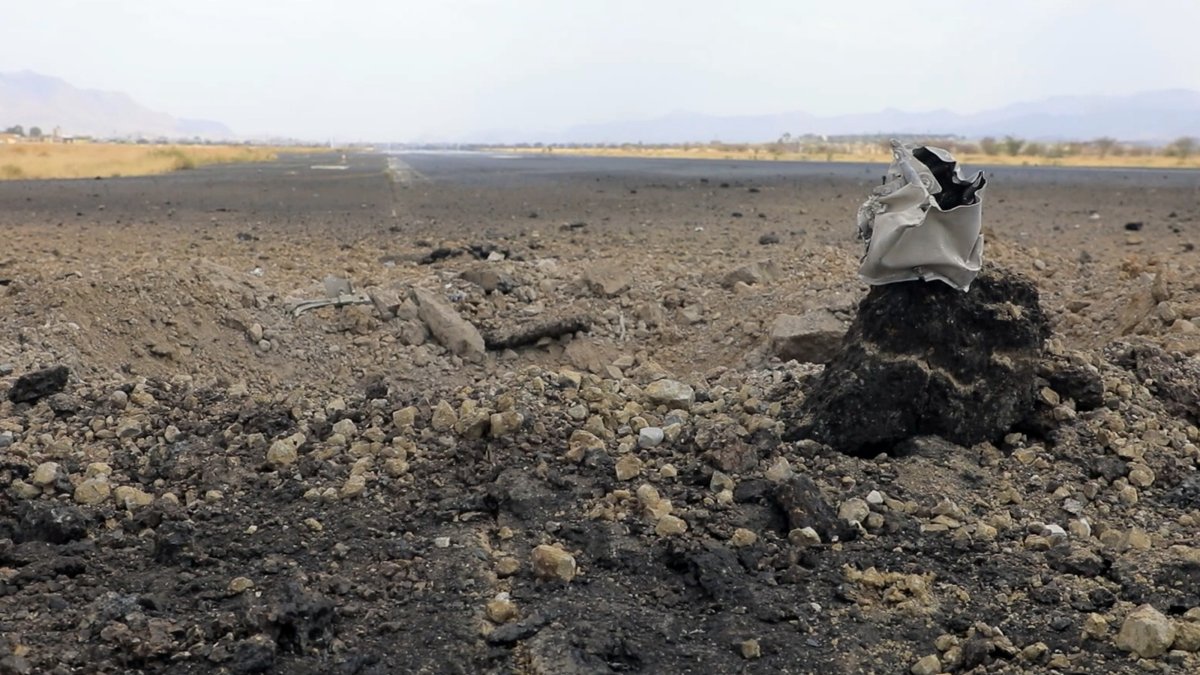
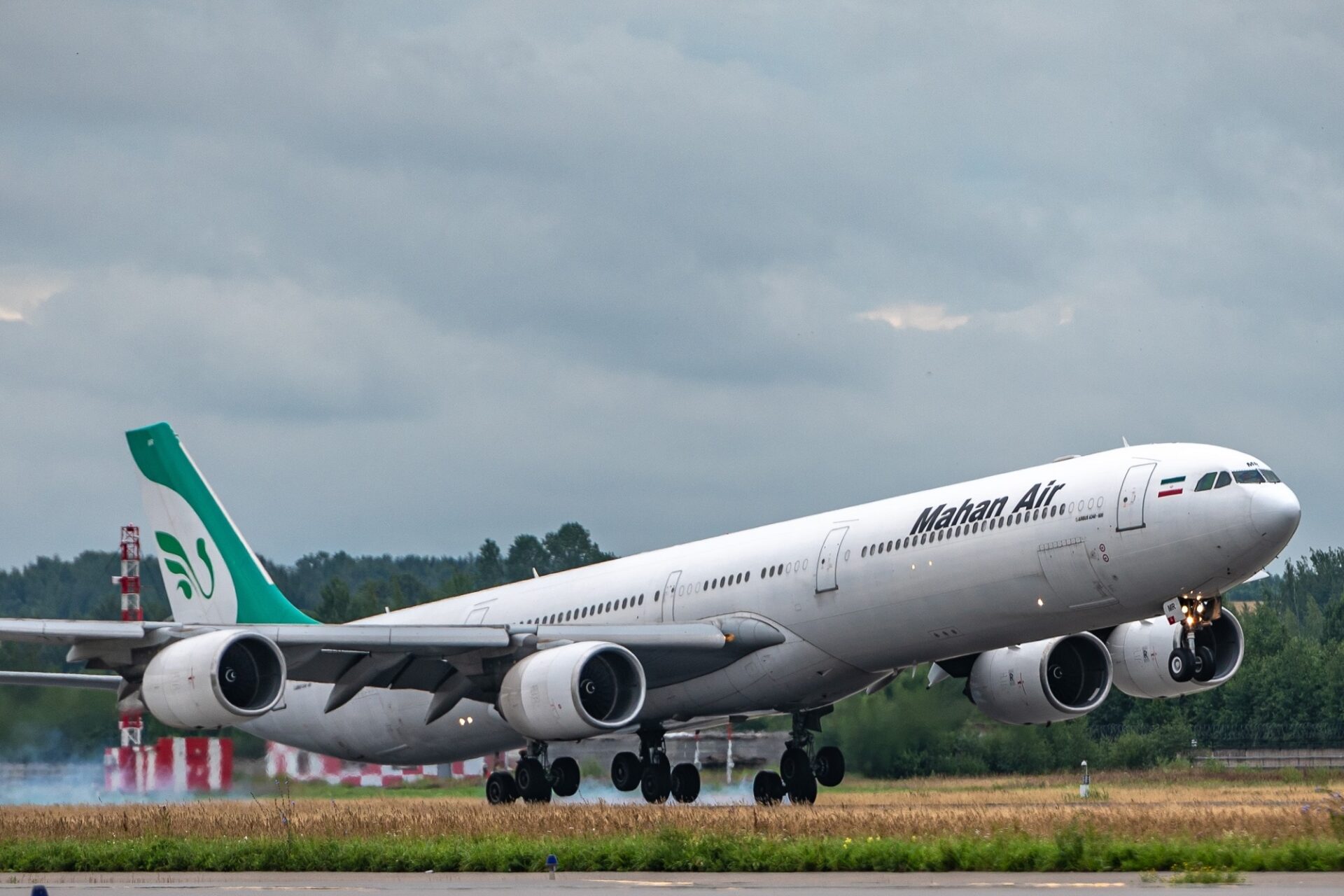
Yemen’s Defence Minister, Gen. Taher al-Aqili, stated that the runway was targeted to uphold national sovereignty and prevent unauthorized Iranian aircraft from violating Yemeni territory. Footage broadcast by the Houthi-aligned Al-Masirah network depicted explosions on the airport compound. Following the strike, the Mahan Air aircraft diverted to Hodeidah Airport, where it successfully landed. The Yemeni government subsequently ordered the temporary closure of all airports within the country.
In response, Houthi military spokesman Brig. Gen. Yahya Saree issued a formal declaration via Telegram, asserting that the government and its Saudi backers had brought an end to a period of “de-escalation.” Saree stated that the Houthi movement would treat the Sanaa strike as a “blatant and unjust act of aggression.” He issued a stern warning to commercial airlines, advising them to avoid flying through Saudi airspace as the Houthis pledged that the attack would not go “unanswered or unpunished.”
The spokesperson for the Saudi-led coalition, Maj. Gen. Turki al-Malki, confirmed via social media that coalition air defences had “dealt with” the inbound ballistic missile threat, though Saudi authorities provided little additional detail regarding the extent of the damage or the specific nature of the munitions.
The competing narratives surrounding the initial attack on Sanaa highlight the deep fissures within the conflict. While the Aden-based government claims the runway was a necessary target to block an illegal Iranian incursion, the Houthi Foreign Ministry condemned the strike as a violation of international law. Security analysts provide further context to these claims; Andreas Krieg, a lecturer in security at King’s College London, noted that while it is technically possible for the Yemeni government to conduct such a strike using assets provided by the United Arab Emirates, the age and condition of the government's own air fleet suggest it is more likely that Saudi forces executed the operation.
The geopolitical fallout has drawn immediate intervention from international bodies. The United Nations Security Council convened an emergency meeting on Monday afternoon to discuss the volatile situation. Khaled Khiari, UN Assistant Secretary-General for political affairs, addressed the council, stating,
. He urged all parties to return to negotiations. Similarly, Hans Grundberg, the UN special envoy for Yemen, emphasized the necessity of preserving the relative calm that has persisted since 2022."Yemen and the wider region cannot afford another cycle of escalation,"
Khaled Khiari, Assistant Secretary-General for political affairs, via UN
Risk analysts warn that the situation remains precarious. Mohammed al-Basha, a consultant with the U.S.-based Basha Report, indicated that the current cycle of retaliation could lead to the complete collapse of the April 2022 ceasefire framework. The Yemeni government has signaled a hardline stance, declaring its intention to confront any aircraft entering its airspace by “all available means,” while the regional atmosphere remains charged by broader tensions involving Iran and U.S. Interests in the Gulf.
How significant is this development?
Contribute your assessment to the aggregated reader sentiment ledger.
Frequently Asked Questions
Key questions answered in this reportWhat is the key development in: Houthis hit Saudi Abha airport with missiles and drones in retaliation?
Following a Yemeni government strike on the Sanaa airport runway, Houthi forces have vowed retaliation, threatening the stability of the 2022 truce.
Why is this World development significant for the UK?
This report covers critical events in our World beat. Independent reporting monitors related UK statements, regulatory shifts, and public responses as further verified details emerge.
How was this reporting corroborated and verified?
Newsarchy UK compiles and cross-references reporting from primary reporting from dailysabah.com and cross-checked wire reports. All coverage adheres to published editorial standards.
When was this report published?
This briefing was published on July 14, 2026 and is permanently cataloged in the Newsarchy UK World archives.