Iran hits two UAE tankers in Strait, killing Indian crew member
Iranian missile strikes on two oil tankers in the Strait of Hormuz have killed one Indian crew member and wounded several others. This escalation follows a series of U.S. military strikes against Iranian targets, fueling concerns over the safety of the global maritime corridor.
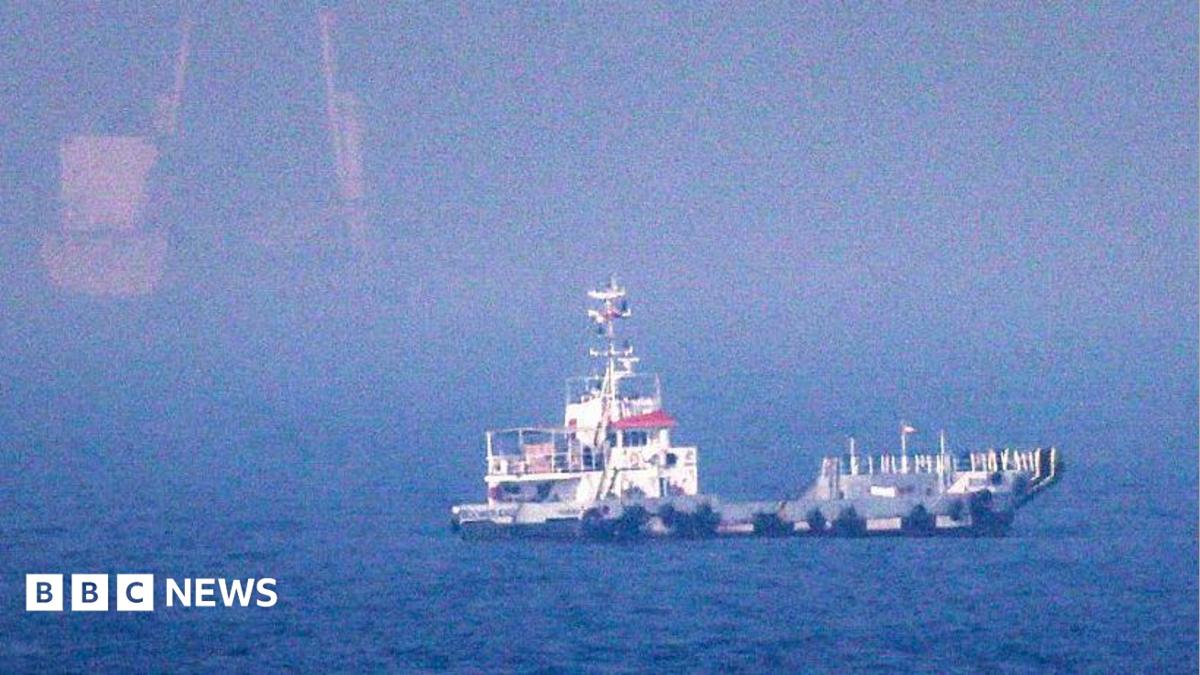
- Core Development: Iranian missile strikes on two oil tankers in the Strait of Hormuz have killed one Indian crew member and wounded several others. This escalation follows a series of U.S. military strikes against Iranian targets, fueling concerns over the safety of the global maritime corridor.
- Beat Context: Categorized under World with independent corroboration.
- Reporting Depth: 3 minute analytical read synthesized from verified newsroom sources.
Iranian cruise‑missiles struck two United Arab Emirates‑flagged oil tankers in the Strait of Hormuz overnight, killing an Indian seafarer and injuring dozens more, a development that has thrust the already volatile waterway into the global spotlight.
The attacks on the Al Bahiyah and Mombasa – together carrying 46 crew members – came just hours after the United States launched its third consecutive night of strikes against Iranian military assets. The parallel offensives have rekindled a dispute over who actually controls the strait, with Tehran insisting the passage is closed to “illegal” foreign interference while Washington claims it remains open via an alternative southern route.
Media additions
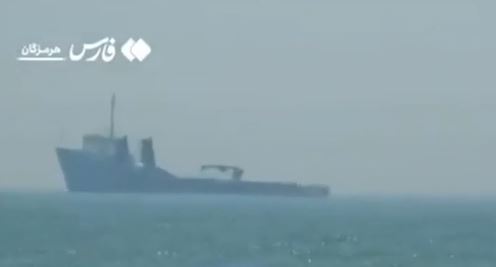

India’s Ministry of External Affairs confirmed that one of the 12 Indian nationals aboard the Al Bahiyah was killed and another injured. On the Mombasa, nine of the 18 Indians on board were wounded, including two in serious condition.
“We strongly condemn these attacks and acts of violence targeting seafarers and disrupting free and safe navigation through international waterways like the Strait of Hormuz,”
Randhir Jaiswal, spokesperson, India’s Ministry of External Affairs, via BBC
In response, New Delhi summoned Iran’s deputy ambassador to lodge a “strong protest”. Tehran’s Islamic Revolutionary Guard Corps (IRGC) declared the strait “our territory” and vowed to keep it closed until “the end of interference”.
“We defend it so that in the future, for the passage of our ships, we are not forced to pay tribute to the enemy!”
Mohammed Mokhber, adviser to Iran’s supreme leader, via WHDH
Meanwhile, the United States’ Central Command (CENTCOM) announced a new wave of precision strikes that began at 20:45 GMT on Monday, targeting air‑defence systems, radar sites, missile and drone launch facilities across Iran, including Bushehr, Chah Bahar, Jask, Konarak, Abu Musa and Bandar Abbas. According to CENTCOM, the operation lasted five hours and “successfully struck military targets” in those locations.
“U.S. forces are postured and prepared to ensure that freedom of navigation remains available to commercial shipping despite Iran’s continued unwarranted aggression, harassment, threats, and arbitrary declarations,”
CENTCOM, via Fox News
The U.S. Also warned that the Strait of Hormuz is a “vital maritime corridor for global trade” and that Iran does not control it, underscoring its intent to keep the waterway open through an “expanded” southern route hugging Oman's coastline.
Iran’s retaliation was swift. State media reported that the IRGC launched attacks on “violating” vessels in the strait and shot down a U.S.–made drone near Bandar Abbas. The Revolutionary Guard also claimed to have hit U.S. Assets in Bahrain, Kuwait and Jordan, with air‑raid sirens sounding multiple times in Bahrain and Jordan reporting the interception of four Iranian missiles without casualties.
Oil markets reacted instantly. Brent crude rose roughly 2 percent to $84.98 a barrel on Tuesday, while the U.S. Benchmark fell to around $72.92 a barrel. Ship‑tracking data from Kpler showed a sharp fall in strait crossings – about a 52 percent drop from Friday to Sunday compared with the prior week – and MarineTraffic reported “minimal” traffic on the Omani southern route over the weekend.
International actors have called for de‑escalation. The European Union’s top diplomat, Kaja Kallas, urged that “freedom of navigation has to be respected”. A regional official involved in mediation, speaking on condition of anonymity, said mediators from Pakistan, Qatar and Egypt continue to discuss a final settlement, even as both sides ramp up military pressure.
What happened – a timeline
- Monday night (overnight) – Iranian cruise missiles hit the Al Bahiyah and Mombasa in Omani waters; one Indian crew member killed, multiple injuries.
- Monday, 20:45 GMT – CENTCOM launches its third night of U.S. Strikes on Iranian sites across the south.
- Monday, later – Iran’s IRGC reports shooting down a U.S. Drone and striking “violating” vessels; sirens sound in Bahrain.
- Tuesday, early – Jordan intercepts four Iranian missiles; Kuwait reports hostile aerial targets.
As the strait remains a flashpoint, the world watches whether diplomatic channels can survive the barrage of missiles and counter‑strikes that now dominate the narrow passage that carries roughly a fifth of the planet’s oil.
How significant is this development?
Contribute your assessment to the aggregated reader sentiment ledger.
Frequently Asked Questions
Key questions answered in this reportWhat is the key development in: Iran hits two UAE tankers in Strait, killing Indian crew member?
Iranian missile strikes on two oil tankers in the Strait of Hormuz have killed one Indian crew member and wounded several others. This escalation follows a series of U.S. military strikes against Iranian targets, fueling concerns over the safety of the global maritime corridor.
Why is this World development significant for the UK?
This report covers critical events in our World beat. Independent reporting monitors related UK statements, regulatory shifts, and public responses as further verified details emerge.
How was this reporting corroborated and verified?
Newsarchy UK compiles and cross-references reporting from primary reporting from whdh.com and cross-checked wire reports. All coverage adheres to published editorial standards.
When was this report published?
This briefing was published on July 14, 2026 and is permanently cataloged in the Newsarchy UK World archives.