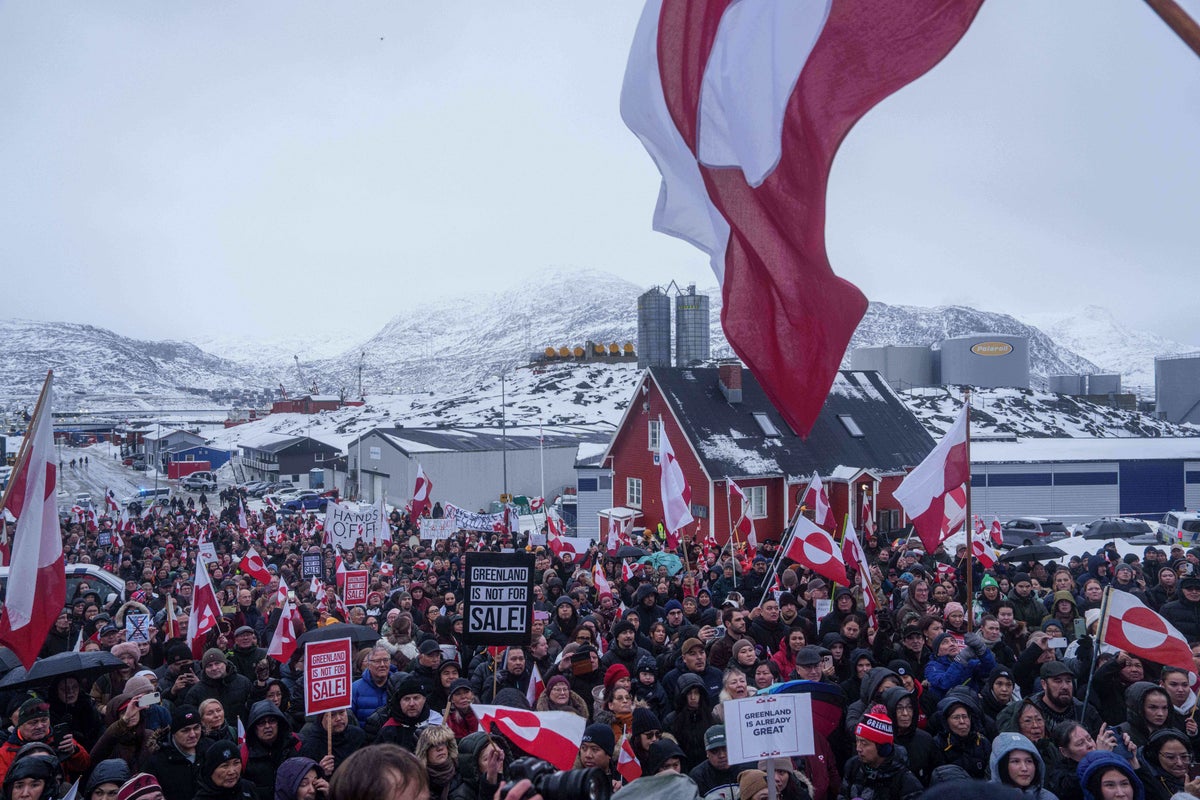
TfL warns of severe London Underground disruption from RMT strike action
TfL has issued a warning regarding expected industrial action by the RMT union, which will cause severe disruption and little to no service on the London Underground.
- Core Development: TfL has issued a warning regarding expected industrial action by the RMT union, which will cause severe disruption and little to no service on the London Underground.
- Beat Context: Categorized under Transport with independent corroboration.
- Reporting Depth: 3 minute analytical read synthesized from verified newsroom sources.
Transport for London (Tfl) has issued a severe warning to passengers as industrial action by the RMT union is set to significantly disrupt travel across the capital. Commuters face the prospect of little to no service across the entire London Underground network for several days in September.
The planned industrial action is scheduled to commence on Sunday, 7 September 2025, and is expected to persist through Thursday, 11 September 2025. While the initial days of the week, Friday, 5 September, and Saturday, 6 September, are not anticipated to face any impact, the disruption will intensify rapidly once the walkouts begin.
Media additions
Disruption Timeline and Expected Impact
- Sunday, 7 September: Limited services are expected across the network.
- Monday, 8 September – Thursday, 11 September: Severe disruption is expected, with little to no service on all London Underground lines.
Beyond the Underground, other segments of the transport network will face strain. The Docklands Light Railway (DLR) is set for separate strike action, with no service operating on Tuesday, 9 September, and Thursday, 11 September. Additionally, bus services in west, northwest, and southwest London operated by First Bus face potential disruption from Thursday, 11 September, through Sunday, 14 September. While the Elizabeth line, London Overground, and London Trams are scheduled to operate as normal, TfL warns these services will likely be extremely busy. Station closures on the Tube may also prevent these operational services from stopping at specific locations or reaching their normal destinations.
The Basis of the Dispute
The conflict centres on pay and working conditions. TfL has proposed a 3.4 per cent pay increase, a figure they describe as in line with offers accepted by RMT in recent pay discussions across the rail industry
. However, the RMT remains focused on a reduction to the current 35-hour contractual working week, citing concerns over fatigue and the health impacts of shift work.
Claire Mann, Tfl’s Chief Operating Officer, expressed disappointment regarding the move toward industrial action.
"We are committed to ensuring our colleagues are treated fairly and, as well as offering a 3.4 per cent pay increase in our ongoing pay discussions, we have made progress on a number of previous commitments. We welcome further engagement with our unions about fatigue and rostering across London Underground, but a reduction in the contractual 35-hour working week is neither practical nor affordable."
Claire Mann, TfL's Chief Operating Officer, via TfL Press Office
The union disputes the financial necessity of these constraints. According to reporting via Yahoo News, an RMT spokesperson argued that a shorter working week is fair and affordable.
Public Advice and Next Steps
Michael Roberts, CEO of London TravelWatch, noted the difficulty the strike poses to daily life. Strikes on public transport are a huge inconvenience for passengers,
he stated, urging all parties to seek a resolution.
As the potential for widespread disruption looms, TfL has advised the public to plan alternative routes and consider walking or cycling. Roads are expected to be heavily congested as passengers migrate away from the rail network. Customers are encouraged to monitor tfl.gov.uk/strikes for real-time updates and allow extra time for all travel.
The dispute remains ongoing, with TfL reiterating that they continue to engage in dialogue with the union in hopes of averting the walkouts.
How significant is this development?
Contribute your assessment to the aggregated reader sentiment ledger.
Frequently Asked Questions
Key questions answered in this reportWhat is the key development in: TfL warns of severe London Underground disruption from RMT strike action?
TfL has issued a warning regarding expected industrial action by the RMT union, which will cause severe disruption and little to no service on the London Underground.
Why is this Transport development significant for the UK?
This report covers critical events in our Transport beat. Independent reporting monitors related UK statements, regulatory shifts, and public responses as further verified details emerge.
How was this reporting corroborated and verified?
Newsarchy UK compiles and cross-references reporting from primary reporting from wired-gov.net and cross-checked wire reports. All coverage adheres to published editorial standards.
When was this report published?
This briefing was published on July 15, 2026 and is permanently cataloged in the Newsarchy UK Transport archives.