NHS England hits 18-week hospital treatment target as waiting lists fall
NHS England has met its 18-week referral-to-treatment benchmark as waiting lists fall for the fifth consecutive month. Experts warn the progress relies on short-term funding sprints and raise concerns about administrative list removals.
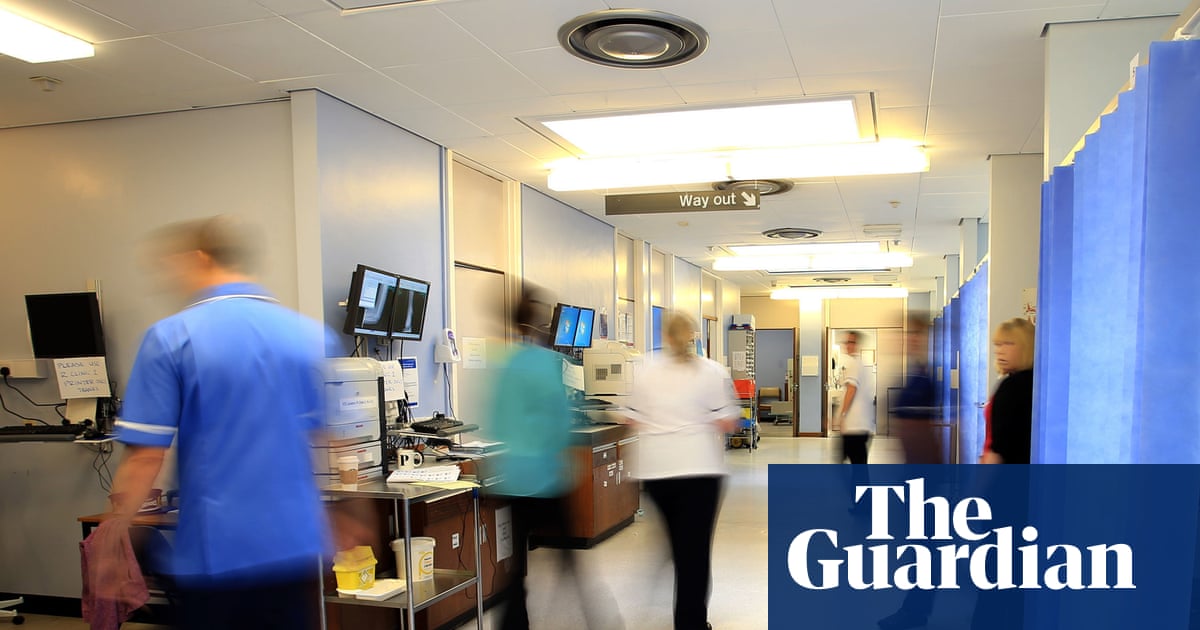
- Core Development: NHS England has met its 18-week referral-to-treatment benchmark as waiting lists fall for the fifth consecutive month. Experts warn the progress relies on short-term funding sprints and raise concerns about administrative list removals.
- Beat Context: Categorized under NHS with independent corroboration.
- Reporting Depth: 4 minute analytical read synthesized from verified newsroom sources.
Hospitals in England have officially hit a critical performance milestone, reaching a target to ensure that 65% of patients receive routine treatment within 18 weeks. Data published on Thursday, 14 May 2026, confirms that 65.3% of patients were seen within this timeframe during March. This achievement marks the first time the NHS has met this specific referral-to-treatment benchmark since November 2021.
The government and health leaders have positioned the result as a pivotal development in the effort to restore waiting times to the constitutional standard of 92% by 2029. Wes Streeting, serving as health secretary at the time of the announcement, stated that the figures demonstrated the current strategy for the health service was yielding results.
Media additions


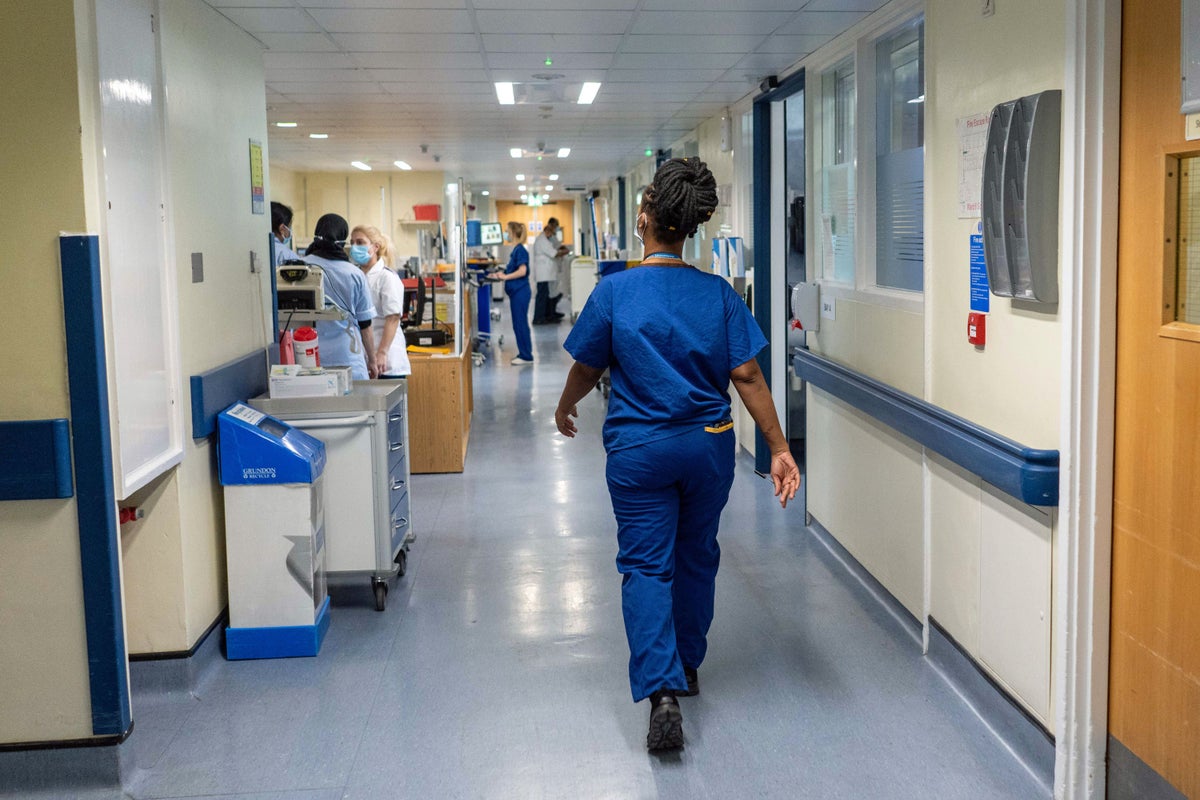
"Our plan for the NHS is working. This is the biggest cut in waiting lists in a single month in 17 years."
Wes Streeting, Health Secretary, via The Guardian
Progress and Context
The statistical improvement arrives following months of concerted effort, with the total number of people on the waiting list falling for the fifth consecutive month. By the end of March, there were approximately 7.11 million treatments waiting to be carried out, down from 7.22 million at the end of February. This reduction is significant, representing the lowest waiting list total since summer 2022. Additionally, the number of patients waiting more than a year for routine treatment dropped to 94,406, the lowest level recorded since July 2020.
Sir Jim Mackey, chief executive of NHS England, characterised the result as a huge moment
for the organisation, noting that the gains were made despite the challenges of the busiest winter on record and multiple rounds of industrial action by staff. According to NHS England, the service performed a record 29.9 million diagnostic procedures over the last financial year.
Questions Regarding Sustainability
Despite the official milestone, experts and industry bodies have raised questions regarding the methods used to achieve the target and the sustainability of the current trajectory. Much of the progress was linked to a specific sprint
period supported by £120 million in additional funding, which encouraged trusts to accelerate elective care and conduct "validation" exercises on their waiting lists.
Sarah Woolnough, chief executive of The King’s Fund, described the result as a significant achievement
but warned that the reliance on concentrated bursts of funding could prove problematic.
"It brings into question whether reaching the eventual 92% target by rinsing and repeating this sequence of 'elective sprints' is financially feasible or manageable for already stretched NHS staff."
Sarah Woolnough, Chief Executive of The King’s Fund, via BBC
There are also concerns regarding the transparency of the reduction in waiting lists. Analysis of the data reveals a notable rise in "unreported removals"—patients removed from waiting lists due to reasons such as duplicate records or incorrect data. In March, these removals accounted for 17.1% of all list exits, the highest proportion since February 2024.
Uneven Recovery
While the national target was met, performance remains inconsistent across the country. Reports indicate that four in 10 hospital trusts failed to meet their individual targets, with some experiencing a decline in performance. while progress was made on elective waiting times, targets for A&E and cancer care were missed. For instance, the target for 75% of cancer patients to begin treatment within 62 days of an urgent referral was not reached, with performance sitting at 72.8% in March.
Tim Mitchell, of the Royal College of Surgeons of England, noted that while staff are working at capacity, the broader infrastructure remains a bottleneck.
"Too many teams are still working in ageing buildings with too few theatres and beds. Without addressing these constraints, progress for patients already waiting will remain fragile."
Tim Mitchell, Royal College of Surgeons of England, via BBC
What to Watch Next
- Cancer and A&E Performance: With these specific areas missing March 2026 targets, scrutiny will remain on whether the government can bring these metrics in line with operational standards.
- Data Transparency: Calls from the BMA and other bodies for greater clarity on "unreported removals" are likely to persist as stakeholders examine how much of the waiting list reduction is due to clinical treatment versus administrative cleaning.
- Long-term Funding: The government faces the challenge of whether it can maintain the current pace of reduction without relying on additional, short-term "sprint" cash injections.
As the health service looks toward the 2027 and 2029 goals, the focus will shift from these interim targets to long-term capacity building. For now, the latest waiting list data suggests a cooling of the backlog, even as the system grapples with record levels of underlying demand.
How significant is this development?
Contribute your assessment to the aggregated reader sentiment ledger.
Frequently Asked Questions
Key questions answered in this reportWhat is the key development in: NHS England hits 18-week hospital treatment target as waiting lists fall?
NHS England has met its 18-week referral-to-treatment benchmark as waiting lists fall for the fifth consecutive month. Experts warn the progress relies on short-term funding sprints and raise concerns about administrative list removals.
Why is this NHS development significant for the UK?
This report covers critical events in our NHS beat. Independent reporting monitors related UK statements, regulatory shifts, and public responses as further verified details emerge.
How was this reporting corroborated and verified?
Newsarchy UK compiles and cross-references reporting from primary reporting from bma.org.uk and cross-checked wire reports. All coverage adheres to published editorial standards.
When was this report published?
This briefing was published on July 15, 2026 and is permanently cataloged in the Newsarchy UK NHS archives.