Nats chief Martin Rolfe faces calls to resign following UK flight chaos
National Air Traffic Services chief Martin Rolfe is facing pressure to step down after a technical failure grounded more than 2,000 UK flights.
National Air Traffic Services chief Martin Rolfe is facing intense pressure to step down following a severe technical meltdown that grounded more than 2,000 flights across the United Kingdom, leaving hundreds of thousands of travellers stranded at major aviation hubs. The critical failure, which originated in the flight data processing system at the organisation's Swanwick Centre in Hampshire, has reignited long-standing concerns over the resilience of Britain’s core transport infrastructure and triggered sharp recriminations between airlines and air traffic controllers.
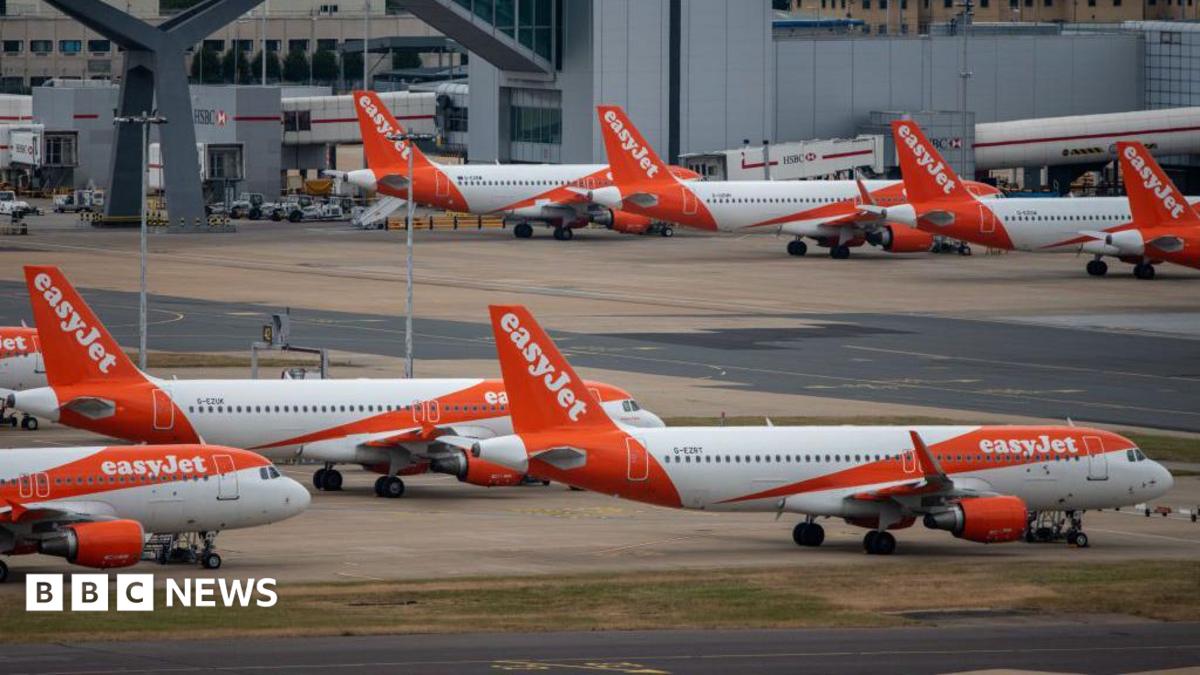
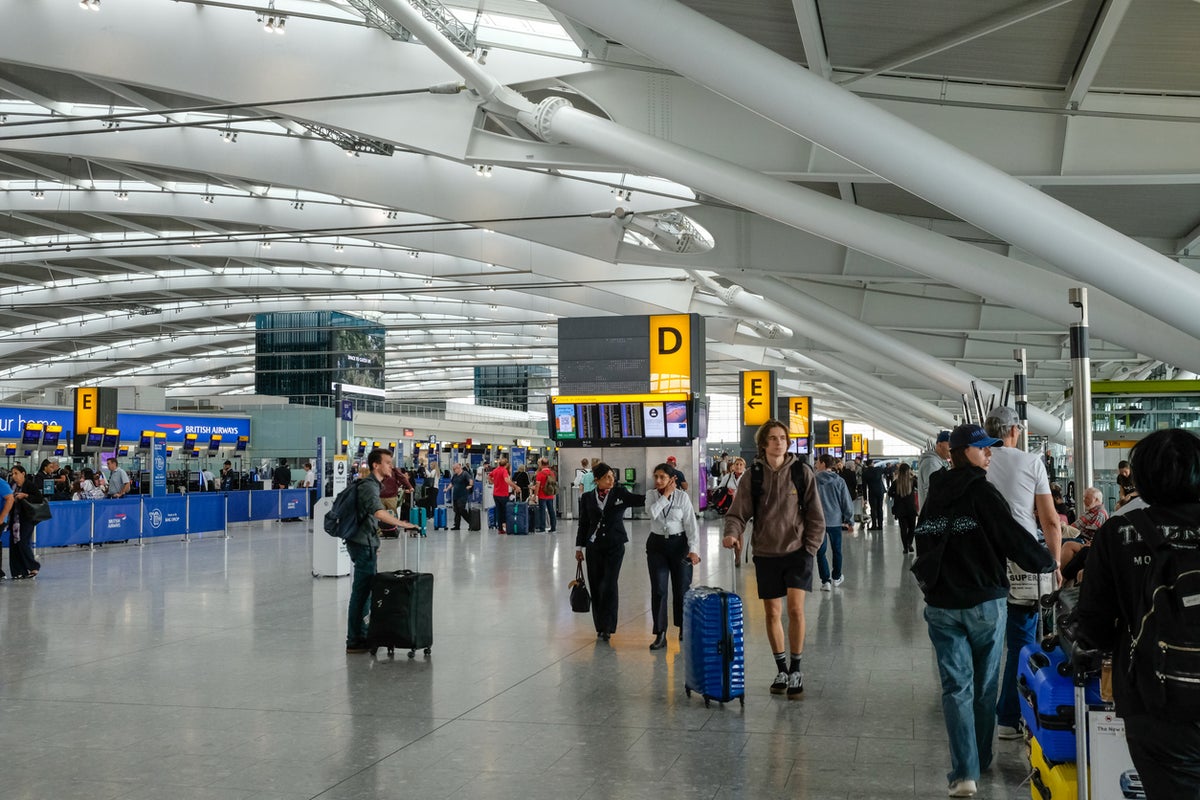
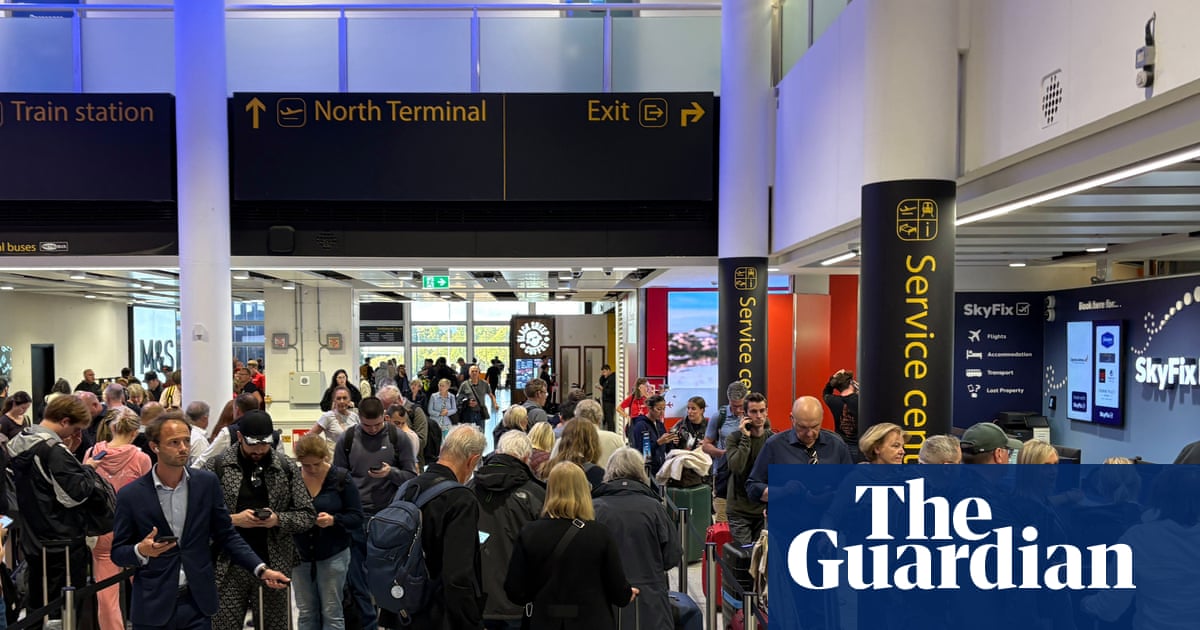
The disruption erupted after Nats issued an alert over a software fault that crippled flight plans and air traffic flow management. Although engineers implemented a fix within hours, the cascading effects rippled across flight schedules for days, forcing airlines to cancel hundreds of services while repositioning stranded aircraft and weary crews. Aviation analytics firm Cirium reported that the resulting cancellations affected massive numbers of passengers, with hubs like London Heathrow and London Gatwick absorbing the brunt of the operational gridlock. Passengers recounted enduring hours confined to aircraft on tarmacs, sleeping on terminal floors amid overwhelmed baggage reclaim areas, and scrambling to secure scarce hotel rooms.
Media additions


Political fallout followed swiftly. Transport Secretary Heidi Alexander summoned Martin Rolfe to account for the collapse, stating publicly that she did not believe the system failure was unavoidable. According to The Standard, the transport secretary tasked Rolfe with compiling a comprehensive report on the technical breakdown within a week. Furthermore, Alexander ordered the Civil Aviation Authority to launch an independent review into the incident, which will report back in due course. The turmoil marks the third major technical fault suffered by Nats in a three-year span, intensifying scrutiny over the lack of an effective back-up system.
Industry leaders wasted no time translating frustration into direct calls for accountability. Ryanair chief operating officer Neal McMahon labeled Rolfe an overpaid failing boss and demanded his immediate resignation according to The Independent, arguing that assurances made to Parliament following previous collapses proved worthless. Airlines UK chief executive Tim Alderslade also criticized the current regulatory framework reported The Guardian, pointing out that airlines are routinely forced to absorb the financial costs of disruption while the responsible organizations face little to no financial consequence. British Airways joined other carriers in demanding that air traffic control vulnerabilities be addressed as an urgent priority.
| Airport | Operational Status & Impact | Regulatory Context |
|---|---|---|
| London Heathrow | Severe cancellations and delays; hundreds of flights affected | Extraordinary circumstances apply; no cash compensation |
| London Gatwick | Schedule recovery underway following significant groundings | Extraordinary circumstances apply; no cash compensation |
| Manchester | Widespread knock-on delays and passenger backlogs | Extraordinary circumstances apply; no cash compensation |
| Birmingham | Operations stabilizing after initial air traffic restrictions | Extraordinary circumstances apply; no cash compensation |
For stranded travellers seeking redress, the regulatory outlook remains grim. The Civil Aviation Authority announced that the outage will be treated as the result of extraordinary circumstances under passenger rights legislation. Consequently, impacted individuals are unlikely to be entitled to fixed statutory cash compensation for delays or cancellations directly caused by the incident. Legal experts confirmed that air traffic control restrictions typically fall outside an airline's direct control, shielding carriers from standard compensation payouts.
Despite the lack of compensation, passenger rights to care and assistance remain intact. Under UK rules, airlines are legally required to provide stranded customers with food, refreshments, and hotel accommodation for overnight delays, regardless of the root cause. Passengers faced with unresponsive customer service desks have been advised to keep detailed receipts of reasonable expenses incurred while arranging their own care. Travellers whose journeys were cancelled are also entitled to a full refund or alternative rerouting to their final destination at the earliest opportunity.
As flight schedules gradually return to normal, attention turns toward upcoming legislative battles and accountability measures. Meanwhile, Martin Rolfe faces the daunting task of delivering his mandated incident report to government officials while fending off ongoing demands for his departure from furious airline executives and passengers alike.