Ryanair boss says he has ‘no doubt’ air fares will increase next year
Ryanair boss Michael O'Leary has warned that air fares will increase next year as rising crude oil prices and surging jet fuel costs pressure the aviation industry.

- Core Development: Ryanair boss Michael O'Leary has warned that air fares will increase next year as rising crude oil prices and surging jet fuel costs pressure the aviation industry.
- Beat Context: Categorized under Transport with independent corroboration.
- Reporting Depth: 3 minute analytical read synthesized from verified newsroom sources.
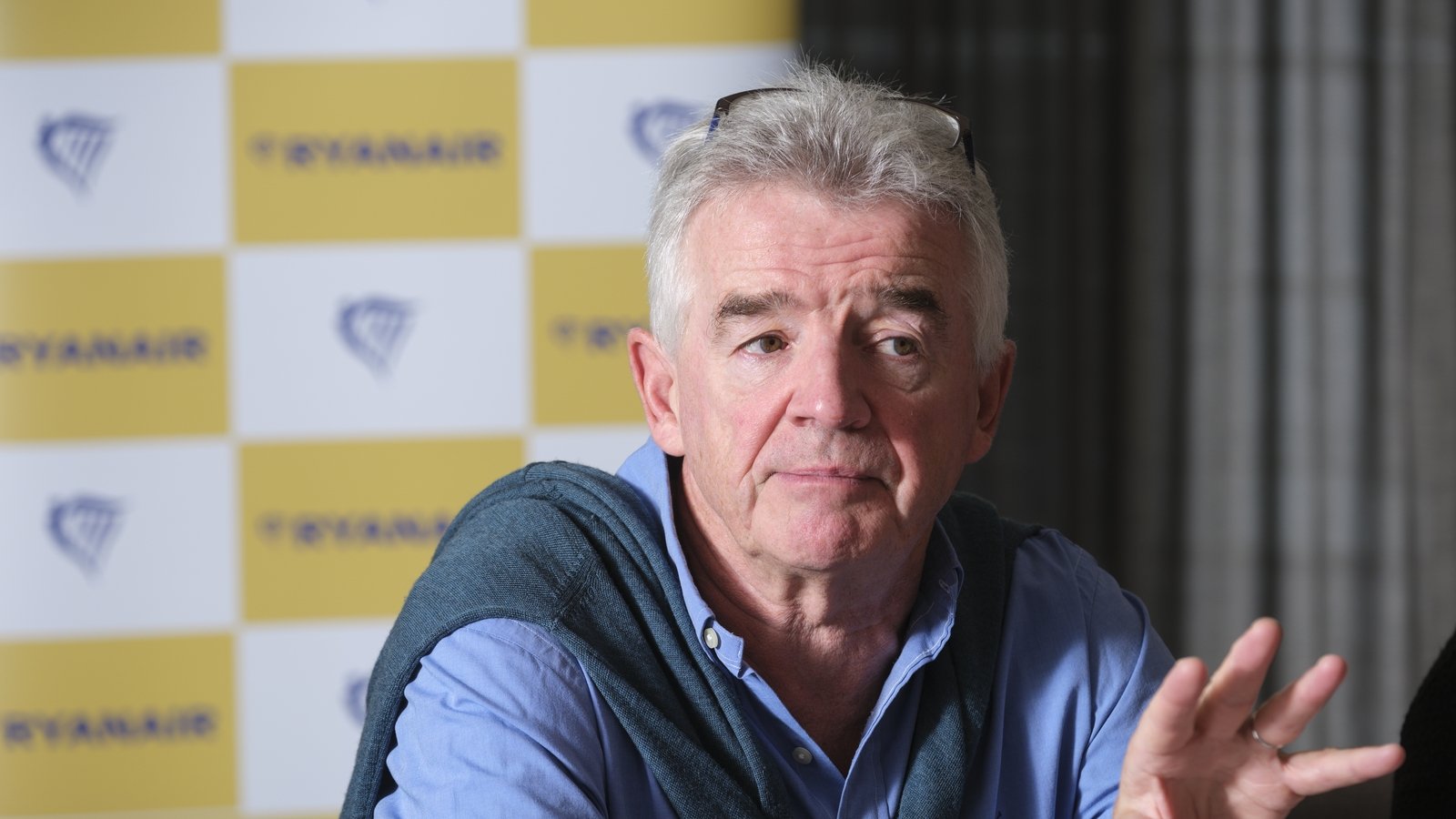
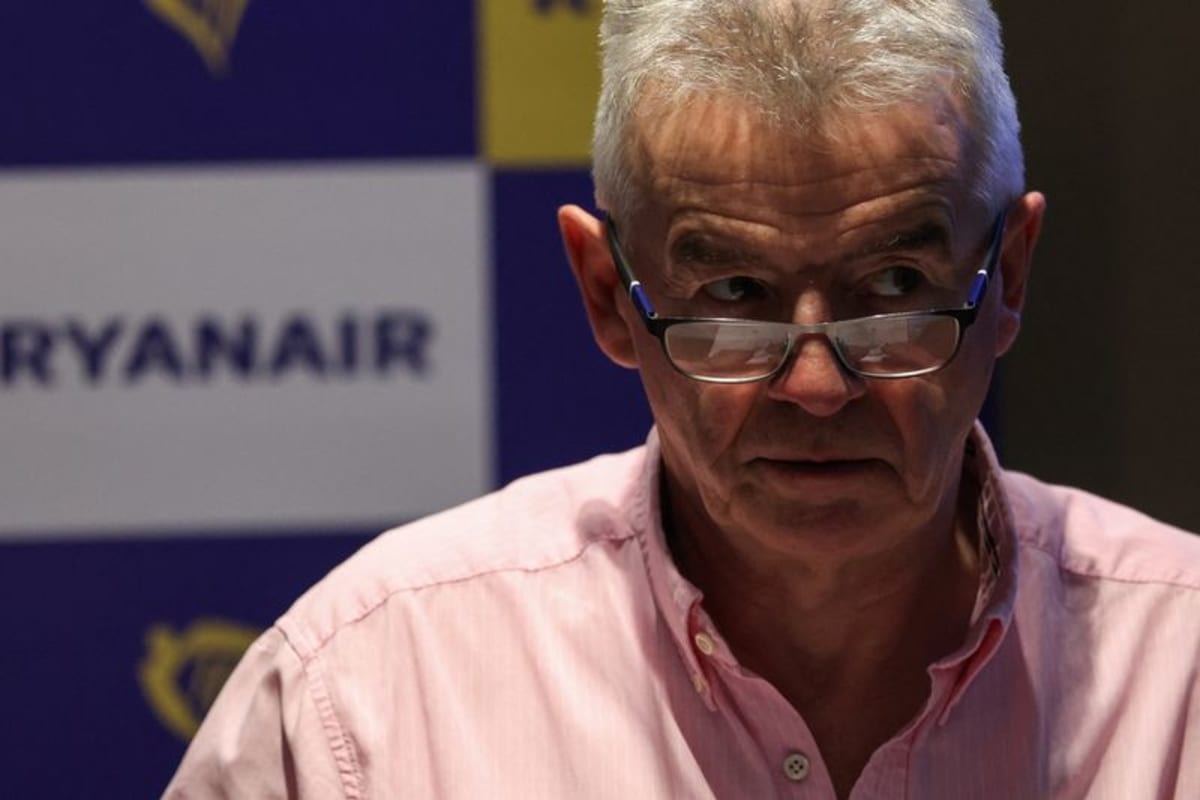
Michael O'Leary, chief executive of low-cost carrier Ryanair, has stated he has "no doubt" that air fares will climb next year for summer travellers. Speaking to journalists in London during a press conference on Wednesday, Mr O'Leary asserted that ticket prices were "only going one way," which is "significantly upward."
The stark warning arrives as ongoing conflict involving Iran continues to destabilize global energy markets. Earlier this month, crude oil climbed past $100 per barrel for the first time since July, driven by the latest round of strikes in the conflict and heightened regional tensions in the Middle East. Additional pressure has stemmed from fears of potential supply disruptions due to tensions in the Strait of Hormuz, a key waterway for the global oil market, combined with potential attacks on energy infrastructure that have led traders to push crude prices higher in anticipation of possible shortages.
Media additions
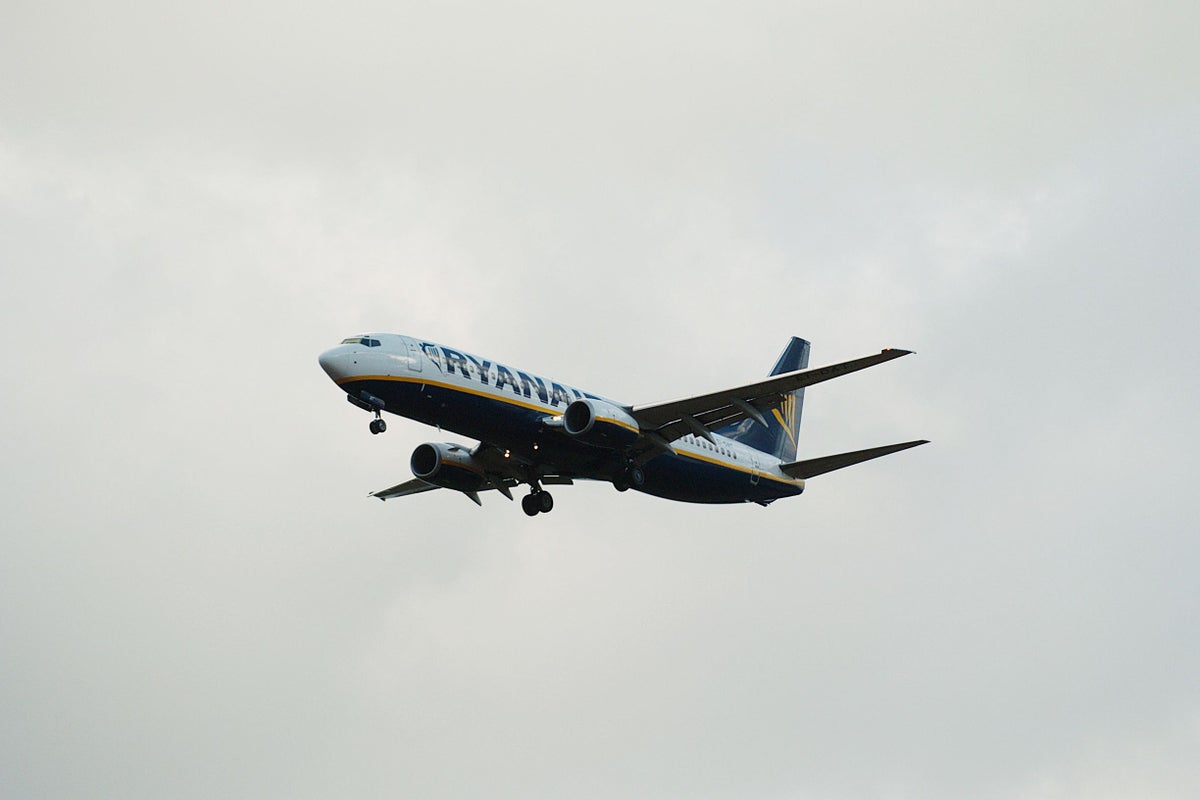
According to figures released by the International Air Transport Association (IATA), the average global cost of jet fuel surged by 7.4% over a single weekly period compared to the previous week, reaching $194.90 per barrel. Mr O'Leary explained the direct financial implications of these market shifts for Europe's biggest airline. We're essentially hedged this year at about $80 a barrel. If we hedge next year at $100 a barrel, our oil bill goes up by 25 per cent,
he told reporters. He noted that the carrier's oil bill this year sits at six billion, and if it goes up by 25%, that amounts to seven-and-a-half billion next year.
Financial pressures across the wider aviation sector have already claimed casualties. Global airlines have struggled with the spiralling cost of jet fuel, with airBaltic becoming the latest carrier to announce it was entering Chapter 11 bankruptcy proceedings.
Despite these mounting industry-wide pressures, Ryanair has made a firm commitment regarding passenger billing strategies. Group CEO Mr O'Leary stated that the airline "will not levy a fuel surcharge," contrasting Ryanair's approach with what he predicts from legacy competitors next summer. Nevertheless, Mr O'Leary stated that overall fares for Ryanair passengers and travelers on other networks will rise materially heading into the summer of 2027.
Expressing his outlook on competitor pricing, Mr O'Leary said he expected airfares at other carriers to rise by 10% to 20% next summer. He added: None of us will be able to absorb those much higher oil prices next year ... and it will get passed on in the form of fuel surcharges on higher airfares. Ryanair will not levy a fuel surcharge, but the legacy guys certainly will next summer.
To mitigate exposure to unhedged jet fuel through the winter months, Ryanair has proactively scaled back its air traffic target for next year and trimmed its fiscal 2027 passenger forecast from 216 million down to 214 million. Concurrently, the carrier anticipates that elevated operating expenses will accelerate European market consolidation. Mr O'Leary remarked that he very much hoped jet fuel prices would rise faster into next year because that would accelerate the extent to which other airlines fail, ultimately narrowing major European operators down to four primary groups: BA (British Airways), Lufthansa, Air France and Ryanair.
Amid these broader market developments, Ryanair is already in talks with airports concerned that capacity will be cut by further airline bankruptcies. Additional fleet developments remain underway alongside these economic countermeasures. The airline expects to receive its first 15 737 MAX 10 jets next Spring, following an initial order of 150 MAX 10s in 2023 with options for another 150. Formal regulatory certification of the aircraft is anticipated in the coming weeks.
How significant is this development?
Contribute your assessment to the aggregated reader sentiment ledger.
Frequently Asked Questions
Key questions answered in this reportWhat is the key development in: Ryanair boss says he has ‘no doubt’ air fares will increase next year?
Ryanair boss Michael O'Leary has warned that air fares will increase next year as rising crude oil prices and surging jet fuel costs pressure the aviation industry.
Why is this Transport development significant for the UK?
This report covers critical events in our Transport beat. Independent reporting monitors related UK statements, regulatory shifts, and public responses as further verified details emerge.
How was this reporting corroborated and verified?
Newsarchy UK compiles and cross-references reporting from primary reporting from rsvplive.ie and cross-checked wire reports. All coverage adheres to published editorial standards.
When was this report published?
This briefing was published on September 24, 2026 and is permanently cataloged in the Newsarchy UK Transport archives.


