EU extends Russia sanctions to 2029, removing two oligarchs
The European Union extended its Russia sanctions package for 36 months until September 2029, securing unanimous approval by removing Russian billionaires Alisher Usmanov and Mikhail Fridman from the blacklist.

- Core Development: The European Union extended its Russia sanctions package for 36 months until September 2029, securing unanimous approval by removing Russian billionaires Alisher Usmanov and Mikhail Fridman from the blacklist.
- Beat Context: Categorized under Transport with independent corroboration.
- Reporting Depth: 3 minute analytical read synthesized from verified newsroom sources.
The European Union finalized an agreement to extend its sweeping sanctions package against Russia for an unprecedented 36 months, preserving roughly 3,000 asset freezes, travel restrictions, and economic limitations until 22 September 2029. The historic shift away from traditional renewal cycles came at a steep political cost, however, as member states agreed to remove two high-profile Russian billionaires — Alisher Usmanov and Mikhail Fridman — from the blacklist to secure unanimous approval before the midnight expiration deadline.
According to reporting from Yahoo News, the prolonged diplomatic deadlock was broken only when Latvia agreed to stop blocking the Franco-Slovak plan to delist Usmanov and Fridman. Because all EU votes on sanctions policy require unanimity, the refusal of a single government threatened to let the entire sanctions regime lapse. The Council of the European Union confirmed that the review also dropped restrictions against three deceased individuals, a Ukrainian national and former rector at Crimea Federal University named Andrey Pavlovich Falaleev, and one legal entity.
Media additions
The push to remove Usmanov and Fridman exposed sharp fractures within the bloc. Finance reported that France cited national security grounds for its push to rehabilitate Usmanov, while diplomatic sources indicated Paris acted under pressure from Azerbaijan, which was holding at least two French nationals in a potential prisoner swap context. Luxembourg supported the removal of Fridman to protect its own legal standing, noting that Fridman had launched massive arbitration proceedings seeking roughly €16 billion (approximately $18.3 billion) over frozen assets.
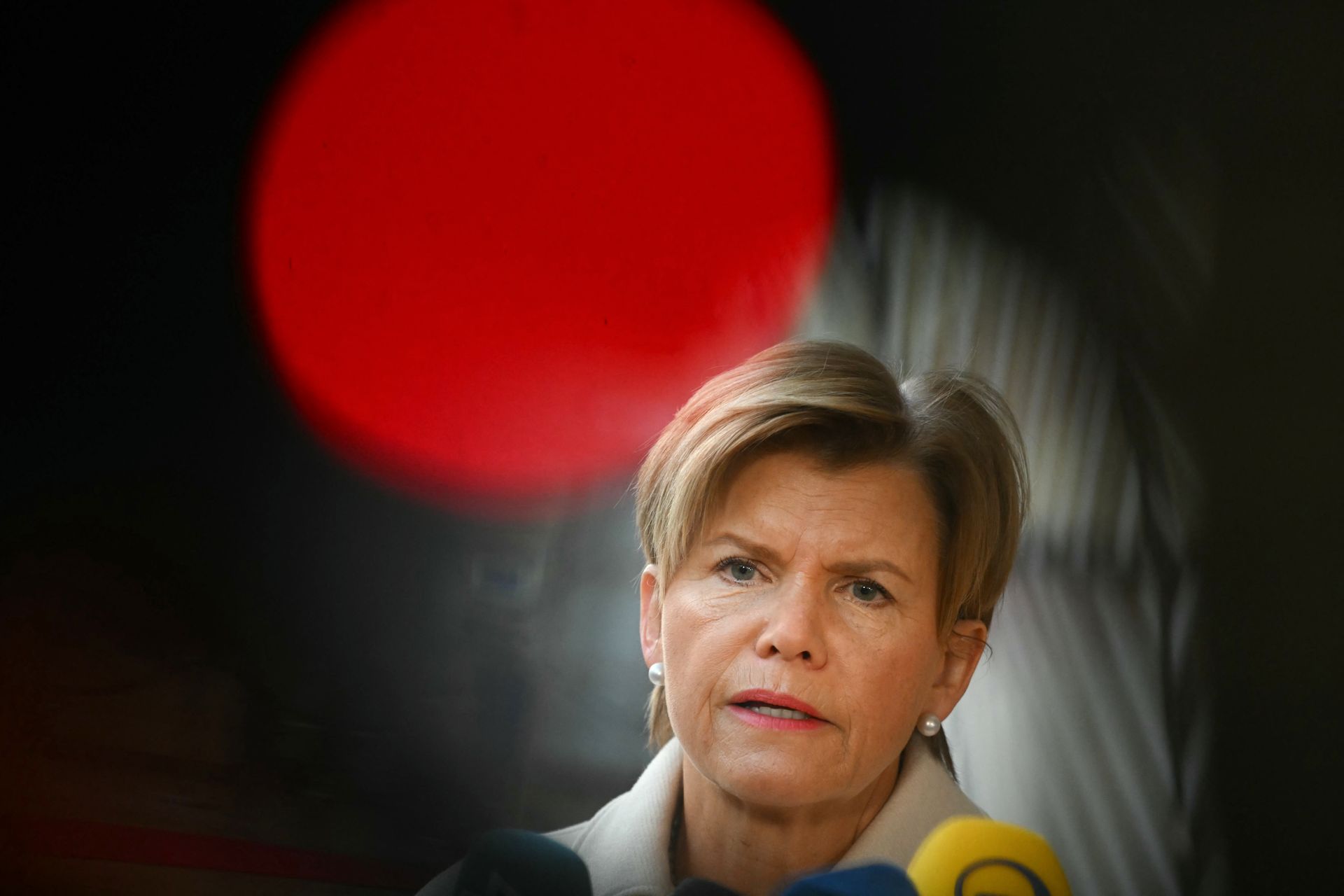
Latvian Foreign Minister Baiba Braze condemned the outcome in a statement reported by The Kyiv Independent, calling the decision to drop the two oligarchs unprecedented and dangerous. Although Riga mounted the final resistance before backing down, Latvian Prime Minister Andris Kulbergs described the maneuver as a choice between a bad solution and a much worse one that would have allowed thousands of other sanctions to evaporate. In exchange for the concession, the Latvian government secured new commitments from France to start negotiations regarding French nuclear deterrence initiatives and bolster air defense presence in the Baltic nation, as highlighted by Yahoo News.
The mechanics of the new agreement contrast sharply with prior renewal practices, as detailed by EU Today and Kyiv Post. Previously, individual sanctions under the Ukraine territorial-integrity regime required renewal every six months, creating recurring windows for individual governments to leverage veto power. Extending the duration to three years minimizes internal friction, though analysts note it risks cementing dangerous precedents for legal challenges by other blacklisted figures.
| Sanction Metric | Previous Practice | New Framework (Effective Sept. 22, 2026) |
|---|---|---|
| Renewal Cycle | Every 6 months (with occasional 7-day stopgap extensions) | Every 36 months (through September 22, 2029) |
| Scope of Listings | Approximately 2,600 to 3,000 individuals and entities | Approximately 3,000 individuals and entities (minus Usmanov, Fridman, Falaleev, and one entity) |
| Unanimity Requirement | Required every 6 months, creating repeated leverage points | Locked in for three years, insulating bulk listings from frequent bargaining |
Ukraine reacted with fury to the compromise. Ukrainian Foreign Minister Andrii Sybiha lambasted the EU's decision as shameful and unjustified, warning that Moscow was celebrating a perceived sense of impunity and European division. Kyiv subsequently urged all member states to implement unilateral national measures against Usmanov and Fridman. Both Estonia and Latvia confirmed they would heed that call by enacting domestic prohibitions to keep the billionaires' assets frozen within their borders.
While the EU finalized its 36-month rollover, Russia countered by expanding its own travel bans against Western decision-makers. Attention now turns to whether other EU capitals will follow the Baltic states in enacting independent national restrictions, or if the departure of Usmanov and Fridman will trigger further legal challenges from remaining oligarchs before the 2029 expiration date.
How significant is this development?
Contribute your assessment to the aggregated reader sentiment ledger.
Frequently Asked Questions
Key questions answered in this reportWhat is the key development in: EU extends Russia sanctions to 2029, removing two oligarchs?
The European Union extended its Russia sanctions package for 36 months until September 2029, securing unanimous approval by removing Russian billionaires Alisher Usmanov and Mikhail Fridman from the blacklist.
Why is this Transport development significant for the UK?
This report covers critical events in our Transport beat. Independent reporting monitors related UK statements, regulatory shifts, and public responses as further verified details emerge.
How was this reporting corroborated and verified?
Newsarchy UK compiles and cross-references reporting from primary reporting from instituteofgeoeconomics.org and cross-checked wire reports. All coverage adheres to published editorial standards.
When was this report published?
This briefing was published on September 23, 2026 and is permanently cataloged in the Newsarchy UK Transport archives.