US forces redirect 70 commercial vessels amid Iran blockade
US military forces have redirected 70 commercial vessels as part of an escalating naval blockade targeting Iran, severely disrupting Middle East energy exports.
- Core Development: US military forces have redirected 70 commercial vessels as part of an escalating naval blockade targeting Iran, severely disrupting Middle East energy exports.
- Beat Context: Categorized under Transport with independent corroboration.
- Reporting Depth: 3 minute analytical read synthesized from verified newsroom sources.
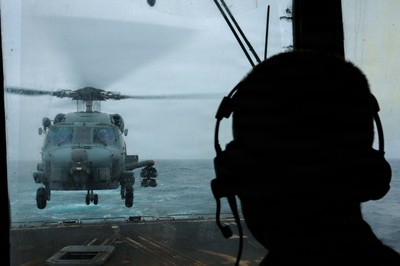
US military forces have redirected dozens of commercial ships operating in the Arabian Sea as part of an ongoing naval blockade targeting Iran, according to Arab Times Online. The maritime enforcement actions underscore an escalating campaign that has severely choked energy shipments across the Middle East. Operations in the region involve guided-missile destroyers monitoring maritime traffic and compelling adherence to the blockade. As of Aug. 23, U.S. Forces have redirected 70 commercial vessels, disabled 3 and boarded 2 to ensure compliance.
The guided-missile destroyer USS John Finn has been actively supporting these operations in the Arabian Sea, maintaining a naval presence to monitor maritime activity and enforce the blockade. These interdictions form part of an economic and military squeeze against Tehran. The disruption has triggered a plunge in regional energy logistics. According to shipping tracking data, Middle East crude exports traveling past the U.S. Navy blockade line plummeted over a seven-day period, down sharply from earlier volumes recorded earlier in the year, as reported by Livemint. TankerTrackers noted that these shipments fell from levels exceeding 19 million bpd recorded in February.
In response to the mounting pressure, Iranian authorities have pushed back against international shipping lanes. The newly established Persian Gulf Strait Authority and the Ports and Maritime Organization issued strict protocols for vessels transiting the Strait of Hormuz. Tehran warned that any ship violating these protocols faces severe penalties, including passage restrictions, financial fines, vessel detention, or outright cargo confiscation. Furthermore, Iranian maritime regulators blacklisted tankers linked to international shipping and energy firms, including crude, LNG, LPG, and clean petroleum product carriers linked to companies such as ADNOC L&S, Navig8 Tankers, Bahri, Stolt Tankers, and Sinokor. Officials stated that ships conducting ship-to-ship transfers or transshipments with blacklisted vessels will also face immediate enforcement actions. Separately, Iranian state representatives condemned the American naval blockade as an act of aggression, insisting that the country will not capitulate to external demands.
The maritime conflict continues to reverberate across global energy markets, intersecting with wider Transport challenges and broader geopolitical confrontations. Washington has signaled that additional financial penalties are imminent. Treasury Secretary Scott Bessent announced plans for new sanctions, describing the impending financial offensive as an economic D-Day intended to sever remaining commercial lifelines to Tehran. Meanwhile, Iranian state media dismissed the threats, while Foreign Ministry spokesperson Esmail Baghaei labeled the blockade an act of aggression and maintained that Tehran has the means to respond.
The economic toll is mirrored inside Iran, where the national currency recently reached a record low on the open market. State officials continue to denounce foreign interference, while military leaders insist the nation is fully prepared for protracted conflict. At the same time, regional diplomatic movements continue as foreign officials hold discussions in Tehran regarding the unfolding crisis.
Key Maritime Enforcement Metrics
- Commercial vessels redirected by U.S. Forces: 70
- Commercial vessels disabled: 3
- Commercial vessels boarded: 2
- Cut in regional crude exports via blockade line: Down to nearly 6 million barrels per day over a seven-day window
As diplomatic channels remain deadlocked and regional posture hardens, market participants are bracing for further fallout. Observers are monitoring whether the naval blockade will tighten further or provoke retaliatory countermeasures from Iranian security forces patrolling the Persian Gulf and the Strait of Hormuz.
How significant is this development?
Contribute your assessment to the aggregated reader sentiment ledger.
Frequently Asked Questions
Key questions answered in this reportWhat is the key development in: US forces redirect 70 commercial vessels amid Iran blockade?
US military forces have redirected 70 commercial vessels as part of an escalating naval blockade targeting Iran, severely disrupting Middle East energy exports.
Why is this Transport development significant for the UK?
This report covers critical events in our Transport beat. Independent reporting monitors related UK statements, regulatory shifts, and public responses as further verified details emerge.
How was this reporting corroborated and verified?
Newsarchy UK compiles and cross-references reporting from primary reporting from livemint.com and cross-checked wire reports. All coverage adheres to published editorial standards.
When was this report published?
This briefing was published on August 24, 2026 and is permanently cataloged in the Newsarchy UK Transport archives.