Zaporizhzhya nuclear plant regains external power after outage
The Russian-occupied Zaporizhzhya nuclear power facility regained an external power supply from the Ukrainian power system, averting an immediate crisis while wider attacks strain the regional grid.
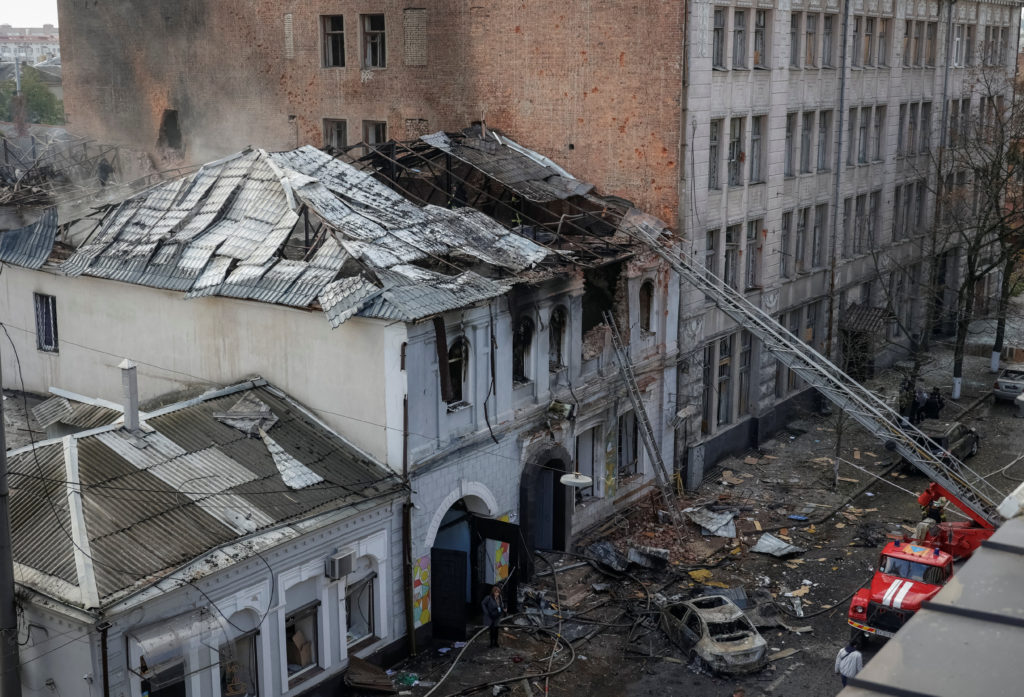
Europe's largest nuclear power station has successfully reconnected to the external power network, averting an immediate radiological crisis according to recent reporting from Radio Free Europe/Radio Liberty, though the broader regional grid remains under severe strain from ongoing conflict.
Power Restored Amid Persistent Danger
The Russian-occupied Zaporizhzhya nuclear facility regained an external power supply from the Ukrainian power system, according to announcements made late on November 8 by Energoatom, Ukraine's nuclear power company. Despite the reconnection, operators and international monitors emphasize that the threat to the facility has not subsided. The site remains under Russian occupation, and officials warn that the risks of recurring power outages and subsequent threats to nuclear and radiation safety persist indefinitely under current conditions.
Media additions
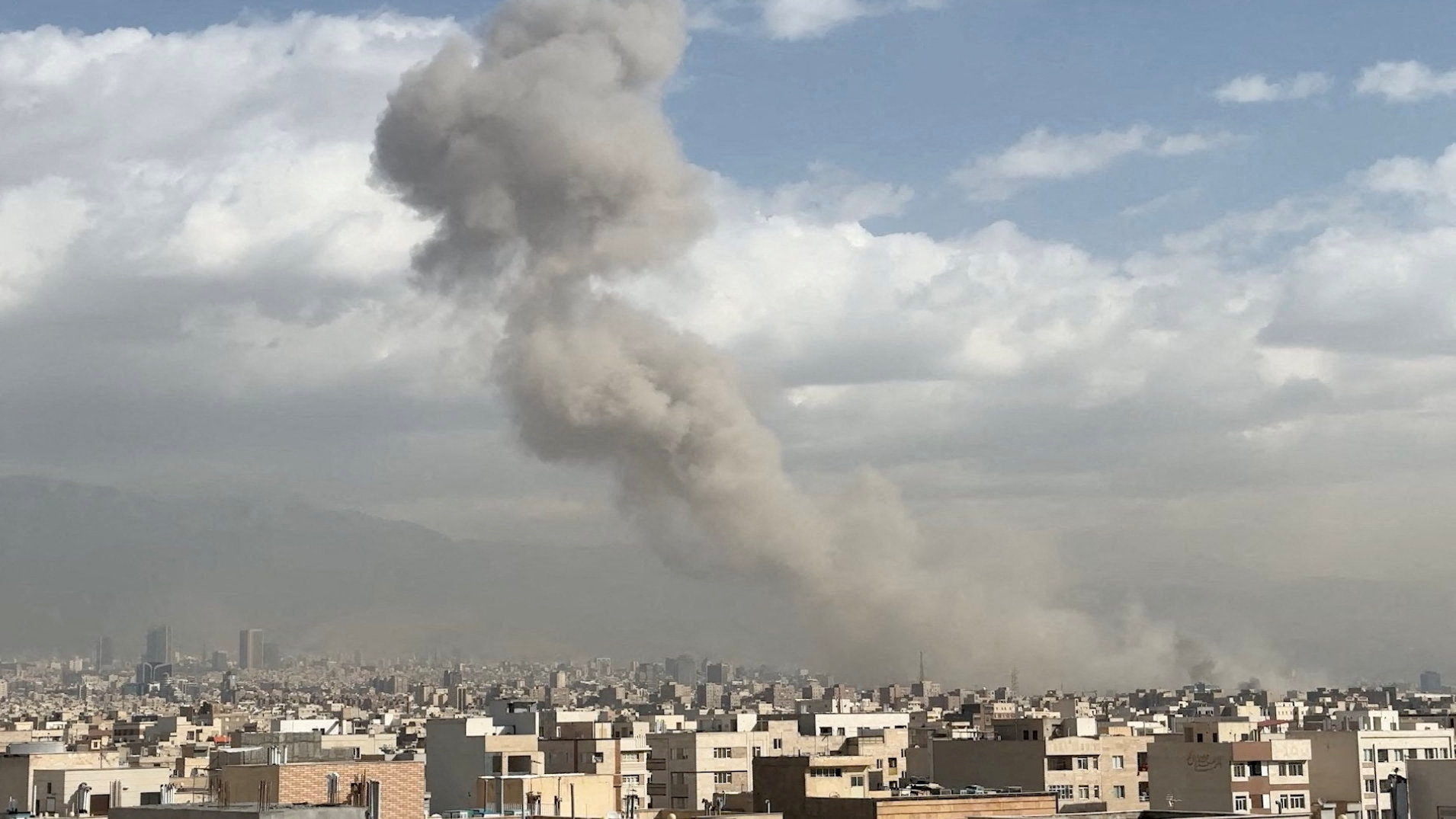

The exact trigger for the blackout remains undetermined. However, Ukrainian authorities concurrently reported heavy Russian attacks targeting energy infrastructure in the adjacent Zaporizhzhya region, which remains under Kyiv's control. Energoatom noted that this incident marked the sixteenth complete loss of external power supply to the facility since the beginning of 2026, attributing the systemic vulnerability directly to the ongoing military occupation.
International oversight bodies have reiterated grave concerns regarding the security of the plant. Rafael Grossi, chief of the International Atomic Energy Agency, has called for an immediate halt to military actions directed at nuclear facilities and their personnel, characterizing such operations as unacceptable hazards to regional and international safety.
| Metric / Event | Reported Figure | Context |
|---|---|---|
| Zaporizhzhya External Power Loss Incidents | 16th case | Recorded since the beginning of 2026, according to Energoatom. |
| Zaporizhzhya Reactors | 6 reactors | Europe's largest nuclear power station, seized by Russian forces in February 2022. |
Wider Energy Infrastructure Under Attack
The restoration at the nuclear station coincides with a broader campaign of aerial assaults directed against civilian and energy targets across multiple regions. Russian strikes on the power grid in the eastern Dnipropetrovsk region left emergency crews working to restore electricity to approximately 600,000 people, as detailed by Radio Free Europe/Radio Liberty. Oleksandr Hanzha, the regional military chief, stated that hospitals were forced to rely on diesel generators and electric-powered public transport in the regional capital of Dnipro ground to a halt. Repair efforts by power company workers were reportedly hindered by ongoing shelling.
Further strikes affected the Poltava and Odesa regions, causing structural damage and additional power cuts. In Odesa, drone strikes hit electricity distribution centers, prompting regional military administrator Oleh Kiper to confirm that energy workers were deploying all available resources to restore service to northern districts despite continuous air raid alerts. Similar patterns of infrastructure targeting were documented across multiple administrative divisions, including Kyiv, Chernihiv, Kirovohrad, Vinnytsia, Cherkasy, and Sumy, as documented in broader reporting from PBS.
Additional reporting from PBS indicates that waves of Russian drones and missiles struck sites across Ukraine, killing at least six people and wounding many others. In Kyiv, a strike set fire to a residential house, killing a mother and her young children, while other strikes caused rolling blackouts and prompted emergency services to rescue residents trapped in high-rise buildings.
Diplomatic Context and International Sanctions
The energy disruptions run parallel to shifting diplomatic frameworks and economic measures. U.S. Treasury Secretary Scott Bessent announced new sanctions targeting Russia's primary oil entities, Rosneft and Lukoil, alongside numerous subsidiaries, citing Moscow's refusal to conclude the conflict. These financial penalties arrive as international stakeholders prepare for upcoming discussions in Abu Dhabi and subsequent multilateral meetings in Europe, focused on exploring potential security architectures and diplomatic resolutions.
What to Watch Next
- Upcoming multilateral diplomatic talks scheduled in Abu Dhabi involving international delegations.
- Assessments by the International Atomic Energy Agency regarding the stability of external power lines at the Zaporizhzhya nuclear facility.
- The implementation and enforcement of newly expanded international sanctions against major Russian energy companies.
- Continued emergency repairs by local energy crews addressing grid damage across affected regions.


