London faces disruption and health alerts during week-long 34C heatwave
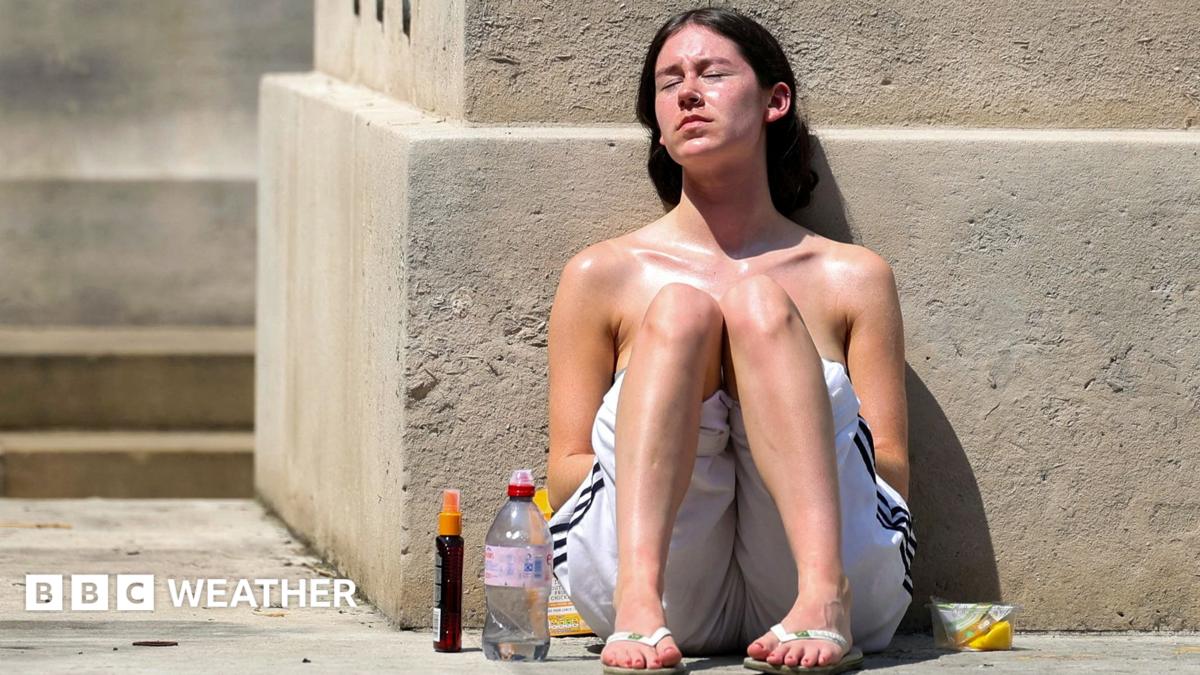
London is experiencing its third heatwave of the year, triggering an amber health alert and causing significant strain on transport and emergency services.
- Core Development: London is experiencing its third heatwave of the year, triggering an amber health alert and causing significant strain on transport and emergency services.
- Beat Context: Categorized under Weather with independent corroboration.
- Reporting Depth: 3 minute analytical read synthesized from verified newsroom sources.
London remains in the grip of a persistent, multi-day heatwave as of Saturday, 11 July 2026, marking the third such event in the capital this year. The city has experienced a prolonged stretch of elevated heat following a peak temperature of 34C recorded in Teddington on Monday, 6 July. While this event is not expected to reach the extreme peaks of 37.7C seen in June, meteorologists highlight its duration as a significant concern, with temperatures consistently tracking above the 28C heatwave threshold for London. Forecasts suggest this heat could persist in some areas for as many as 14 days.
The Met Office has noted that while temperatures may track slightly lower than previous records, the heat is expected to continue through the weekend and into the following week. An amber heat-health alert, issued by the UK Health Security Agency (UKHSA), remains in effect until 9pm on Sunday, 11 July. This alert signifies that significant impacts on health and social care services are likely, with an increased risk of mortality, particularly for residents aged 65 and over and those with pre-existing medical conditions.
Media additions
Emergency and Public Services
The London Fire Brigade (LFB) is operating under extreme pressure, having recorded its busiest 24-hour period of the year earlier this week with 1,251 emergency calls. Assistant Commissioner for Operational Resilience and Control Patrick Goulbourne has urged the public to avoid disposable barbecues in public spaces, noting that they retain significant heat long after use.
"The Brigade is ready and prepared to respond to all types of incidents, but we urge everyone to play their part in preventing them. Wildfires, in particular, can take significant time and resources to resolve and can have devastating impacts on communities and livelihoods."
Patrick Goulbourne, Assistant Commissioner for Operational Resilience and Control, via LFB
Transport and Infrastructure
London's transport network is experiencing widespread strain. National Rail has warned that high temperatures can cause steel rails to buckle and overhead electric wires to sag, leading to speed restrictions and cancellations. Operators such as East Midlands Railway have advised passengers to travel only if journeys are essential, ideally before midday. Some services, such as those between Nottingham and Worksop or Leicester, were suspended to mitigate safety risks.
Water demand has also reached critical levels. While Thames Water has stopped short of implementing a mandatory hosepipe ban for its 16 million customers, it has issued an urgent appeal for users to stop using hosepipes and sprinklers.
Economic and Social Impacts
The prolonged heat is taking a toll on productivity and local ecology. Analysis from Oxford Economics suggests the current heatwave will contribute to a 1.5% reduction in UK labour productivity, affecting sectors like construction, hospitality, and manufacturing. Furthermore, hospitality venues have reported significant declines in bookings during such periods.
Hampstead Heath has faced additional management challenges, with the City of London Corporation deploying extra security to deter unauthorised swimming in non-designated ponds, which risks disturbing local wildlife and ignores safety warnings.
What to Watch Next
- Thunderstorm Risk: The Met Office has identified a possibility of showers and thunderstorms developing over London on Friday and Saturday, which may offer temporary relief but could also present flash-flooding risks.
- "Tropical Nights": Forecasters warn of potential nights where temperatures remain above 20C, which may exacerbate sleep deprivation and health risks for vulnerable individuals.
How significant is this development?
Contribute your assessment to the aggregated reader sentiment ledger.
Frequently Asked Questions
Key questions answered in this reportWhat is the key development in: London faces disruption and health alerts during week-long 34C heatwave?
London is experiencing its third heatwave of the year, triggering an amber health alert and causing significant strain on transport and emergency services.
Why is this Weather development significant for the UK?
This report covers critical events in our Weather beat. Independent reporting monitors related UK statements, regulatory shifts, and public responses as further verified details emerge.
How was this reporting corroborated and verified?
Newsarchy UK compiles and cross-references reporting from primary reporting from inkl.com and cross-checked wire reports. All coverage adheres to published editorial standards.
When was this report published?
This briefing was published on July 11, 2026 and is permanently cataloged in the Newsarchy UK Weather archives.


