Uzbekistan Approves Selection Rules for Tourism Businesses
Uzbekistan's Cabinet of Ministers has introduced a formal regulatory framework governing how tourism enterprises are selected for international trade fairs.

Uzbekistan’s Cabinet of Ministers has approved a structured regulatory framework governing how tourism sector enterprises are selected to participate in international exhibitions and fairs. Driven by Resolution No. 467, the administrative regulation establishes a formal procedure for tour operators, accommodation providers, transport and aviation companies, and other related businesses seeking to represent the country abroad. The measure matters now as Tashkent works to standardise international promotion and manage soaring global interest in its Silk Road heritage.
Under the newly enacted rules detailed by Uzdaily, the responsible Centre must publish an official announcement for each international tourism event at least 120 calendar days before it begins, utilising its official website and social media pages. Applicants can submit paperwork digitally through Public Services Centres or the Unified Interactive Government Services Portal. Application windows depend heavily on destination visa frameworks: for visa-required countries, applications run from the announcement date until no later than 100 days before the event, whereas visa-free destinations allow submissions up to 30 days prior.
Media additions

Participating businesses are divided into four distinct categories. The first comprises tour operators, the second covers accommodation facilities, and the third includes transport and aviation organisations. A fourth category accommodates any remaining business entities operating within the wider tourism sector. Places are then distributed according to fixed quotas, ensuring tour operators secure the majority of available slots.
| Participant Category | Allocation Quota |
|---|---|
| Tour Operators | 60% |
| Accommodation Facilities | 15% |
| Transport and Aviation Organisations | 15% |
| Other Tourism Business Entities | 10% |
The formalisation of these selection rules arrives against a backdrop of intense international promotion and surging visitor numbers. According to analysis cited by Qazinform via Uza and Türkiye Turizm, Uzbekistan ranked among the top seven fastest-growing tourist destinations globally, with tourist flows increasing significantly compared to pre-pandemic baselines. Revenues from tourism exports reached substantial figures as foreign tourist arrivals surpassed earlier expectations. Strategic state support, major infrastructure investments, and a visa-free regime extended to citizens of roughly 100 countries have underpinned this growth.
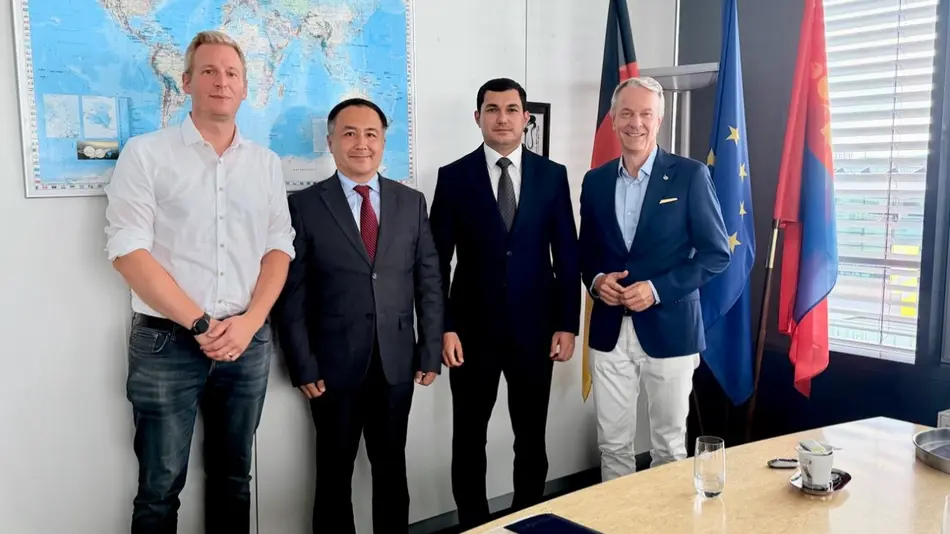
International engagement has also expanded across multiple continents. As reported by UZA, Uzbekistan showcased its culinary traditions, decorative arts, and handicrafts at the VIG festival in Paris, an event held under the patronage of French President Emmanuel Macron. Meanwhile, diplomats from the Consulate General of Uzbekistan in Frankfurt held strategic talks with Messe Stuttgart leadership regarding participation in upcoming European travel fairs, as detailed by Dunyo. Similar promotional pushes reached Karachi via the Pakistan Travel Mart, noted by Caspian Post.
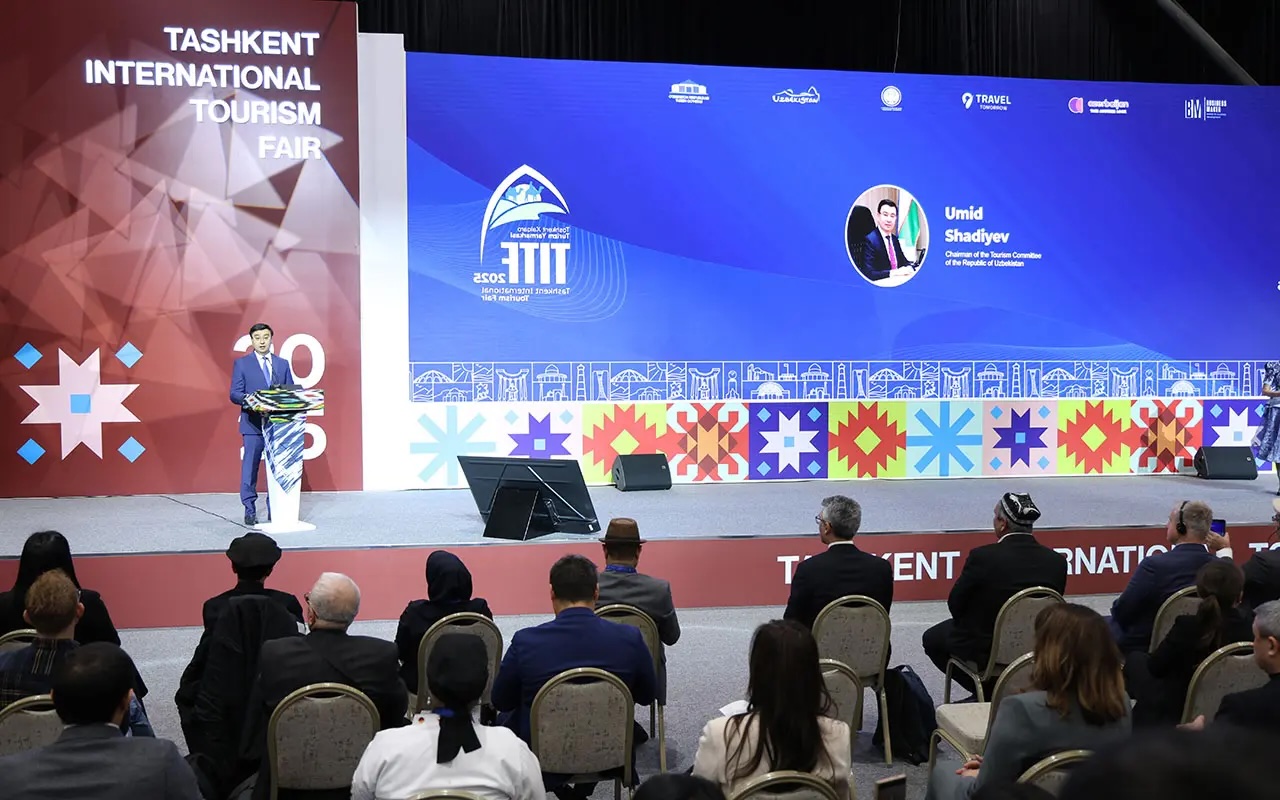
Domestically, the capital hosted major industry showcases. Travel Tomorrow and Daily News Hungary reported on the 30th anniversary edition of the Tashkent International Tourism Fair (TITF), organised with UN Tourism support at the CAEx International Exhibition Center. The event convened global dignitaries, aviation executives, and culinary competitors. Bilateral ties have simultaneously deepened with regional partners like Iran, where officials in Riyadh discussed joint tourism projects, technical committees, and restored heritage monuments, according to the Tehran Times.
As state authorities implement the new administrative regulation and refine support for outbound delegations, tourism bodies are preparing for future international cycles. Stakeholders across the public and private spheres will navigate the newly established 120-day notification timeline and quota allocations ahead of forthcoming global fairs in Europe and Asia.