Russians seek answers over hundreds missing after Ukraine's 2024 incursion
Months after Ukraine's surprise cross-border offensive into the Kursk region, Russian families are struggling to find answers amid state failures and communication blackouts.

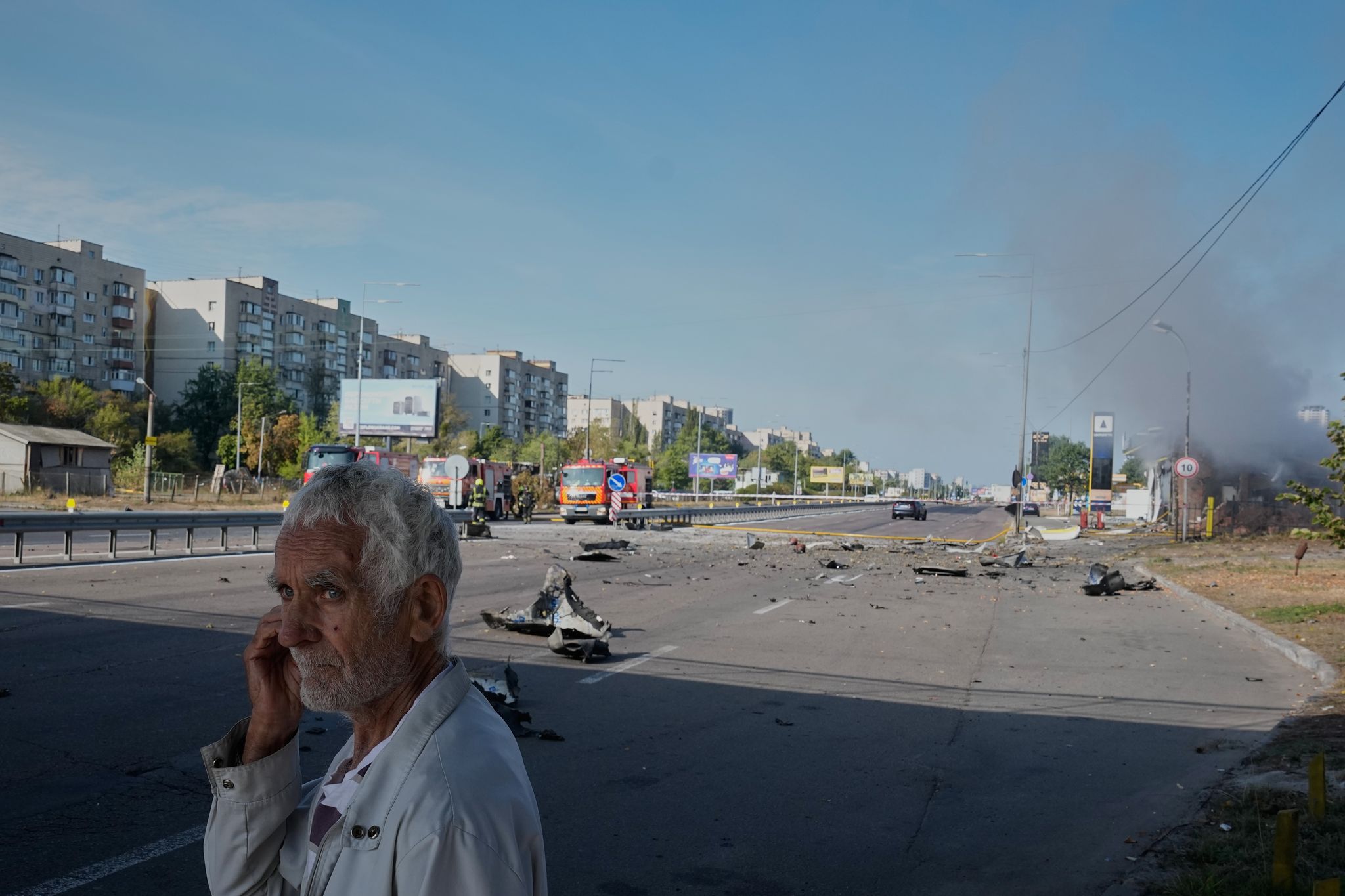
Families across Russia are searching for answers regarding hundreds of individuals still unaccounted for following the August 2024 Ukrainian military incursion into the Kursk region, a cross-border offensive that caught Moscow flat-footed and exposed stark shortcomings in state evacuation and recovery efforts. For months, residents affected by the fighting navigated communication blackouts, bureaucratic indifference, and what survivors describe as misleading state television messaging that assured citizens everything remained under control according to the BBC.
The sudden cross-border push by Ukrainian forces in August 2024 rapidly overran more than 777 sq km (300 sq miles) of Russian territory, driving deep into the Sudzha area and plunging local communities into chaos. While many residents attempted to flee the initial assault, others stayed behind after listening to Russian state television broadcasts that convinced viewers the situation would be resolved within days. For nearly eight months, mobile and internet connections across the captured settlements remained severed, isolating families and preventing them from checking on elderly relatives who refused to evacuate.
Media additions
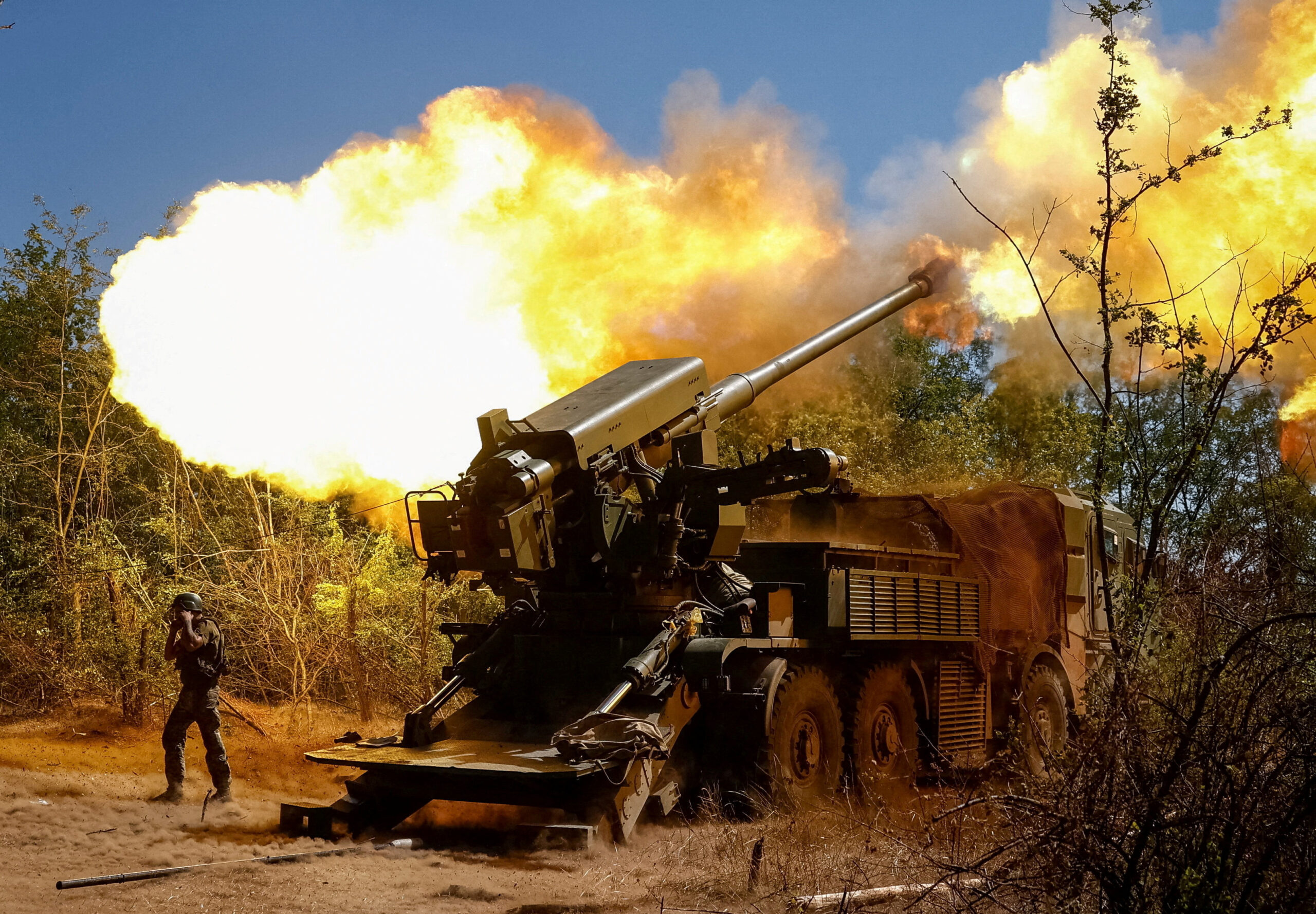
As the BBC reports, grassroots volunteer networks stepped in to fill a vacuum left by authorities, organizing search missions and documenting casualties as heavy fighting destroyed local settlements such as Darino. Official attempts to catalogue the missing drew bitter criticism from grieving residents. Early in 2025, Russia's human rights commissioner published a registry containing 517 names of missing Kursk residents, but families complained the document was shodbily compiled, mixing up the missing with those who were actively searching for them, which relatives described as a severe insult.
| Category | Details from Reporting |
|---|---|
| Kursk Missing (Official estimate) | More than 300 people |
| Human Rights Commissioner List | 517 residents reported missing |
| Territory Overrun (August 2024) | More than 777 sq km (300 sq miles) |
The human toll of the incursion unfolded slowly as Russian forces eventually regained control of the disputed villages and began recovering bodies. In one instance, a resident spent months searching for her mother before discovering her photograph on a mortuary laptop screen in the regional capital of Kursk, months after the elderly woman had died following a head injury. Relatives noted that body bags and fuel for transport vans were financed entirely through private donations and volunteer efforts rather than government support, underscoring a wider institutional failure to manage the humanitarian crisis.
At the same time, the broader geopolitical landscape surrounding the conflict remains mired in complex diplomatic maneuvering and high-intensity combat. Analyses from the Atlantic Council highlight that while Moscow presses forward with slow territorial gains in the Donbas region, its broader objective remains political control over Ukraine rather than limited territorial consolidation. Diplomatic efforts involving international intermediaries have faced repeated friction over territorial demands, security guarantees, and ongoing hostilities that continue to reshape civilian life across the region.
Discussions regarding potential peace negotiations and post-conflict security arrangements have intensified among Western partners, though significant divisions persist over how to enforce a durable settlement. While some leaders have expressed willingness to contribute to reassurance forces, others remain deeply cautious, citing limited military capacity and an uncertain security backstop from Washington. Meanwhile, economic strains continue to mount on both sides of the border, marked by rising inflation, labor shortages, and sustained pressure on industrial and hydrocarbon infrastructure.
For families in the Kursk region, however, the macro-level diplomatic talks offer little immediate solace as they continue sorting through the personal devastation left in the wake of the 2024 offensive. With local authorities and humanitarian organizations offering limited administrative closure, grieving relatives are left to manage the psychological and practical fallout independently.