Brent crude falls below $104 as West Asia supply fears ease
International oil prices dipped below key psychological thresholds as fading supply anxieties in West Asia prompted a broad cooling across global energy markets.

- Core Development: International oil prices dipped below key psychological thresholds as fading supply anxieties in West Asia prompted a broad cooling across global energy markets.
- Beat Context: Categorized under World with independent corroboration.
- Reporting Depth: 3 minute analytical read synthesized from verified newsroom sources.
International oil prices dipped below key psychological thresholds as fading supply anxieties in West Asia prompted a broad cooling across global energy markets, according to The Hindu Business Line. While prices remained elevated following months of geopolitical friction, market sentiment shifted as alternative shipping routes and pipeline repair expectations gained traction.
Global benchmark Brent crude futures dropped below $104 a barrel, while U.S. Benchmark West Texas Intermediate slipped toward the $101 range, extending a downward trend across multiple trading sessions according to Ua. The downward movement was heavily influenced by reports that Saudi Arabia was taking active steps to bypass localized infrastructure bottlenecks. Damage to three pumping stations along the critical East-West pipeline — inflicted by drone strikes linked to Yemen's Houthis — had previously threatened to choke off nearly 4 per cent of global oil supplies.
Media additions
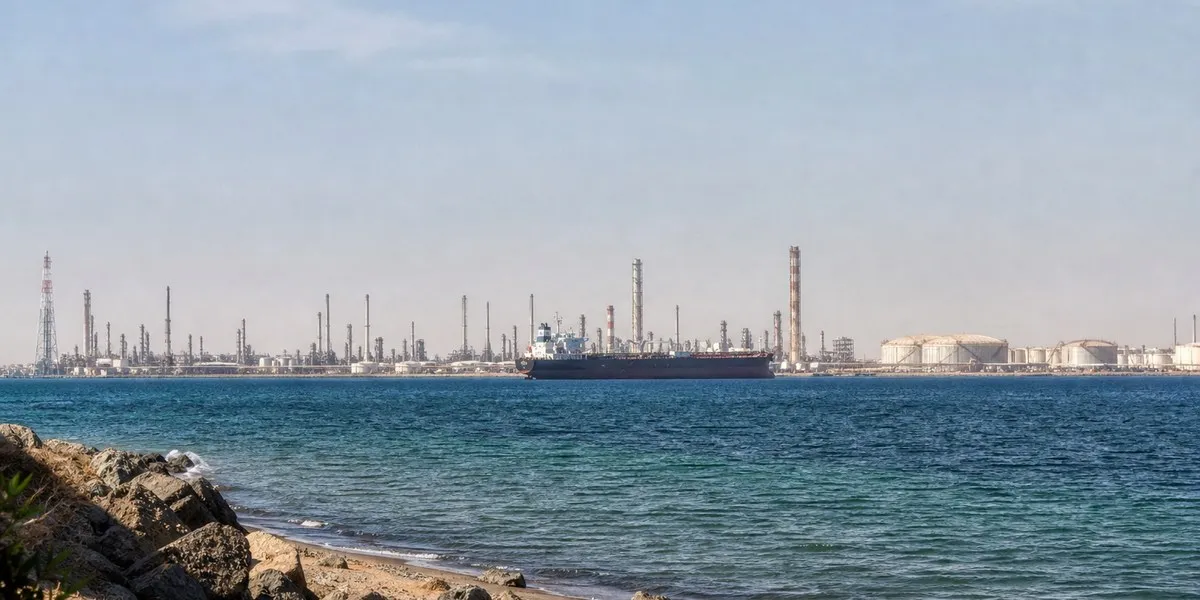
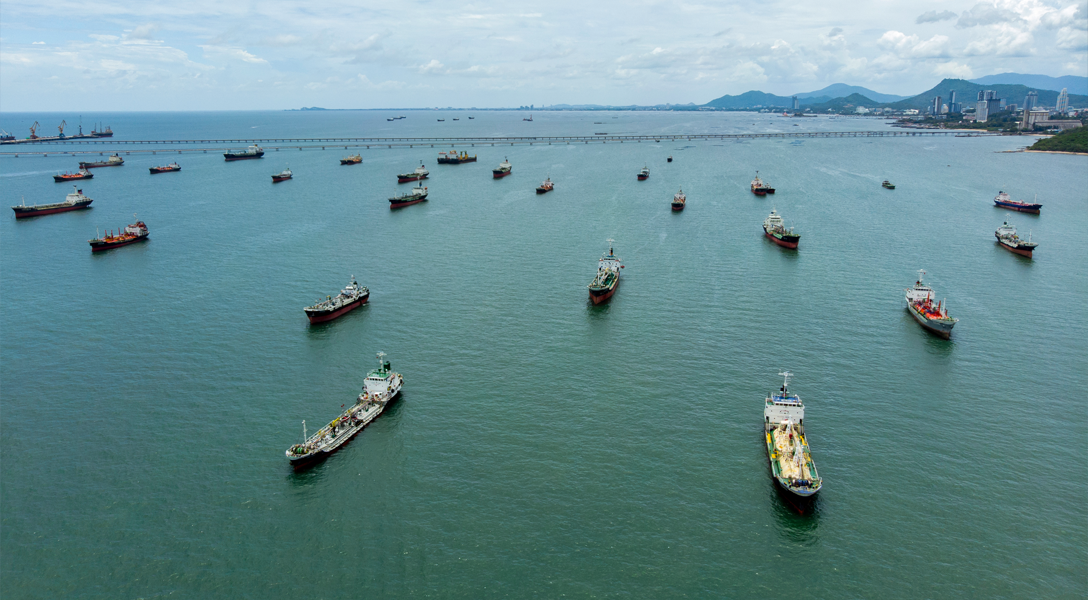
To mitigate the disruption, Saudi Arabia initiated efforts to restore approximately half of the pipeline's operational capacity within days, while simultaneously offering supplementary crude cargoes through ship-to-ship transfers off Oman’s Sohar port. Energy analysts and officials, including U.S. Energy Secretary Chris Wright, pointed to these logistical workarounds as vital buffers against total export paralysis.
| Crude Benchmark | Reported Price Level | Recorded Change |
|---|---|---|
| Brent Crude Futures | $103.99 / $103.77 | Down ~0.79% to 1.00% |
| West Texas Intermediate (WTI) | $101.25 / $100.88 | Down ~0.65% to 1.00% |
The broader macroeconomic landscape remains deeply intertwined with the prolonged conflict in the region. Research from the Federal Reserve Bank of Dallas highlights that major geopolitical disruptions involving key shipping chokepoints, such as the Strait of Hormuz, historically remove substantial percentages of daily global petroleum flows, triggering severe inflationary waves and dampening real gross domestic product growth worldwide. Energy advisors at Ritterbusch and Associates noted that tightening global balances continue to leave markets vulnerable to rapid sentiment shifts.
Parallel diplomatic efforts have added both hope and friction to the pricing environment. US President Donald Trump indicated that major decisions regarding the regional conflict and potential renewed engagements were under review, coinciding with diplomatic talks involving Gulf state leaders reported by The Hindu Business Line. At the same time, regional bodies such as OPEC+ moved to adjust output quotas, though analysts caution that structural production constraints among several member nations limit the immediate physical impact of target increases noted by Yahoo! Finance Canada.
Financial markets have responded to the shifting commodity pressures with cautious optimism, lifting regional equities even as central banks continue grappling with imported inflation. For ongoing developments regarding international economic policy and geopolitical spillovers, further updates can be followed via World coverage.
What to Watch Next
- Progress on the structural repairs to Saudi Arabia’s East-West pipeline and the restoration of Yanbu port export volumes.
- Official outcomes from planned diplomatic consultations between Gulf leaders and international stakeholders regarding maritime transit security.
- Upcoming central bank announcements and their responses to energy-driven inflation fluctuations across North America, Europe, and Asia.
How significant is this development?
Contribute your assessment to the aggregated reader sentiment ledger.
Frequently Asked Questions
Key questions answered in this reportWhat is the key development in: Brent crude falls below $104 as West Asia supply fears ease?
International oil prices dipped below key psychological thresholds as fading supply anxieties in West Asia prompted a broad cooling across global energy markets.
Why is this World development significant for the UK?
This report covers critical events in our World beat. Independent reporting monitors related UK statements, regulatory shifts, and public responses as further verified details emerge.
How was this reporting corroborated and verified?
Newsarchy UK compiles and cross-references reporting from primary reporting from dallasfed.org and cross-checked wire reports. All coverage adheres to published editorial standards.
When was this report published?
This briefing was published on September 18, 2026 and is permanently cataloged in the Newsarchy UK World archives.