China presses Iran to rein in Houthis after Saudi appeal - Reuters
Following a Saudi appeal over Houthi advances near the Red Sea, China privately urged Tehran to use its influence to curb the Iran-backed group.
- Core Development: Following a Saudi appeal over Houthi advances near the Red Sea, China privately urged Tehran to use its influence to curb the Iran-backed group.
- Beat Context: Categorized under World with independent corroboration.
- Reporting Depth: 5 minute analytical read synthesized from verified newsroom sources.
Beijing quietly turned a diplomatic lever that could shape the fate of two of the world’s most vital shipping lanes, according to reports. Saudi Arabia, alarmed by a rapid Houthi push along the Red Sea coast, appealed to China for help. In response, Chinese officials privately urged Tehran to use its influence over the Iran-backed group to curb further escalation, a move that underscores the growing importance of China’s diplomatic reach in the Middle East.
The appeal came as the Houthis, who have seized Yemen’s port of Mocha and pushed into areas close to the Bab el-Mandeb Strait, tightened pressure on a route critical to global energy flows. Saudi officials warned that any further Houthi advances could jeopardise the flow of crude to China, the world’s second-largest economy, which imports more than eighty percent of its seaborne oil from Iran, according to commodities data firm Kpler.
Media additions

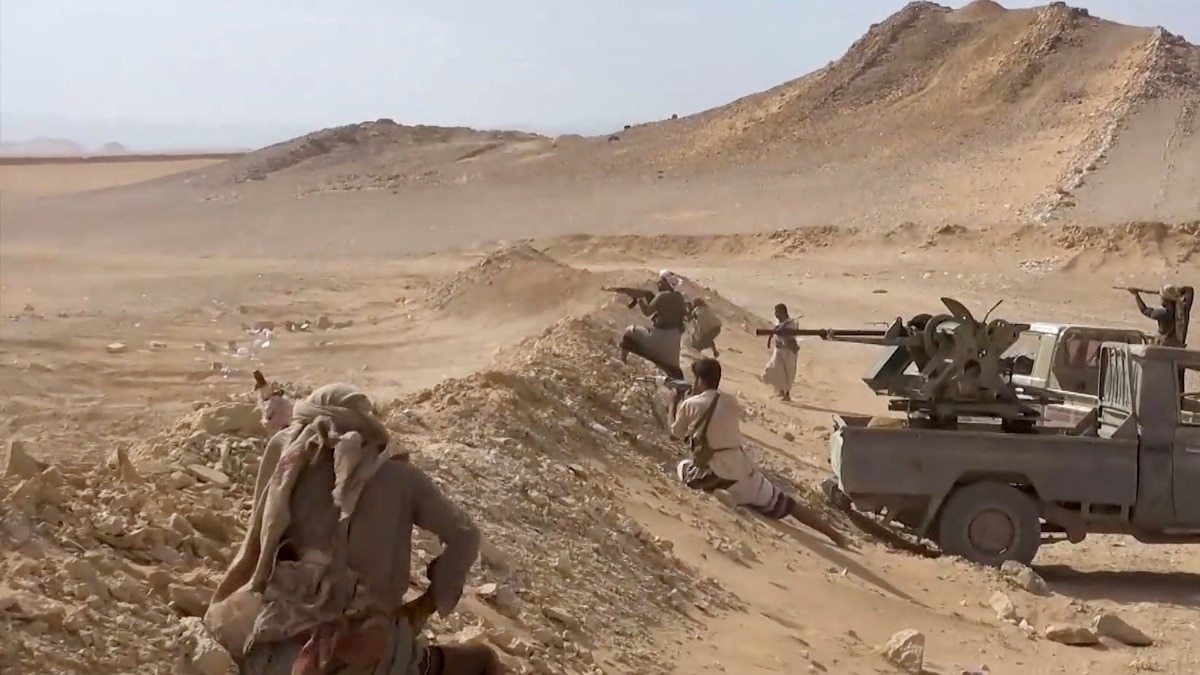
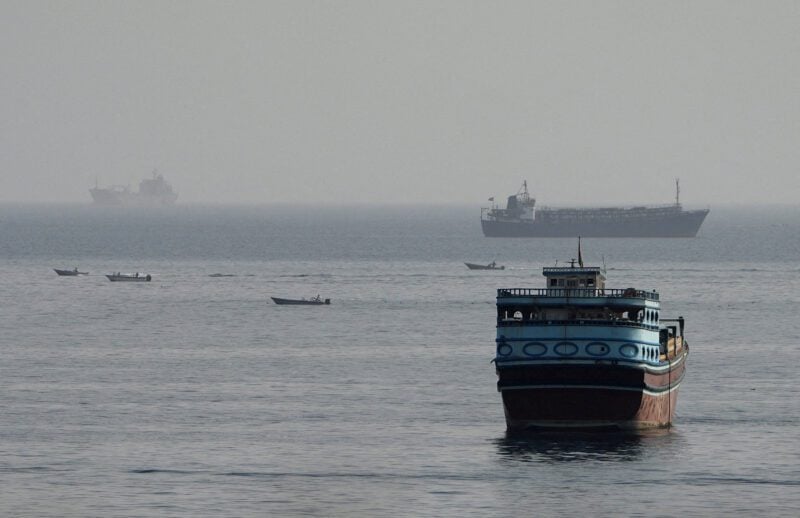
Chinese officials have long maintained a delicate balance as Iran's largest trading partner and main oil buyer, while also relying on the stability of maritime routes for their own energy security. The private appeal to Tehran was framed as a request for influence, with no explicit threat of economic pressure.
According to three Iranian sources familiar with the matter, the message was delivered during a window that could have overlapped with Iranian Foreign Minister Abbas Araghchi’s visit to China on Wednesday, 16 September 2026. Tehran’s response, echoed in the same sources, linked any regional peace to the conclusion of the US-Israeli war against Iran, a statement that suggests Tehran may be reluctant to act in Beijing’s favour without a broader diplomatic breakthrough.
Beijing’s public line, reiterated by its Foreign Ministry in a statement to Reuters, is a call for restraint, dialogue and the restoration of safe navigation.
The ministry added,"China does not wish to see regional tensions further spill over into Yemen and the Red Sea. Escalating regional instability is not in the interests of any party."
Chinese Foreign Ministry, via Reuters
China calls for an end to actions that further complicate the situation and urges resolving issues through dialogue and negotiation.
China’s diplomatic track record in the region offers context. In 2023, Beijing brokered a restoration of diplomatic ties between Saudi Arabia and Iran after years of hostility. Yet analysts caution that Beijing’s ability to shape Iranian policy is limited by Tehran’s own strategic priorities and economic dependencies.
| Actor | Stance on Houthi Issue | Key Points |
|---|---|---|
| Saudi Arabia | Appeals to China | Urgency over Houthi gains near Bab el-Mandeb; risk to oil exports and shipping. |
| China | Private request to Iran; public call for restraint | Private appeal for Iranian influence; public emphasis on dialogue and safe navigation. |
| Iran | Conditional response | Links stability to ending US-Israeli war; no explicit pressure on Houthis reported. |
The Houthi advance has also drawn attention from other global actors. The United States, embroiled in a six-month conflict with Iran that has seen a series of maritime strikes, remains cautious about intervening directly in Yemen. US Vice-President JD Vance confirmed ongoing contact with Houthi representatives in Oman while noting that the Houthis had reaffirmed a 2025 ceasefire with Washington and would not target American shipping in the Red Sea. The US has, however, imposed a naval blockade on Iranian ports and intensified economic pressure, measures that have pushed Iranian oil exports through China.
In the wider Middle East, the Houthis’ use of drones and missiles against Gulf Arab states has heightened tensions, including a drone interception in Saudi Arabia's southwest governorate of Taif that resulted in the death of a Yemeni resident. The group’s attacks on ships in the Red Sea and the Bab el-Mandeb Strait threaten energy routes that bring the Strait of Hormuz and the Red Sea into a single line of threat. Analysts note that any simultaneous disruption of these two arteries would present a severe test for China, which relies on uninterrupted shipping to sustain its economy.
China’s own economic ties with Iran are substantial. In 2025, Chinese companies accounted for more than eighty percent of Iran’s seaborne oil exports, averaging about 1.4 million barrels per day, according to Kpler data. The economic leverage is significant, yet the political calculus may limit Beijing’s willingness to coerce Tehran into action against the Houthis, especially if Iran’s strategic interests remain unresolved.
Experts from the Middle East Institute and other think-tanks point out that Beijing’s influence may hinge on whether it is prepared to back its diplomatic requests with concrete consequences. Alex Vatanka, director of the Iran Program at the Middle East Institute in Washington, noted that China’s interests extend beyond its relationship with Tehran, observing that Iran's actions in the Strait of Hormuz eventually begin hurting the very power Tehran depends on. A senior Western diplomat cited in the reports stated,
"Beijing is one of the few capitals that can still press Iran to rein in the Houthis."
Senior Western diplomat, via Reuters
Meanwhile, international bodies and regional leaders have been addressing the wider conflict. The UN Human Rights Council recently issued a report regarding US air strikes on the first day of the war, while the White House rejected the findings. Simultaneously, Israeli Prime Minister Benjamin Netanyahu campaigned ahead of upcoming elections by emphasizing military operations and security objectives against regional adversaries.
What comes next remains uncertain as Saudi Arabia continues to press for a resolution that safeguards its oil exports and international shipping lanes, while China watches closely to protect its energy interests without provoking a wider conflict.
How significant is this development?
Contribute your assessment to the aggregated reader sentiment ledger.
Frequently Asked Questions
Key questions answered in this reportWhat is the key development in: China presses Iran to rein in Houthis after Saudi appeal - Reuters?
Following a Saudi appeal over Houthi advances near the Red Sea, China privately urged Tehran to use its influence to curb the Iran-backed group.
Why is this World development significant for the UK?
This report covers critical events in our World beat. Independent reporting monitors related UK statements, regulatory shifts, and public responses as further verified details emerge.
How was this reporting corroborated and verified?
Newsarchy UK compiles and cross-references reporting from primary reporting from India Today and cross-checked wire reports. All coverage adheres to published editorial standards.
When was this report published?
This briefing was published on September 18, 2026 and is permanently cataloged in the Newsarchy UK World archives.