US considers withdrawing up to 40000 troops from Europe
The Pentagon is weighing a major drawdown that could remove tens of thousands of U.S. troops and military assets from Europe, despite warnings from NATO allies over Russian aggression.

- Core Development: The Pentagon is weighing a major drawdown that could remove tens of thousands of U.S. troops and military assets from Europe, despite warnings from NATO allies over Russian aggression.
- Beat Context: Categorized under World with independent corroboration.
- Reporting Depth: 3 minute analytical read synthesized from verified newsroom sources.
The United States Department of Defense is weighing a drastic plan to pull planes, ships, weapons and tens of thousands of U.S. Troops from Europe, according to NBC News. The potential drawdown moves forward despite warnings from NATO allies about the growing threat of Russian aggression.
According to seven current and former U.S. And Western officials cited by NBC News, the potential scale of the withdrawal is substantial. The reduction could remove roughly one-third of all American service members stationed across the continent, translating to approximately 25,000 personnel. However, a U.S. Official and another individual with direct knowledge of the deliberations cautioned that the final tally could grow even larger—potentially reaching up to half of the total force, or as many as 40,000 troops.
Media additions

Force Reduction Scenarios Under Consideration
| Scope of Reduction | Estimated Troop Numbers | Source Estimates |
|---|---|---|
| One-Third Reduction | Approx. 25,000 troops | Seven current and former U.S. And Western officials via NBC News |
| Up to Half Reduction | Up to 40,000 troops | U.S. Official and knowledgeable source via NBC News |
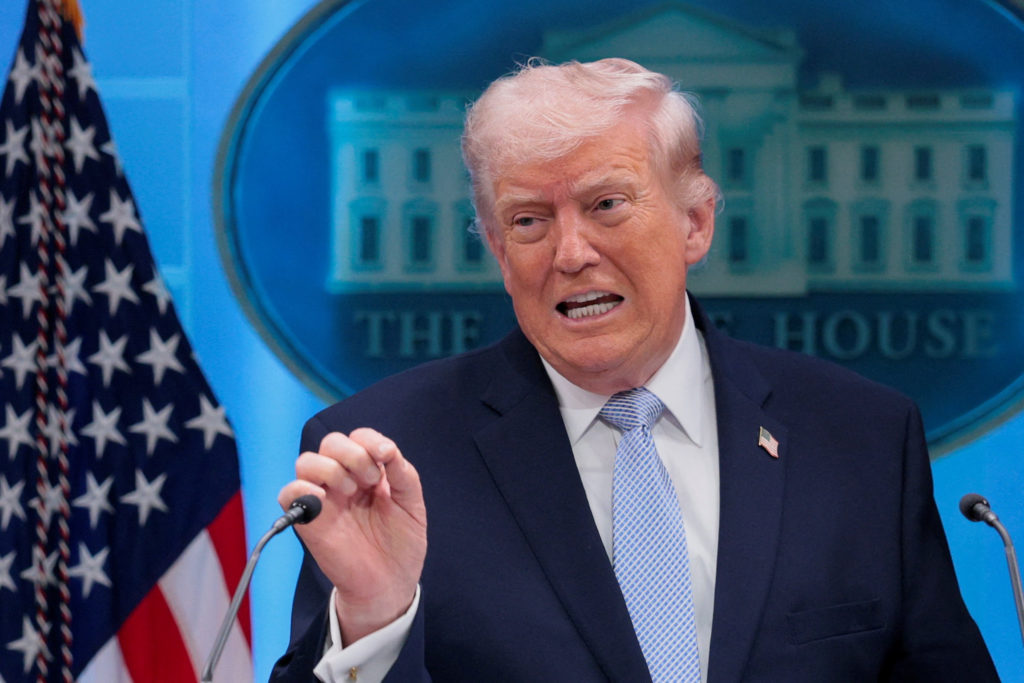
The potential U.S. Retrenchment also intersects with separate alliance developments elsewhere. While discussions to thin out forces in established European hubs are underway, President Donald Trump recently highlighted movement on a separate initiative, stating on Truth Social that major progress is being made toward establishing a U.S. Army base in Poland, thanks to what he termed the bold leadership of Polish President Karol Nawrocki.
A spokesperson for the Polish Embassy in Washington did not immediately respond to a request for comment regarding the base announcement, leaving the exact timeline and location unconfirmed by diplomatic channels. Meanwhile, as deliberations over the broader European footprint continue within the Pentagon, the administration faces competing demands across multiple global theaters, including the ongoing war with Iran and shifting security commitments elsewhere in the international arena.
Observers and allied governments will be watching closely for any formal announcements from the Department of Defense regarding the finalized scope of the European troop reductions, as well as any official updates on the proposed military positioning in Poland as relations and defense strategies across the continent continue to evolve.
The backdrop to these deliberations involves a complex international landscape where the Pentagon is simultaneously managing complex deployments and munitions constraints. White House officials have navigated severe international scrutiny following reports from independent investigators appointed by the U.N. Human Rights Council, which found “reasonable grounds” to believe the U.S. Committed war crimes during “indiscriminate attacks” against an Iranian school and a residential area in February.
White House spokesperson Anna Kelly dismissed the findings, stating that the U.N. Human Rights Council has accomplished nothing for human rights. Trump has likewise denied that the U.S. Was responsible for the strike on the school, while administration officials maintain that military operations adhere strictly to the law of armed conflict. Simultaneously, the U.S. Maintains a naval blockade in the Strait of Hormuz, which has redirected numerous commercial vessels and fueled tensions with Tehran, even as the administration grants restricted visas for Iranian leadership to attend the United Nations General Assembly in New York.
As these diplomatic and military pressures mount across multiple continents, European allies remain particularly sensitive to any recalibration of American military power. NATO capitals have consistently emphasized the necessity of a robust U.S. Presence to deter regional threats. The Pentagon's internal reviews regarding European force postures remain subject to change as leadership weighs strategic priorities between the Middle East, domestic defense readiness, and transatlantic security commitments.
Future developments will depend heavily on upcoming Pentagon briefings, formal policy announcements regarding European deployments, and the official outcomes of ongoing discussions between Washington and Warsaw concerning the proposed military installation in Poland. Lawmakers, allied defense ministers, and international observers await definitive timelines on whether the proposed troop cuts will proceed to the one-third threshold or expand toward the upper limit of forty thousand personnel.
How significant is this development?
Contribute your assessment to the aggregated reader sentiment ledger.
Frequently Asked Questions
Key questions answered in this reportWhat is the key development in: US considers withdrawing up to 40000 troops from Europe?
The Pentagon is weighing a major drawdown that could remove tens of thousands of U.S. troops and military assets from Europe, despite warnings from NATO allies over Russian aggression.
Why is this World development significant for the UK?
This report covers critical events in our World beat. Independent reporting monitors related UK statements, regulatory shifts, and public responses as further verified details emerge.
How was this reporting corroborated and verified?
Newsarchy UK compiles and cross-references reporting from primary reporting from cbsnews.com and cross-checked wire reports. All coverage adheres to published editorial standards.
When was this report published?
This briefing was published on September 18, 2026 and is permanently cataloged in the Newsarchy UK World archives.