Capital One says AML review forced closure of Trump Organization accounts
Capital One filed a court document defending its closure of over 300 Trump Organization accounts, arguing the action followed anti-money-laundering reviews.
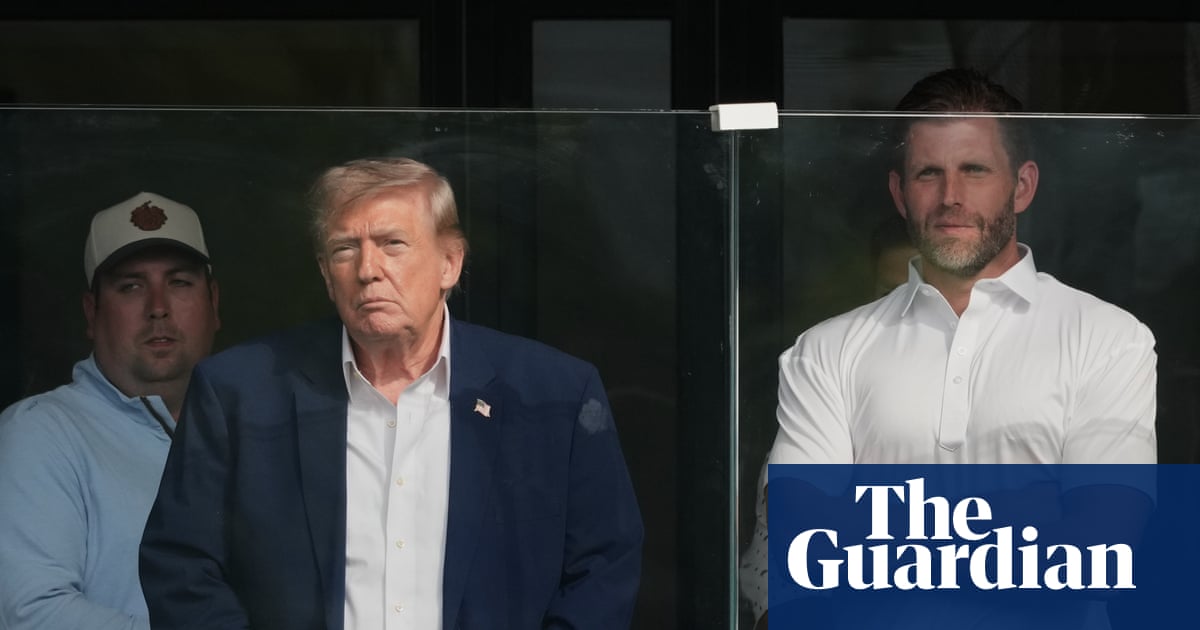
- Core Development: Capital One filed a court document defending its closure of over 300 Trump Organization accounts, arguing the action followed anti-money-laundering reviews.
- Beat Context: Categorized under World with independent corroboration.
- Reporting Depth: 4 minute analytical read synthesized from verified newsroom sources.
Capital One has turned the tables on a high‑profile “de‑banking” lawsuit by filing a court document that says an anti‑money‑laundering (AML) review, not political bias, forced the closure of more than 300 accounts tied to the Trump Organization. The filing, made in a Miami federal court, arrives as the former president’s legal strategy against the banking sector sharpens and could shape how banks defend account terminations involving politically exposed customers.
What the filing says
In a detailed response to the Trump Organization’s complaint, Capital One argues that months of analysis by its AML team uncovered transaction patterns that “raised concerns consistent with recognised anti‑money‑laundering guidance.” The bank says its decision complied with internal policies and federal banking guidance, and that the account agreements gave it the contractual right to close the accounts.
Media additions

“Documents and Plaintiffs’ own allegations make clear that Capital One closed Plaintiffs’ accounts for anti‑money laundering (“AML”) reasons.”
Capital One filing, via Financefeeds
Capital One also stresses that the closures were the result of “months of analysis and a careful review” rather than any “woke” or political motivations.
“The closures were the result of months of analysis and a careful review by Capital One’s AML team in accordance with bank policies and regulatory guidance.”
Capital One filing, via The Guardian
The bank’s filing notes that it gave the Trump Revocable Trust several months – and even extensions – to relocate its banking business after the notice in March 2021. When the trust failed to move the balances, the accounts were shut down in 2023.
How the dispute unfolded
The controversy began when Capital One notified the Trump‑linked entities in March 2021 that it would end its relationship. The Trump Organization, represented by Eric Trump, responded in March 2025 with a lawsuit in a Florida federal court, alleging that the bank acted out of “woke” beliefs and to capitalize on the political fallout from the 6 January 2021 Capitol riot.
President Donald Trump, meanwhile, has been pushing an executive order signed in August 2025 that bars “discriminatory debanking,” a move aimed at countering what his administration describes as partisan financial censure. The same order has already been invoked in a separate suit against JPMorgan Chase filed in January 2026.
Capital One’s defense rests on three pillars:
- Internal AML review identified “risk‑related activity” that fell under federal guidance.
- Contractual provisions allowed the bank to terminate the relationship.
- The bank never accused the Trump Organization of criminal money laundering, only of presenting “potential risks.”
The Trump Organization’s team counters that the AML review was a pretext, citing the timing of the closures and the broader political climate. The filing from the organization claims the bank’s “political pretext” was “misguided” and “based on cherry‑picked quotations.”
Legal and regulatory backdrop
The case arrives amid a wave of litigation alleging that major U.S. Banks have denied services on political, religious, or business grounds. Conservatives and the White House have repeatedly warned that “reputational‑risk” policies can mask discrimination. At the same time, regulators continue to enforce strict AML standards, requiring banks to file suspicious‑activity reports and to monitor “unusual deposits, withdrawals, wire transfers and transaction patterns.”
Financial‑industry observers note that the outcome could set a precedent for how courts evaluate claims that AML procedures are a cover for political motives. A ruling in Capital One’s favor would reinforce banks’ ability to rely on documented compliance reviews, while a loss could force lenders to disclose more granular details of their internal risk assessments.
Timeline of key events
- March 2021 – Capital One issues notice that it will close over 300 Trump‑affiliated accounts.
- 2023 – Account closures take effect after the trust is given extensions to move funds.
- March 2025 – The Trump Organization and Eric Trump file a lawsuit in Miami federal court, alleging politically motivated debanking.
- August 2025 – President Trump signs an executive order outlawing discriminatory debanking.
- January 2026 – Trump files a separate suit against JPMorgan Chase on similar grounds.
- 1 August 2026 – Capital One files its AML‑focused defense, seeking dismissal of the Trump Organization’s complaint.
What to watch next
- Miami federal court’s ruling on Capital One’s motion to dismiss – the decision could appear before the end of the year.
- Potential appeals from either side, which may bring the dispute before a higher appellate court.
- Further statements from the Office of the Comptroller of the Currency or the Financial Crimes Enforcement Network, especially if the case spurs regulatory guidance on AML reviews of politically exposed persons.
- Reactions from other banks that have faced similar accusations, possibly prompting a wave of internal policy reviews.
For readers following the broader debate over “de‑banking,” Capital One’s filing offers a rare glimpse into the internal compliance process that banks must follow when high‑profile accounts trigger AML concerns. Whether the bank’s documented review will prove sufficient to shield it from accusations of political discrimination remains to be seen, but the case is set to become a touchstone for the intersection of financial regulation and partisan politics.
How significant is this development?
Contribute your assessment to the aggregated reader sentiment ledger.
Frequently Asked Questions
Key questions answered in this reportWhat is the key development in: Capital One says AML review forced closure of Trump Organization accounts?
Capital One filed a court document defending its closure of over 300 Trump Organization accounts, arguing the action followed anti-money-laundering reviews.
Why is this World development significant for the UK?
This report covers critical events in our World beat. Independent reporting monitors related UK statements, regulatory shifts, and public responses as further verified details emerge.
How was this reporting corroborated and verified?
Newsarchy UK compiles and cross-references reporting from primary reporting from financefeeds.com and cross-checked wire reports. All coverage adheres to published editorial standards.
When was this report published?
This briefing was published on August 4, 2026 and is permanently cataloged in the Newsarchy UK World archives.