China and Russia push Arctic sea route as Suez alternative
China's latest convoy of container ships sailed the Northern Sea Route from Ningbo to Felixstowe, halving the voyage of the Suez Canal. Shippers face global chokepoints and fragile ecosystems.
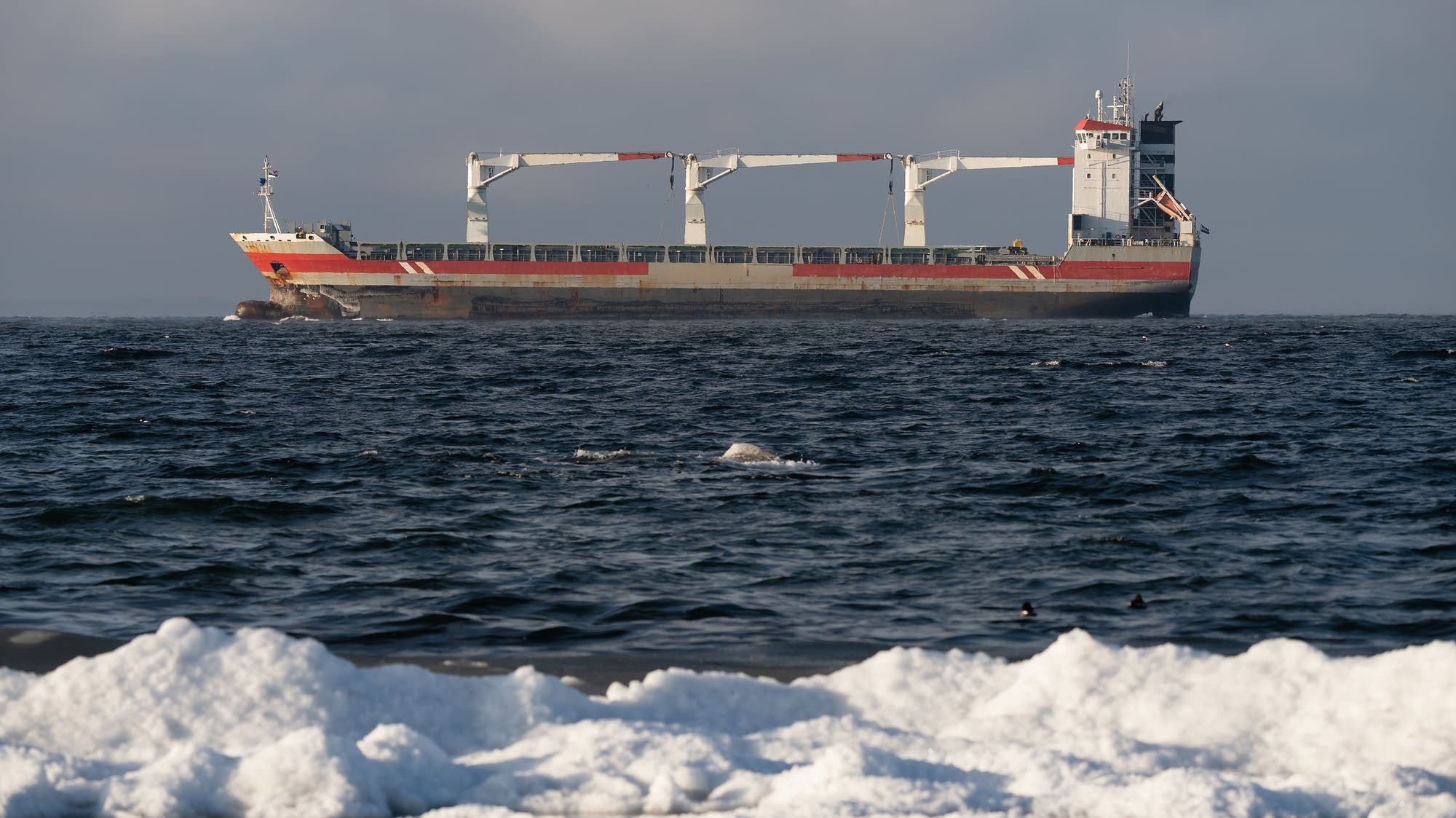
- Core Development: China's latest convoy of container ships sailed the Northern Sea Route from Ningbo to Felixstowe, halving the voyage of the Suez Canal. Shippers face global chokepoints and fragile ecosystems.
- Beat Context: Categorized under World with independent corroboration.
- Reporting Depth: 3 minute analytical read synthesized from verified newsroom sources.
China and Russia are increasingly promoting the Northern Sea Route as an alternative to traditional southern shipping lanes, following global shipping disruptions and conflicts. The route spans 5,600km (3,480 miles) across Russia’s Arctic coast, running from the Barents Sea to the Bering Strait. Climate change is making it more accessible as the polar ice rapidly melts.
China, the world's second-largest economy, sent several cargo ships through an Arctic route over the weekend, along waters hugging Russia's northern coast. The path stretches from Ningbo on China’s east coast, travels around the top of Russia through the Arctic, and is intended to arrive in Felixstowe, the United Kingdom’s biggest port. Shipping and industry correspondent Alice Hancock noted in a discussion with Marketplace correspondent Nova Safo that the venture cuts shipping times in half between Ningbo and Felixstowe.
Media additions
"It stretches from Ningbo, which is on China’s East Coast, and it goes all the way around the top of Russia — so all the way along through the Arctic — and then should arrive in Felixstowe in the U.K., which is the U.K.’s biggest port."
Alice Hancock, shipping and industry correspondent, via Marketplace
Houthi attacks on commercial vessels in the Red Sea later that year disrupted traffic through the Suez Canal – the fastest route between Europe and Asia – in what was the most serious conflict-driven disruption since the Arab-Israeli war nearly six decades earlier. Alice Hancock explained that the surge in interest stems from these chokepoints, noting that the Arctic becomes a more interesting prospect especially for Chinese companies who might want to avoid choke points that are controlled by the U.S. Or by the U.S.'s allies.
Russian oil and gas projects in the region, along with conflicts and piracy disrupting the Suez Canal, have boosted the appeal of the Arctic as an alternative route for Chinese firms. We saw a record number using the route last summer. Furthermore, China’s container shipping company Sea Legend, has opened a weekly service.
Maersk was the first to send a container ship through the Arctic route back in 2018, and now it's signed an agreement with quite a few European companies to say that they won't use the Arctic route. Hancock highlighted environmental concerns, stating that the Arctic has an incredibly fragile ecosystem that's very important. Questions regarding security also persist, particularly given that Russia is the one that is sending out the licenses and all this kind of thing.
Customer demand for the Arctic passage remains limited, as many are so focused on getting their cargo there safely that actually the Arctic doesn't present necessarily the more attractive option. While the weekly service by Sea Legend is a very interesting move, and we may yet see more of it, industry observers suggest the route is not yet a major component in terms of the global shipping industry. Whether the corridor gains widespread adoption will depend on if the ice melt really does become significant.
Key developments shaping the Arctic shipping push
- Red Sea conflict: Houthi attacks on commercial vessels in the Red Sea later that year disrupted traffic through the Suez Canal – the fastest route between Europe and Asia – in what was the most serious conflict-driven disruption since the Arab-Israeli war nearly six decades earlier.
- Panama Canal drought: The Panama Canal, of course at the moment is having issues due to drought.
- Record summer traffic: We saw a record number using the route last summer.
- New regular service: This weekly service that Sea Legend, the Chinese container shipping company, has opened is a very interesting move.
What to watch next
| Factor | Potential Impact on Shipping |
|---|---|
| Arctic ice melt | If the ice melt really does become significant, then it could well move up in people's minds as an interesting way to literally get around the top of the world and get a shortcut. |
| Middle East conflicts and chokepoints | The conflict in the Middle East — you know, things like the Suez Canal, the Strait of Hormuz, the Panama Canal — has led to issues that make shippers want to avoid choke points. |
How significant is this development?
Contribute your assessment to the aggregated reader sentiment ledger.
Frequently Asked Questions
Key questions answered in this reportWhat is the key development in: China and Russia push Arctic sea route as Suez alternative?
China's latest convoy of container ships sailed the Northern Sea Route from Ningbo to Felixstowe, halving the voyage of the Suez Canal. Shippers face global chokepoints and fragile ecosystems.
Why is this World development significant for the UK?
This report covers critical events in our World beat. Independent reporting monitors related UK statements, regulatory shifts, and public responses as further verified details emerge.
How was this reporting corroborated and verified?
Newsarchy UK compiles and cross-references reporting from primary reporting from marketplace.org and cross-checked wire reports. All coverage adheres to published editorial standards.
When was this report published?
This briefing was published on August 18, 2026 and is permanently cataloged in the Newsarchy UK World archives.