China, US slash tariffs on $30bn worth of goods, launch AI dialogue
Following a Washington summit, China and the US have agreed to slash tariffs on $30 billion worth of goods and launch a new artificial intelligence dialogue.
- Core Development: Following a Washington summit, China and the US have agreed to slash tariffs on $30 billion worth of goods and launch a new artificial intelligence dialogue.
- Beat Context: Categorized under World with independent corroboration.
- Reporting Depth: 4 minute analytical read synthesized from verified newsroom sources.
The two largest economies in the world have managed a modest but symbolically weighty step forward after a three‑day summit in Washington. China and the United States agreed to slash tariffs on about $30 billion worth of non‑sensitive goods in each direction, to set up a trade council, and to launch a new artificial‑intelligence (AI) dialogue. The deal, announced on September 26, follows the extension of a trade truce that was due to expire on November 10 and could shape the pace of a broader trade pact.
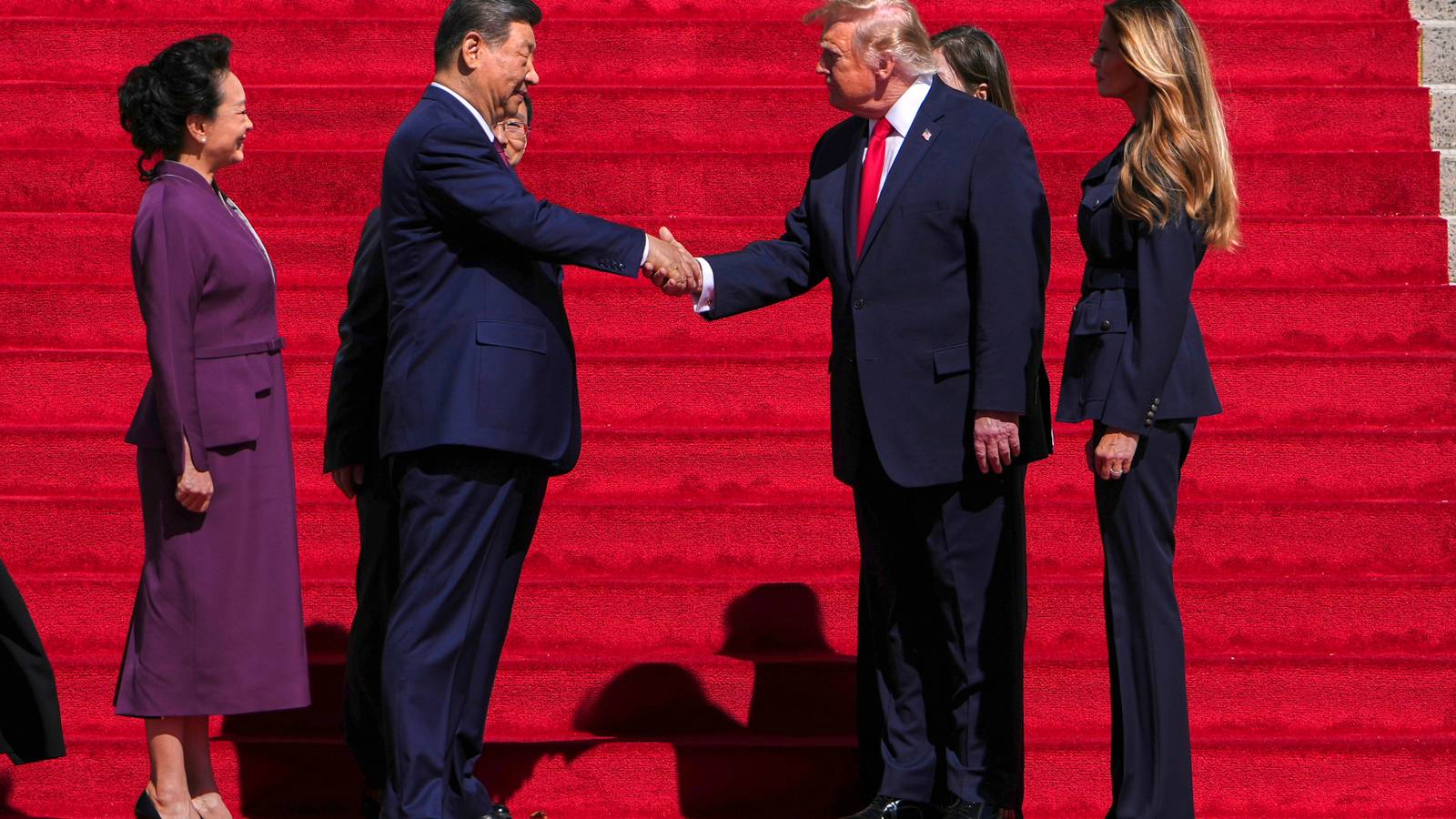
Xi Jinping’s three‑day visit—spanning September 23‑25—was marked more by personal diplomacy than by headline‑making policy breakthroughs. The White House and the Chinese Foreign Ministry both described the talks in positive terms, though analysts noted that the lack of major public gains does not diminish the incremental framework that could prevent a flare‑up in either the economic or Military arenas.
Media additions


At the heart of the agreement was a reciprocal tariff‑reduction package. The White House said the U.S. Will give China more favourable treatment for goods worth about $30 billion, while China will reciprocate on the same amount of U.S. Goods. The “non‑sensitive” categories include agricultural products, fish and seafood, logs and wood, cosmetics and medical devices on the U.S. Side, and small appliances, toys, holiday decorations and children's car seats on the Chinese side. The deal also contains a commitment that China will import at least 10 million metric tons of U.S. Coal in 2027 and again in 2028.
| U.S. Exports to China | China Exports to U.S. |
|---|---|
| agricultural products, fish and seafood, logs, wood, cosmetics, medical devices | small appliances, toys, holiday decorations, children's car seats |
Beyond the tariff cuts, the leaders agreed to establish a trade council and a board of trade that will address market‑access barriers in agriculture and investment. The White House said the board began operating "this week," while the Chinese ministry said it will extend the outcomes of earlier Kuala Lumpur talks.
Artificial intelligence is the next frontier of the agreement. Both governments will hold a dialogue on the risks and benefits of artificial intelligence, with the first round scheduled for November. They will also create a bilateral channel for AI‑related incidents, a move that, according to the Chinese ministry, will help the two sides share information on emerging threats. The White House noted that the parties will use the term “super intelligence” instead of “artificial intelligence,” a change the Chinese ministry welcomed.
The summit also produced a memorandum of understanding on strengthening crisis communications and preventing military crises, a step that experts say institutionalises the stability created by personal diplomacy. The U.S. And China will keep working on rare‑earth supply concerns, with a goal of restoring shipment levels to "appropriate" levels, and the Chinese ministry said it had added export controls on two precursor chemicals used to produce fentanyl.
Foreign‑policy points were also touched on. Both sides agreed that Iran must honour its commitment not to develop nuclear weapons and that no country or institution should impose transit tolls on international waterways, a reference to the Strait of Hormuz.
Analysts see the package as a cautious but necessary step. The Center for China and Globalization’s Wang Zichen said the new working groups “suggest an effort to make that stability more durable and institutionalised.” Others note that the lack of major breakthroughs is offset by the creation of mechanisms that could prevent future conflicts.
What happens next? The first AI dialogue will take place in November, followed by the Asia‑Pacific Economic Cooperation (APEC) leaders’ meeting in Shenzhen and the Group of Twenty (G20) summit at the Trump National Doral in Miami. The trade truce that was extended to November 10 will then expire, leaving the new tariff cuts and institutional frameworks as the main tools for managing U.S.–China trade until a broader agreement is negotiated.
- Sept 23‑25: Xi visits Washington for a three‑day summit.
- Sept 26: Announcement of $30 billion tariff cuts, trade council, AI dialogue, and other agreements.
- Nov 10: Original trade truce expires; new measures remain in force.
- Nov: First AI dialogue scheduled.
- Nov: APEC leaders’ meeting in Shenzhen.
- Dec: G20 summit in Miami.
While the deal does not resolve the underlying geopolitical tensions, it provides a structured path for both sides to manage trade friction and technology competition. The tariff cuts will immediately ease pressure on exporters and importers, and the AI dialogue signals a willingness to engage on a field that has become central to the economic rivalry. For the global economy, the agreement may offer a measure of stability in a period of renewed U.S.–China competition.
Sources: Abc, SANA, Military.com, Mezha, Fakti, Yahoo Finance (Ca), Yenisafak, CNBC, Yahoo Finance, Fortune, CNA, Türkiye Today.
How significant is this development?
Contribute your assessment to the aggregated reader sentiment ledger.
Frequently Asked Questions
Key questions answered in this reportWhat is the key development in: China, US slash tariffs on $30bn worth of goods, launch AI dialogue?
Following a Washington summit, China and the US have agreed to slash tariffs on $30 billion worth of goods and launch a new artificial intelligence dialogue.
Why is this World development significant for the UK?
This report covers critical events in our World beat. Independent reporting monitors related UK statements, regulatory shifts, and public responses as further verified details emerge.
How was this reporting corroborated and verified?
Newsarchy UK compiles and cross-references reporting from primary reporting from Fortune and cross-checked wire reports. All coverage adheres to published editorial standards.
When was this report published?
This briefing was published on September 26, 2026 and is permanently cataloged in the Newsarchy UK World archives.