Military funding, AI and more: Congress returns for final week
Lawmakers face a crowded legislative agenda focusing on military funding, AI regulation, and fraud prevention as Mitch McConnell returns to the Senate.
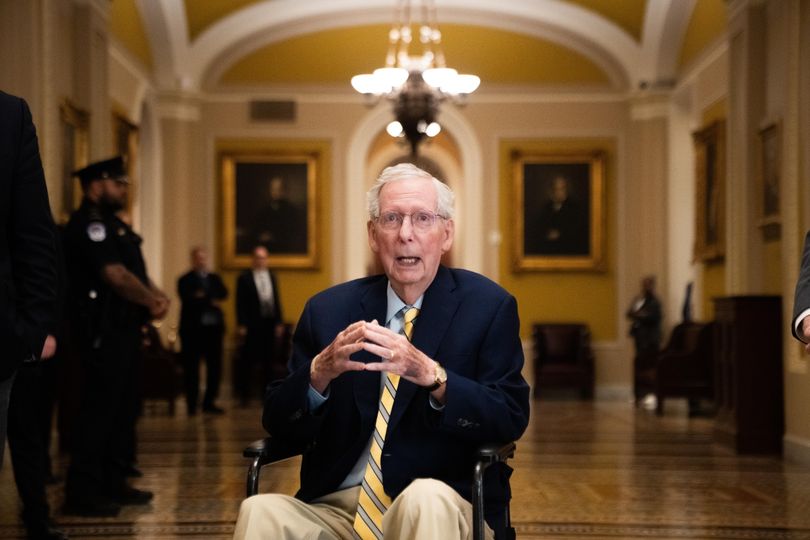
When the Capitol’s doors opened on Monday for a short‑term return, lawmakers faced a crowded agenda that could shape the next two months of Congress and the November midterms. The House, on its final week of business, has already cleared a stopgap funding bill signed by President Donald Trump, while the Senate has three weeks of work ahead before the summer recess ends. In the midst of this legislative sprint, the Senate’s most senior Republican, Mitch McConnell, finally re‑entered the chamber after a three‑month absence that had rattled voters and colleagues alike.
According to the Everettpost, the House’s final week of legislative business comes after Speaker Mike Johnson scrapped two previously scheduled voting weeks. The stopgap funding bill that President Trump signed keeps the federal government running until December 11, “alleviating any immediate deadline pressure this month.”1 The Senate, meanwhile, still has a full three‑week work period, though Majority Leader John Thune could decide to send members out on the campaign trail earlier than planned. No changes to the Senate schedule have yet been announced, and the GOP’s prospects for a major budget bill before the midterms appear dim.
Media additions

Military funding remains at the top of the agenda. Over the summer recess, Dan Driscoll’s resignation as Army secretary and the war in Iran reaching its seventh month have intensified calls for a bipartisan path toward a National Defense Authorization Act (NDAA). The “Reconciliation 3.0” package—$95 billion of GOP‑led spending for the war and for farmers and the SAVE America Act—has been effectively abandoned by the Senate. With the NDAA not due to be approved until the end of the year, a failure to secure bipartisan support now threatens to add to a potential lame‑duck pile‑up of legislation.
On the foreign policy front, House Republicans are set to push a Russia sanctions bill that has faced heavy Democratic opposition. The GOP plans to bring the measure to the floor under a rule that requires only a simple majority, signalling that the House lacks sufficient bipartisan support to suspend the rules and pass the bill via a two‑thirds vote. Whether the Senate will adopt the bill before the summer recess ends remains unclear, and the GOP’s leadership may weigh the risk of exposing members to challenging votes in a “vote‑a‑rama.”
Fiscal prudence also tops the House’s agenda, as lawmakers plan to debate several fraud‑related measures. The Preventing Ripoffs and Obtaining Oversight of Funds Act, a bill aimed at protecting taxpayers from healthcare fraudsters, and a proposal to establish a National Fraud Enforcement Division within the Department of Justice will both be debated this week. The House’s focus on anti‑fraud legislation reflects growing public concern over taxpayer protection and the integrity of federal programs.
Artificial intelligence regulation is another key issue. Reports that raised concerns about AI security have prompted lawmakers on both sides of the aisle to demand information from OpenAI and launch investigations. The renewed focus on AI regulation comes amid rising worries about the technology’s societal impact and potential misuse.
Other bills that could break through this short session include a Senate‑level Name, Image and Likeness (NIL) bill and a controversial cryptocurrency regulation bill that carries ethics carve‑outs that Democrats say may favour former President Trump. The NIL bill would address the growing debate over college athletes’ rights to profit from their personal brands, while the cryptocurrency bill reflects the GOP’s effort to bring clearer regulation to a rapidly evolving sector.
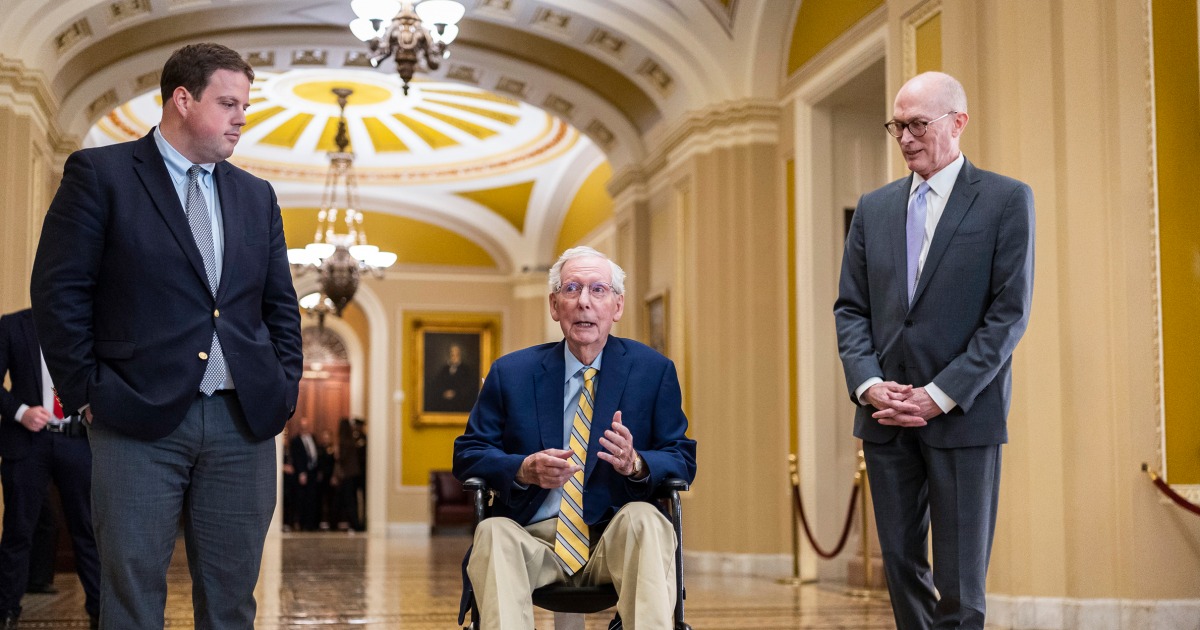
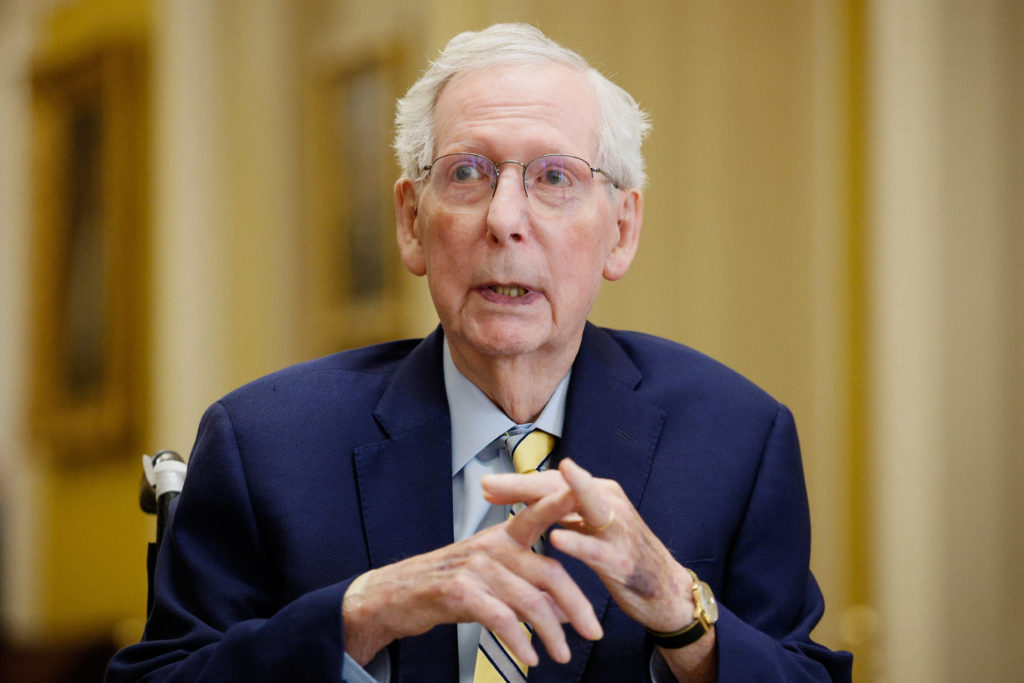
While the House and Senate tackle these policy priorities, the Senate’s most senior member, Mitch McConnell, finally returned to the chamber after a three‑month absence that had sparked widespread speculation about his health and ability to serve. According to NBC News, McConnell cast his first vote since a fall on June 14, a move that restored a critical Republican vote count for key GOP priorities. He appeared in a wheelchair, briefly addressed reporters, and voted to advance a federal judge’s nomination to the Southern District of Ohio.
McConnell’s absence began after a fall at his Washington home on June 14 that left him briefly unconscious and later required treatment for a mild case of pneumonia. CBS News reports that he was hospitalized and subsequently moved to a rehabilitation facility. He was discharged on August 6 and has been continuing intensive physical therapy at home. The senator’s office released a statement on August 6 that he would remain engaged with Senate business while recovering.
McConnell’s return has immediate implications for the GOP’s legislative agenda. The Senate’s farm bill, stalled in committee during his absence, is poised to move to the floor, and McConnell’s vote could tip the balance in a 12‑11 committee majority. The Senate’s ability to advance the cryptocurrency bill and the NIL bill also benefits from his presence. The senator’s statement that he will “do my best to be present for tough votes when our Conference needs me” signals a renewed capacity to influence key votes.
| Date | Event |
|---|---|
| June 11 | McConnell’s last recorded Senate vote before absence. |
| June 14 | Fall at home; hospitalization; brief unconsciousness; pneumonia. |
| July 12 | First public statement about fall and recovery. |
| August 6 | Discharged from rehab; continues home therapy. |
| September 14 | McConnell returns to Senate; votes on federal judge nomination. |
McConnell’s three‑month absence also tested the GOP’s resilience in the Senate. The party’s 53‑47 majority means that any missing vote can be consequential. During the summer recess, the Senate’s farm bill stalled, and the GOP’s ability to advance other priorities, such as the cryptocurrency bill, was hampered. McConnell’s return restores a vital vote‑counting swing for the party’s legislative agenda.
Looking ahead, the House will continue to debate and potentially pass the Russia sanctions bill and the fraud‑protection measures before the midterm campaign intensifies. The Senate will face a final three‑week work period that could see the passage of the NIL bill, the cryptocurrency bill, and possibly the NDAA if bipartisan support is found. The GOP’s success will hinge on securing enough votes in a closely divided chamber, especially with McConnell’s presence restoring a critical Republican vote.
For voters, the return of a senior lawmaker after a prolonged health scare underscores the broader national conversation about the age and fitness of elected officials. Kentucky’s governor’s call for transparency and the public’s scrutiny of McConnell’s health have added a human dimension to the legislative calculations. As the midterms loom, the Senate’s ability to navigate these policy priorities while managing a senior member’s recovery will likely influence public perception of the GOP’s readiness to govern.
In the coming weeks, the Senate will need to decide whether to move forward with the NDAA, the cryptocurrency bill, and the NIL bill, while the House will assess the feasibility of passing the Russia sanctions bill and the fraud‑protection measures. The GOP’s success will depend on the party’s ability to marshal enough votes in a chamber where every count matters, a task that McConnell’s return helps to secure.
For further coverage of the midterm landscape, see World and Trump promises $5,000 dividend to Americans if Republicans retain Congress.