Russian warship sinks in Libyan port in suspected Ukrainian drone attack
"Ukraine is the only actor brazen enough to pull something like that off. If I were to bet my own money, I would bet that it was the Ukrainians."
Jalel Harchaoui, Libya specialist, Royal United Services Institute, via BBC
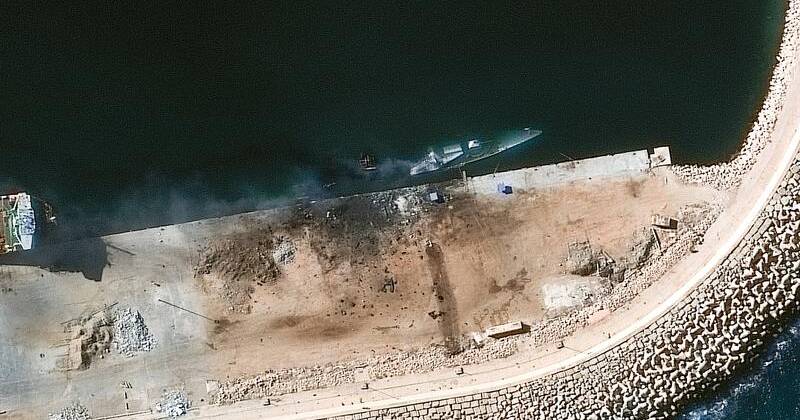
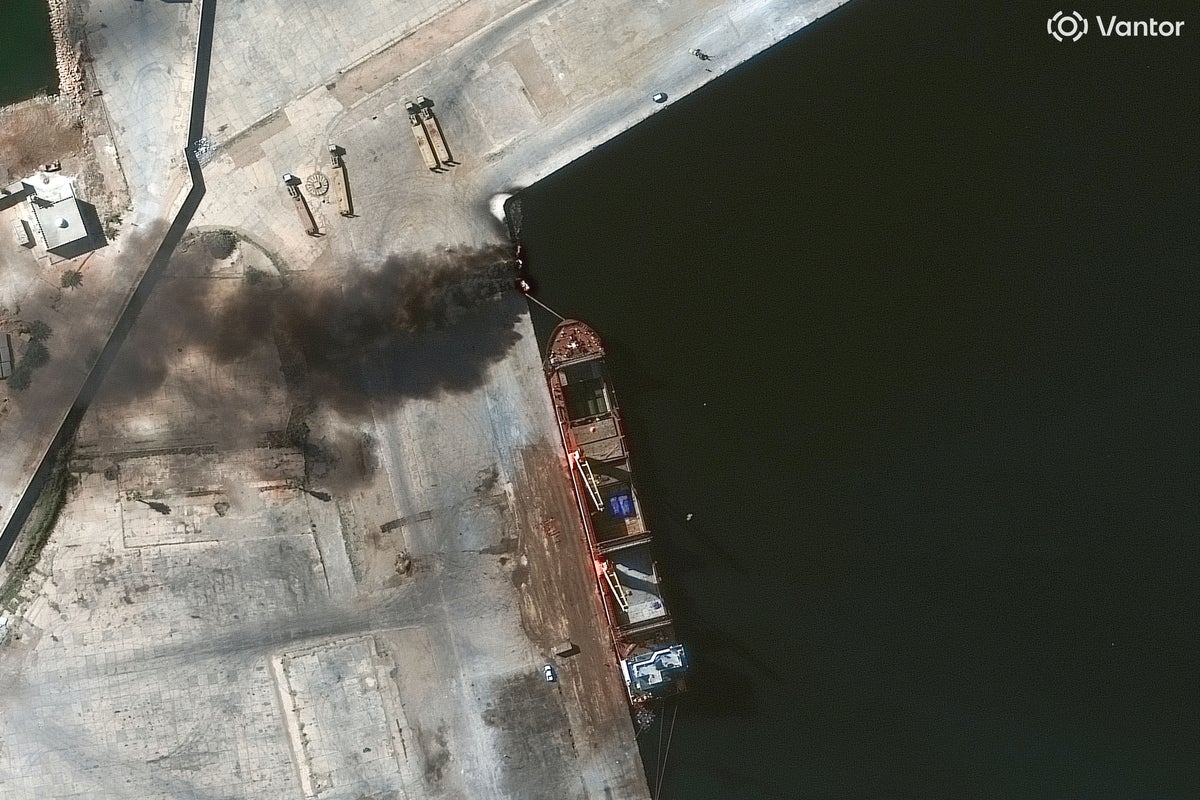
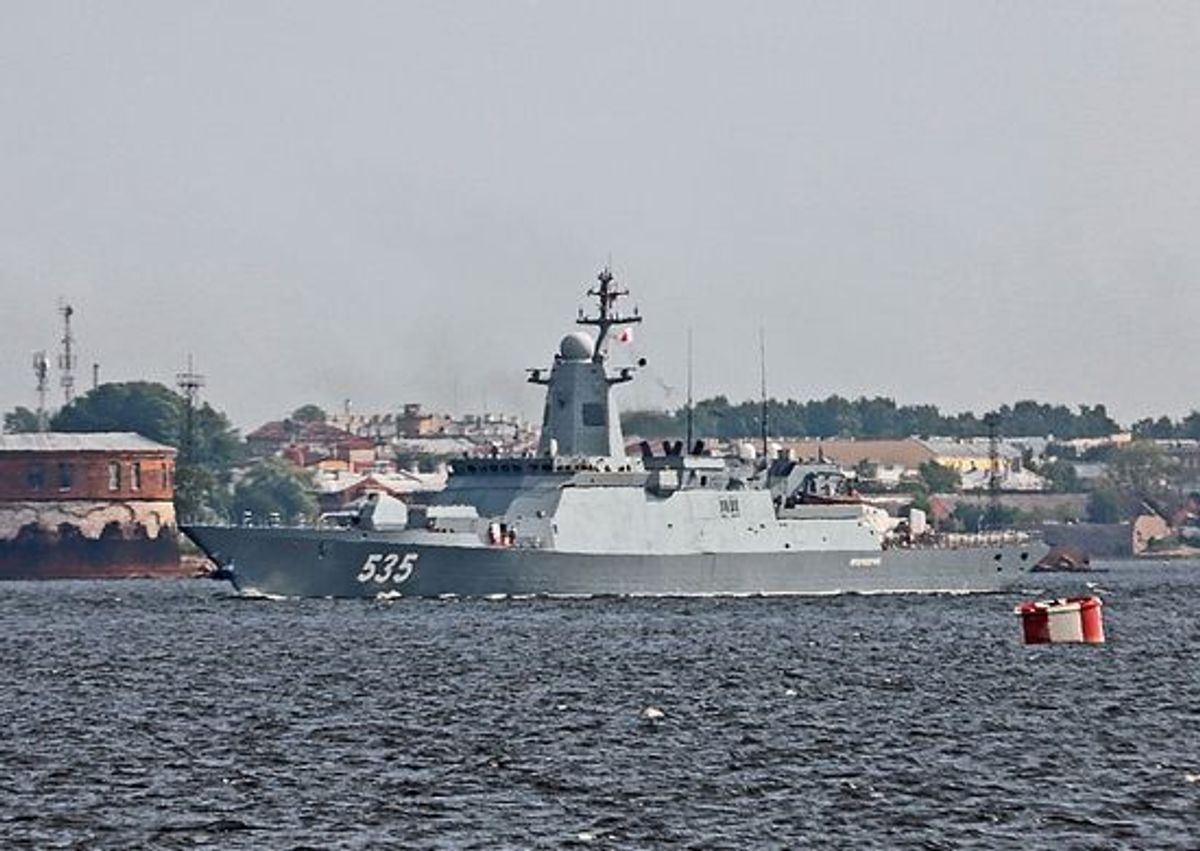
Libyan military officials affiliated with the Libyan National Army (LNA), which controls eastern Libya, told the Associated Press that multiple Ukrainian sea drones were launched from a base in western Libya. At least four drones were intercepted; two struck the Merkury. The officials spoke on condition of anonymity because they were not authorized to brief reporters. No group has claimed responsibility. Russia and Ukraine have not commented officially, though Denys Sienik, Ukraine's top diplomat in Washington, posted on social media: "Something has happened to a Russian naval vessel and a cargo ship reportedly transporting military equipment off the Libyan coast. One thing is clear: these vessels will no longer be serving the Russian war machine."
The strike coincides with a reported drone attack on a Russian cargo ship in the Gulf of Finland on Saturday, which Finnish Prime Minister Petteri Orpo described as evidence that the war is "spilling over into our neighbouring areas." Ukrainian presidential adviser Vladyslav Vlasiuk called the timing "quite a coincidence" and suggested sanctioned vessels supporting Russia's military-industrial complex have "a rather unfortunate tendency to catch fire."
Divided Libya, competing narratives
Libya has operated under rival administrations since the 2011 NATO-backed uprising that toppled Muammar Gaddafi. The internationally recognized Government of National Unity (GNU) sits in Tripoli; the GNS, backed by LNA commander Khalifa Haftar, governs the east from Benghazi. Russia has cultivated ties with Haftar's faction, deploying African Corps personnel to southern and eastern Libya. Kyiv reportedly signed a covert deal with the GNU in 2025 allowing Ukrainian drone operators access to bases in western Libya, including Misrata, Tripoli, and Zawiya.
"The Libyan government will not allow Libyan ports, territory or territorial waters to be turned into an arena for settling scores or exporting international conflicts."
Media additions
Image via wishtv.comImage via The IndependentImage via The Kyiv Independent
Government of National Stability statement
The GNS condemned Sunday's attack as a violation of sovereignty and maritime safety, insisting Libya is not a party to the Russia-Ukraine war. It announced a joint investigation with Russian authorities. The GNU in Tripoli warned against "dragging Libyan ports and civilian facilities into external conflicts" and opposed the use of Libyan territory for military activities that could jeopardize citizens or national assets. Both statements reflect a shared anxiety: that Libya's fragmentation makes it a convenient theater for foreign proxy warfare.
Pattern of Mediterranean strikes
Sunday's incident fits a widening pattern. In December 2025, Ukraine acknowledged striking the Russian-linked tanker QENDIL in the Mediterranean, more than 2,000 kilometers from Ukrainian territory; Radio France Internationale later reported the attack launched from Misrata, hitting the vessel 250 kilometers off the Libyan coast. In March 2026, Moscow accused Ukraine of targeting the LNG tanker Arctic Metagaz between Libya and Malta with sea drones launched from the Libyan coast. Kyiv did not comment on that strike.
Date
Target
Location
Attribution
December 2025
QENDIL (shadow fleet tanker)
Mediterranean Sea
Ukraine claimed responsibility
March 2026
Arctic Metagaz (LNG tanker)
Mediterranean, near Malta
Russia accused Ukraine; Kyiv silent
November 21, 2026
Sparta II (cargo ship)
Gulf of Finland
Finland said Ukrainian drone strike
November 22, 2026
Merkury (corvette)
Benghazi Naval Base, Libya
Libyan officials suspect Ukrainian sea drones
What to watch next
Joint investigation: The GNS says it is coordinating with Russian counterparts to determine the attack's source and responsible party. Moscow's public response — or silence — will signal how the Kremlin calculates escalation risks in the Mediterranean.
Haftar's reaction: Analysts expect the LNA leader to press the GNU over its alleged hosting of Ukrainian drone operators. "They will ask questions about who is hosting the Ukrainians," Harchaoui said.
Commercial shipping: The evening strike on the Maltese-flagged vessel and the interception of more than 20 drone boats off Benghazi suggest an active threat environment. Insurers and flag states may reassess transit risks for Libyan ports.
Black Sea to Baltic to Mediterranean: The geographic spread of attacks, Black Sea, Baltic Sea, Mediterranean, tests Russia's ability to protect naval and commercial assets across multiple theaters simultaneously.
For now, the Merkury rests on the seabed at Benghazi, its bow the only marker of a warship that arrived for routine resupply and became the latest vessel caught in a war that refuses to stay within its original borders.