UK inflation rises to 3.6 percent as Ofgem energy price cap faces 26 percent hike
UK inflation climbed to 3.6 percent in October as households brace for a projected 26 percent increase in the Ofgem energy price cap.
UK inflation rose to 3.6 percent in October, up from 3.5 percent the previous month, as households face escalating cost-of-living pressures driven by international energy markets and motor fuel costs, according to the Office for National Statistics. Government statisticians and economists pointed to crude oil and petrol expenses as major contributors to the annual rate, with geopolitical conflict in the Middle East serving as the primary catalyst for global market volatility.
The Energy and Climate Intelligence Unit warned that volatile wholesale oil and gas prices have trapped British families on a fossil fuel rollercoaster, straining government fiscal headroom alongside rising borrowing costs. ONS chief economist Grant Fitzner noted that fuel prices once again pushed the annual rate upward, while the Bank of England warned that inflation risked climbing significantly higher in a worst-case scenario should oil prices soar far beyond current thresholds due to ongoing regional conflicts.
Media additions

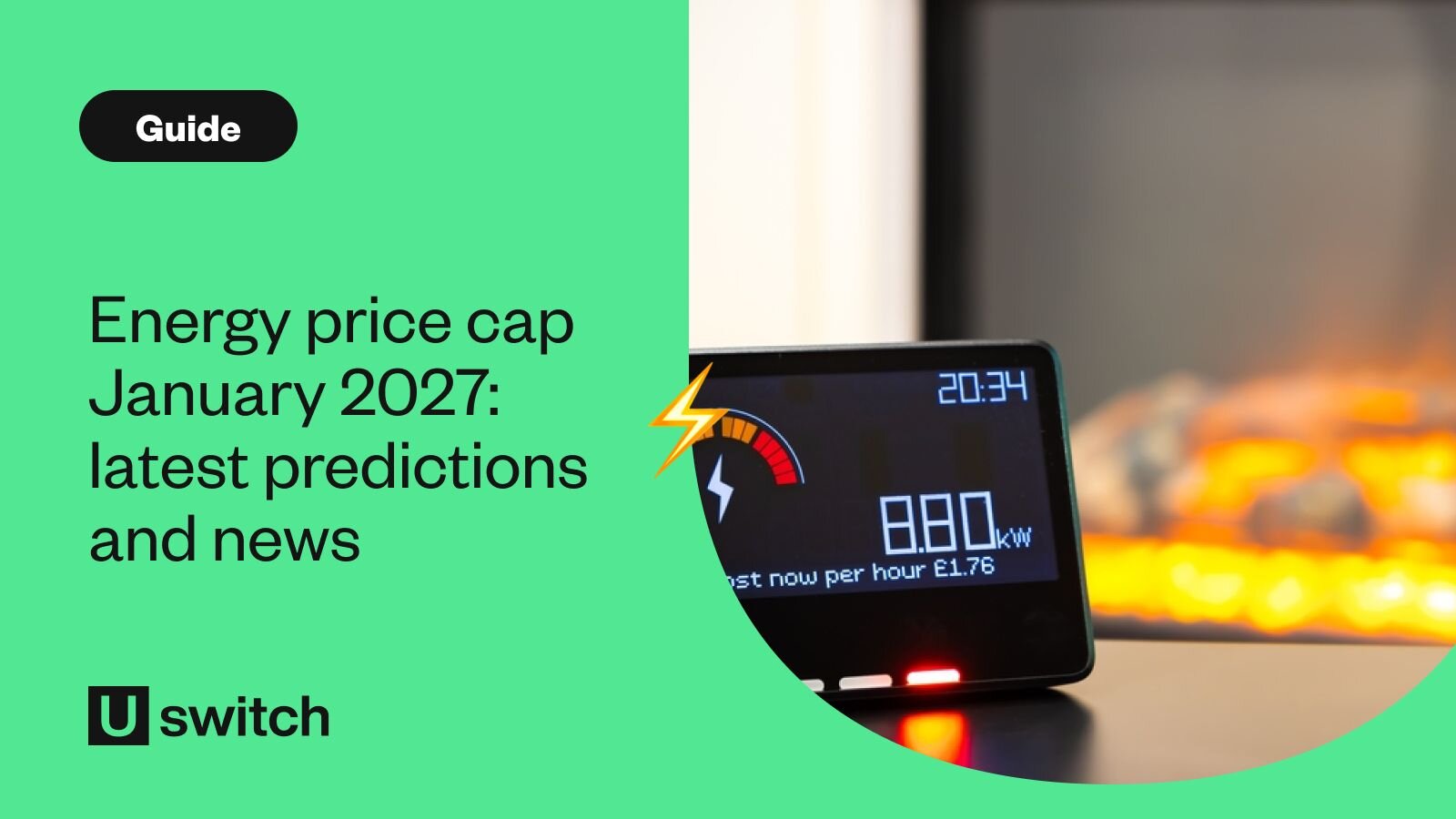

Energy consultancy Cornwall Insight has forecasted that Ofgem's energy price cap will climb by 26 percent, pushing the annual bill for a typical household in England, Scotland, and Wales to £2,166 starting January 1, 2027. This anticipated adjustment adds £443 to the previous price cap level, bringing household energy expenses to their highest point since 2023. Predictions from other industry observers, including major suppliers, have similarly estimated increases ranging between 25 and 28 percent for standard variable tariffs during the peak winter consumption period.
Industry leaders have expressed deep concern over the timing of the projected increase. Centrica chief executive Chris O'Shea told the BBC that the forecast was materially accurate, noting that the first quarter of the year typically brings peak energy consumption while households are still managing holiday expenses. O'Shea also highlighted a growing crisis in unpaid bills, estimating that uncollected debts add roughly £1.50 to £1.60 every week to every paying electricity customer's bill. Official regulator figures show that household debt owed to energy suppliers reached £5 billion between April and June 2026.
Consumer advocacy groups have sharply criticized the adequacy of government support measures announced in the Autumn Budget. Citizens Advice dismissed a planned £100 winter energy payment for households in council tax bands A through D as a drop in the ocean for those carrying substantial debt, warning of potential cold-related deaths during the colder months. The Fuel Poverty Action Group argued that inflated energy prices stem from excessive firm profits and demanded tougher regulatory intervention against profiteering, while noting that oil and gas companies operating in the UK face an overall tax rate of 78 percent when windfall taxes are included.
Financial experts have also analyzed the broader implications of these pressures. Consumer champion Martin Lewis noted on his BBC podcast that while the overall percentage increase is solid, the exact unit rates and standing charges carry some variables that remain in Ofgem's gift to allocate. Lewis also analyzed measures from the Autumn Budget, including the £100 council tax band A-to-D payment, the temporary removal of 5 percent VAT from electricity bills until July 2027, and changes to savings allowances and student loan repayment thresholds.
| Forecast / Metric | Estimated Figure | Source / Institution |
|---|---|---|
| Annual Price Cap (Jan–Mar 2027) | £2,166 | Cornwall Insight |
| Annual Bill Increase | £443 | Cornwall Insight |
| Projected Price Cap Hike | 26% to 28% | Cornwall Insight / Uswitch predictions |
| UK Inflation Rate (October) | 3.6% | Office for National Statistics |
| Unpaid Energy Debt Total | £5 billion | Ofgem |
What to watch next
- 25 November 2026: Ofgem is scheduled to officially announce the exact energy price cap figures for the January to March period.
- 1 January 2027: The new price cap takes effect across England, Scotland, and Wales, alongside the rollout of the £100 council tax support payments.
- December 2026 and February 2027: The Bank of England's Monetary Policy Committee meets to review interest rates amid ongoing inflation risks.