Crude oil hits four-month low as US-Iran diplomatic tensions ease
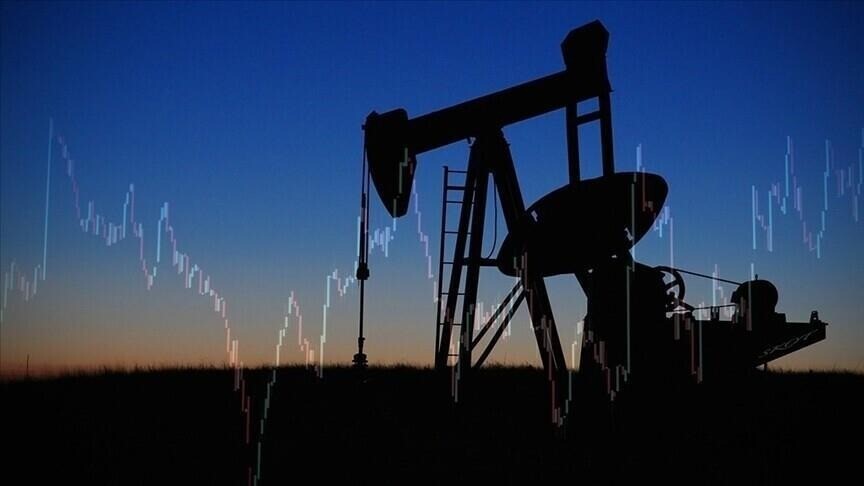
Global oil prices have retreated to four-month lows following reports of progress in indirect negotiations between the United States and Iran. The decline reflects a reduced risk premium as tensions regarding the Strait of Hormuz show tentative signs of cooling.

- Core Development: Global oil prices have retreated to four-month lows following reports of progress in indirect negotiations between the United States and Iran. The decline reflects a reduced risk premium as tensions regarding the Strait of Hormuz show tentative signs of cooling.
- Beat Context: Categorized under World with independent corroboration.
- Reporting Depth: 3 minute analytical read synthesized from verified newsroom sources.
Crude oil prices have retreated to their lowest levels in four months, driven by signals that diplomatic efforts to quell tensions in the Middle East are gaining traction. Both Brent crude and West Texas Intermediate futures have seen sharp declines, shedding more than 1% in early trading sessions. The drop follows reported positive progress during indirect negotiations held in Doha between the United States and Iran.
The negotiations were centered on the implementation of a memorandum of understanding designed to halt the ongoing regional conflict. While the sessions were technical, focusing on maritime transit and the status of frozen Iranian assets, the market response has been immediate. Traders appear to be unwinding the risk premium that had inflated energy prices since the conflict intensified earlier this year.
Media additions

Market and Diplomatic Context
The decline in oil prices mirrors a broader, if tentative, easing of friction in the Strait of Hormuz. Tanker traffic, though still trailing pre-conflict volumes, has begun a gradual recovery. According to data analytics from Kpler, 34 verified crossings were recorded on 1 July, suggesting that shippers are increasingly willing to navigate the waterway despite the lack of a permanent security deal.
While the diplomatic front shows momentum, significant hurdles remain. Iran has maintained a firm stance on its sovereignty over the Strait of Hormuz, rejecting regional security frameworks proposed by the US Central Command in Bahrain. Hormuz is defined under Iran’s command, not CENTCOM
, said Kazem Gharibabadi, Iran's Deputy Foreign Minister. Tehran has warned that it intends to assess tolls on commercial vessels beginning in mid-August, a move that contrasts with the American insistence on free and open navigation for international shipping.
The negotiations in Doha occurred against a backdrop of mourning in Tehran. Ali Khamenei, the former Supreme Leader of Iran, was killed in a strike on 28 February. Qatar’s foreign ministry announced that the next round of discussions will resume following the conclusion of funeral processions.
Sector Impact and Supply Dynamics
The shift in oil pricing has had a ripple effect across industrial and energy-related equities. In India, state-run oil marketing companies and tyre manufacturers saw significant stock price gains. Market observers attribute this to the expectation of reduced input costs as crude benchmarks continue their descent. Conversely, supply-side pressures persist; the US Energy Information Administration reported that commercial crude inventories fell by 3.8 million barrels in the week ended 26 June, reflecting resilient domestic fuel demand that has acted as a floor for price drops.
| Benchmark | Settlement Price (USD) | Percentage Change |
|---|---|---|
| Brent Crude | $70.80 | -1.09% |
| West Texas Intermediate | $67.75 | -1.28% |
What to Watch Next
- Funeral Processions: Formal talks between US and Iranian negotiators are expected to pause until after the burial of the late Supreme Leader, Ali Khamenei.
- OPEC+ Meeting: The group is expected to convene on Sunday to discuss a potential production increase of approximately 188,000 barrels per day for August.
- Shipping Tolls: Analysts are monitoring whether Tehran proceeds with its stated intention to impose transit tolls in the Strait of Hormuz once the current toll-free period expires in mid-August.
Despite the optimism expressed by US leadership regarding the denuclearization of Iran
moving along well, the technical nature of the recent talks did not yield a comprehensive resolution on nuclear site access. Iran’s Parliament Speaker, Mohammad Bagher Ghalibaf, stated that Tehran remains bound by its domestic laws regarding the level of access granted to international inspectors, asserting that current demands for oversight of bombed sites are false. As the 60-day window stipulated in the original 17 June ceasefire agreement continues, the global energy market remains hyper-sensitive to any signal that suggests a return to escalation or a permanent breakdown in the fragile status quo.
How significant is this development?
Contribute your assessment to the aggregated reader sentiment ledger.
Frequently Asked Questions
Key questions answered in this reportWhat is the key development in: Crude oil hits four-month low as US-Iran diplomatic tensions ease?
Global oil prices have retreated to four-month lows following reports of progress in indirect negotiations between the United States and Iran. The decline reflects a reduced risk premium as tensions regarding the Strait of Hormuz show tentative signs of cooling.
Why is this World development significant for the UK?
This report covers critical events in our World beat. Independent reporting monitors related UK statements, regulatory shifts, and public responses as further verified details emerge.
How was this reporting corroborated and verified?
Newsarchy UK compiles and cross-references reporting from primary reporting from livemint.com and cross-checked wire reports. All coverage adheres to published editorial standards.
When was this report published?
This briefing was published on July 2, 2026 and is permanently cataloged in the Newsarchy UK World archives.