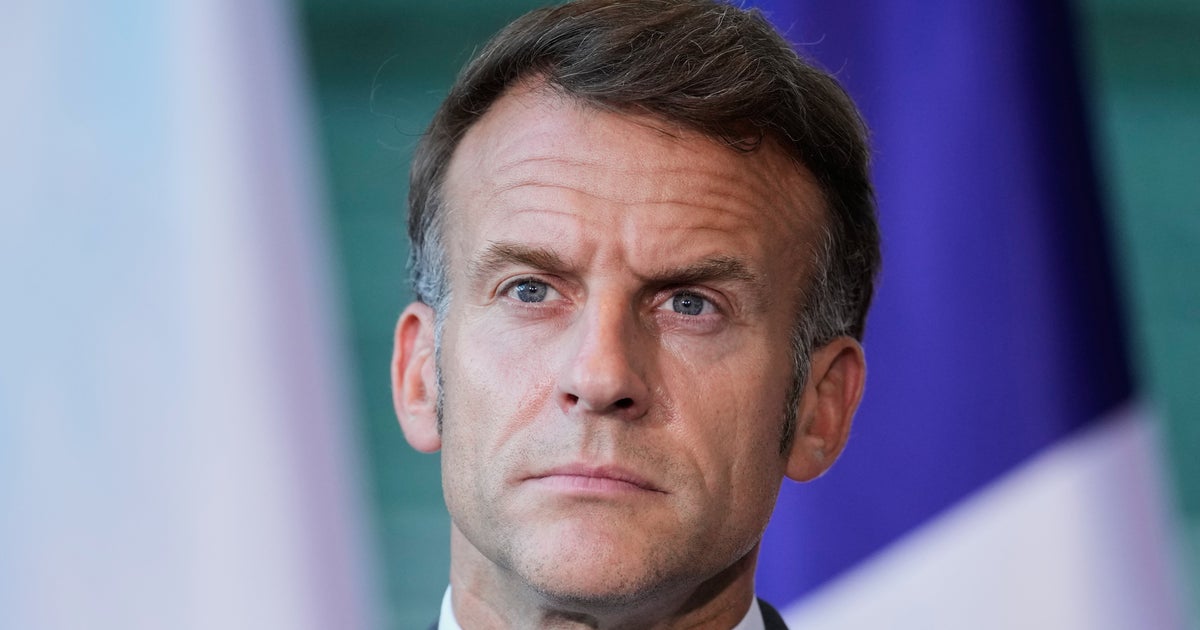
Emmanuel Macron unhurt after twin explosions rock Damascus during visit
French President Emmanuel Macron remains unharmed after two explosions occurred near his hotel during his state visit to Damascus. Meetings with Syrian President Ahmed al-Sharaa proceeded as planned to discuss economic and reconstruction agreements.

- Core Development: French President Emmanuel Macron remains unharmed after two explosions occurred near his hotel during his state visit to Damascus. Meetings with Syrian President Ahmed al-Sharaa proceeded as planned to discuss economic and reconstruction agreements.
- Beat Context: Categorized under World with independent corroboration.
- Reporting Depth: 3 minute analytical read synthesized from verified newsroom sources.
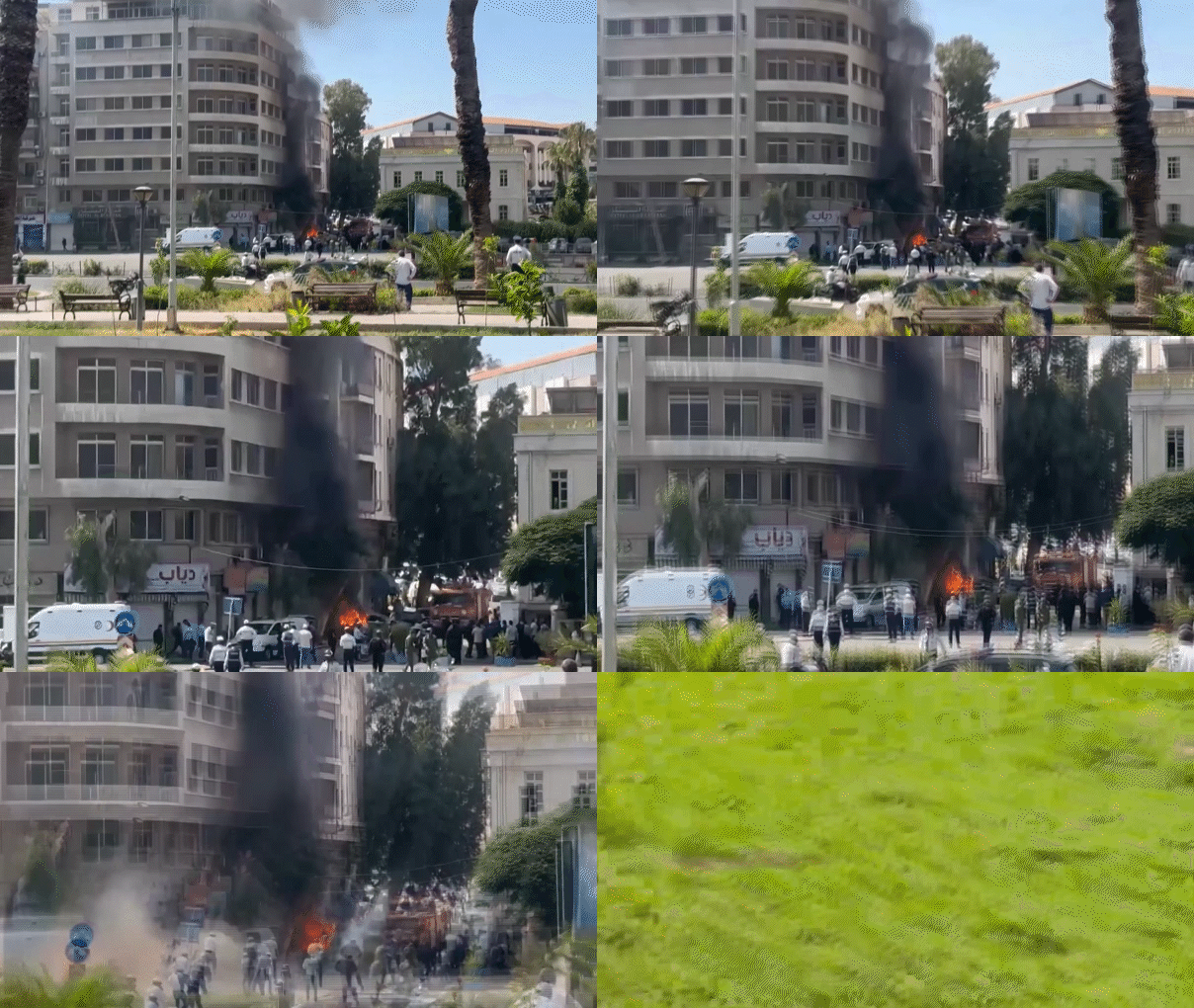
Twin explosions rocked Damascus on Tuesday, 7 July 2026, as French President Emmanuel Macron conducted a high-profile state visit to Syria. The blasts occurred near the Four Seasons Hotel, where the French leader had stayed the previous night, and caused at least 18 injuries, including four police officers, according to Syria’s Interior Ministry.
The incident unfolded on the morning of 7 July 2026, shortly after Macron’s motorcade departed for the presidential palace to meet with Syrian President Ahmed al-Sharaa. Despite the proximity of the explosions to his accommodation, the Élysée Palace confirmed that the president remained unharmed and did not hear the detonations. Meetings between the two delegations proceeded as scheduled at the presidential palace.
Media additions

Security and Attribution
Syrian authorities reported that the attacks involved crude improvised explosive devices. One device was hidden in a car and another in a refuse container. The Syrian Interior Ministry stated through the state news agency SANA that the bombs detonated while security specialists were attempting to defuse them. Officials emphasized that the site of the blasts was outside the designated security perimeter established for the French delegation, asserting that the visit faced no direct threat.
While no group has immediately claimed responsibility for the attack, the violence marks the second such occurrence in the capital in less than a week. On 2 July 2026, a separate explosive device detonated at a café near the Palace of Justice, resulting in at least 10 deaths and 20 injuries.
Geopolitical Implications
Macron’s arrival in Damascus represents the first visit by a European Union head of state since the 2024 ouster of Bashar al-Assad by rebel forces led by al-Sharaa. The French president arrived with a delegation of business leaders, including executives from TotalEnergies and the shipping firm CMA CGM, to focus on Syria’s economic reconstruction. During the trip, Macron and al-Sharaa formalized several agreements, including a partnership deal involving air freight operations at Damascus International Airport and a commitment to return 51 million euros in assets previously confiscated from Rifaat al-Assad, the late uncle of the former dictator.
The visit is viewed as a significant step in the geopolitical transformation of Syria under al-Sharaa, a former al-Qaeda commander who has since sought to build closer ties with Western powers. In a statement posted to social media following the explosions, Macron remarked,
"Nothing can smother the aspiration of Syrian women and men to live in a fully sovereign, safe, pluralistic, and united Syria."
Emmanuel Macron, President of France, via X
The visit comes as al-Sharaa works to stabilize a nation still recovering from 13 years of civil war. While the Syrian Foreign Ministry has described the recent attacks as attempts to destabilize the country that will not alter its trajectory toward international partnership, observers note the persistent threat posed by militant factions.
What to Watch Next
- NATO Summit: Following the conclusion of his visit to Damascus, President Macron is scheduled to travel to Ankara, Turkey, for a summit where President al-Sharaa is also expected to attend and hold meetings with United States President Donald Trump.
- Security Investigations: Syrian internal security forces have launched wide-ranging search operations to identify those responsible for the twin blasts and the preceding attack at the café.
- Economic Projects: Diplomatic focus remains on the implementation of the memoranda of understanding signed between Paris and Damascus, specifically regarding the reconstruction of water and electricity infrastructure in Homs and financial reform assistance for the Syrian Central Bank.
How significant is this development?
Contribute your assessment to the aggregated reader sentiment ledger.
Frequently Asked Questions
Key questions answered in this reportWhat is the key development in: Emmanuel Macron unhurt after twin explosions rock Damascus during visit?
French President Emmanuel Macron remains unharmed after two explosions occurred near his hotel during his state visit to Damascus. Meetings with Syrian President Ahmed al-Sharaa proceeded as planned to discuss economic and reconstruction agreements.
Why is this World development significant for the UK?
This report covers critical events in our World beat. Independent reporting monitors related UK statements, regulatory shifts, and public responses as further verified details emerge.
How was this reporting corroborated and verified?
Newsarchy UK compiles and cross-references reporting from primary reporting from apnews.com and cross-checked wire reports. All coverage adheres to published editorial standards.
When was this report published?
This briefing was published on July 7, 2026 and is permanently cataloged in the Newsarchy UK World archives.