EU to unveil most far‑reaching Russia sanctions list this autumn
The European Union is preparing a new sanctions package aimed at adding roughly 1,600 new entries linked to Russia's military-industrial complex this autumn.
EU to unveil most far‑reaching Russia sanctions list this autumn
EXECUTIVE BRIEFKey Takeaways & Signal
Core Development: The European Union is preparing a new sanctions package aimed at adding roughly 1,600 new entries linked to Russia's military-industrial complex this autumn.
Beat Context: Categorized under World with independent corroboration.
The European Union is set to broaden its punitive pressure on Moscow with a new wave of designations that could lift the total count of sanctioned Russian firms and individuals by roughly a third. The move arrives as Brussels tries to sustain the economic squeeze that, officials say, has already stripped Russia’s war machine of more than €1 trillion in value.
“EU sanctions have already cost Russia dearly, depriving Russia’s war machine of over €1 trillion and for autumn I am putting forward the most far‑reaching sanctions listings since the start of the war,”
Media additions
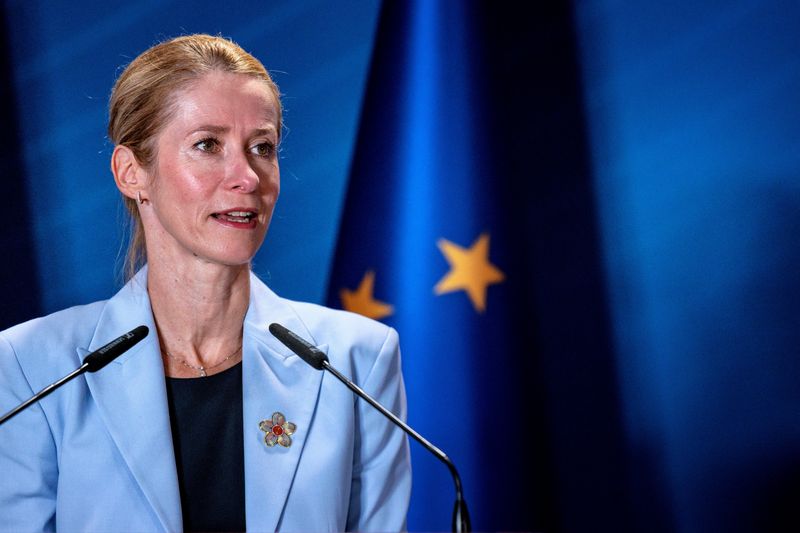
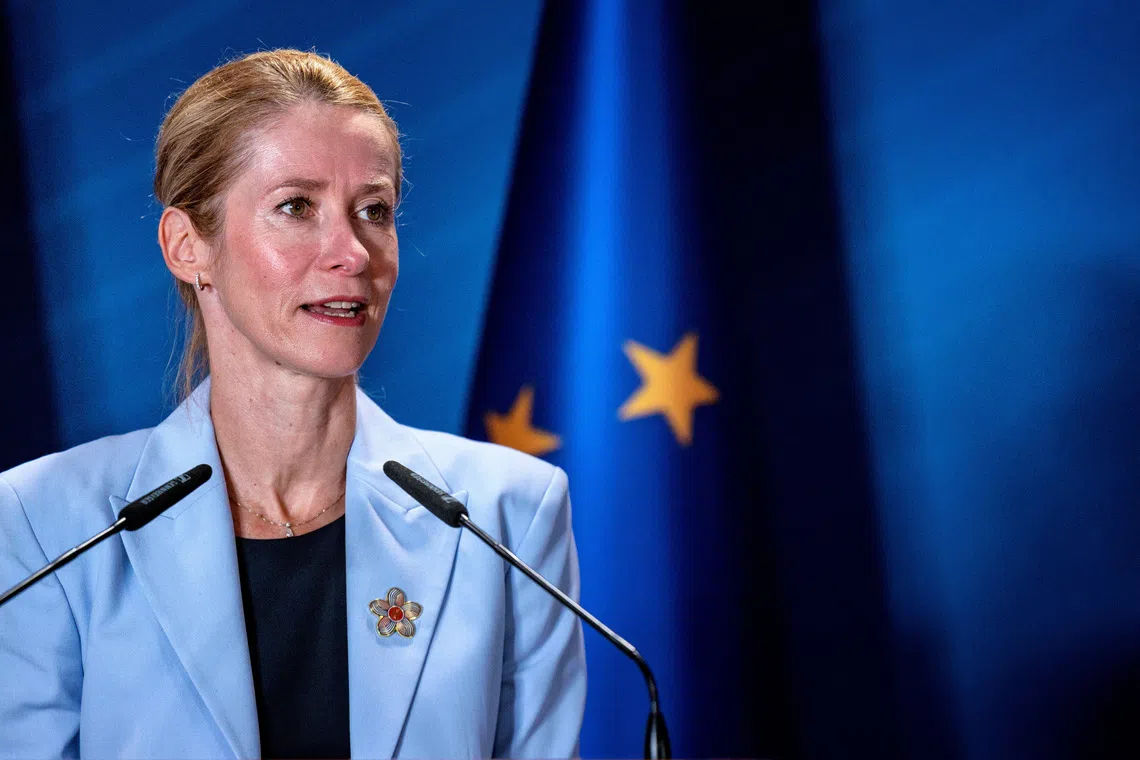
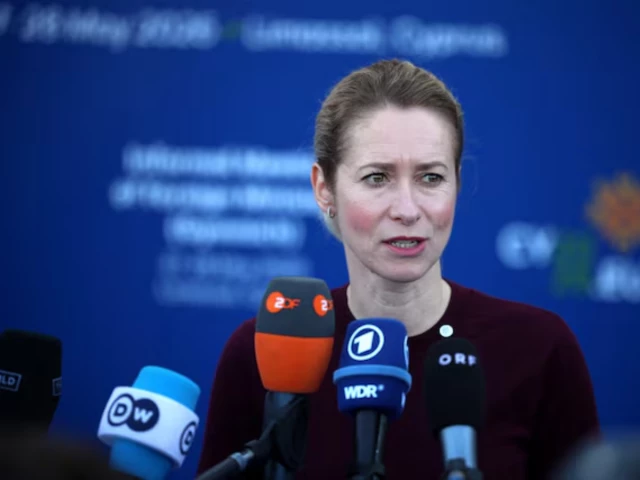
Image via straitstimes.comImage via tribune.com.pkImage via irishtimes.com
Kaja Kallas, EU foreign policy chief, via Die Welt
Kaja Kallas, who heads the European External Action Service (EEAS), did not spell out specifics, but diplomatic sources later told Reuters that the EEAS will draft about 1,600 new entries centred on entities linked to Russia’s military‑industrial complex. The designations are expected to combine travel bans, transaction prohibitions and asset freezes, adding to an existing list that already includes nearly 3,000 people and companies.
According to the same Reuters‑cited insiders, the EEAS plans to present the draft in early September with a view to securing unanimous approval in October. The timing is deliberate: the new listings will be submitted without accompanying sectoral measures—those remain the European Commission’s domain—so that the EU can avoid the long‑running disputes that have hampered previous packages.
Unanimity has indeed been a stumbling block. During negotiations for the July‑approved “21st package,” Greece raised an issue over a forthcoming ban on Russian liquefied natural gas transfers. That episode highlighted how sector‑wide actions can delay swift adoption, prompting Brussels this time to separate the core designations from broader sectoral steps.
The July package itself imposed curbs on Russia’s banking sector and cryptocurrency networks, showing that the EU can still move forward on targeted measures when consensus is reached. By contrast, the upcoming autumn rollout will be split into three strands. First, the core list of roughly 1,600 individuals and entities will be voted on in October. Second, a September tranche will target those accused of trafficking Ukrainian children under the framework of human‑rights violations. Third, a later‑autumn set will focus on Moscow’s hybrid threats, including cyberattacks and disinformation campaigns.
“Europe is facing an increasing hybrid threat. Sabotage, espionage and cyberattacks are in most cases attributable to Moscow,”
Kaja Kallas, via Express Tribune
Kallas also linked the EU push to a United States Senate sanctions bill that passed in early August, saying it “gives hope that Europe and the United States will move closer together on this issue.” The comment underscores a broader trans‑Atlantic alignment that could shape the sanctions landscape beyond the EU’s own measures.
By raising the sanctioned entity count by a third, the EU hopes to tighten the economic noose around Moscow’s war‑fighting capacity. The rationale, repeated by Kallas, is that “the pressure must keep growing until Moscow ends its war.” While the exact composition of the 1,600 entries remains confidential, diplomatic sources say they will target firms and individuals that supply weapons, components and services to the Russian defence sector.
Key dates and steps
What to watch next
READER INTELLIGENCE PULSE
How significant is this development?
Contribute your assessment to the aggregated reader sentiment ledger.
Click an option to register your anonymous assessment.
Frequently Asked Questions
Key questions answered in this report
What is the key development in: EU to unveil most far‑reaching Russia sanctions list this autumn?
The European Union is preparing a new sanctions package aimed at adding roughly 1,600 new entries linked to Russia's military-industrial complex this autumn.
Why is this World development significant for the UK?
This report covers critical events in our World beat. Independent reporting monitors related UK statements, regulatory shifts, and public responses as further verified details emerge.
How was this reporting corroborated and verified?
Newsarchy UK compiles and cross-references reporting from primary reporting from aol.com and cross-checked wire reports. All coverage adheres to published editorial standards.
When was this report published?
This briefing was published on August 18, 2026 and is permanently cataloged in the Newsarchy UK World archives.