Wildfires grip Europe as heat dries forests, strains firefighters
Intense heat waves and tinder-dry conditions have sparked severe wildfires across multiple European countries, forcing urgent evacuations and straining emergency services.
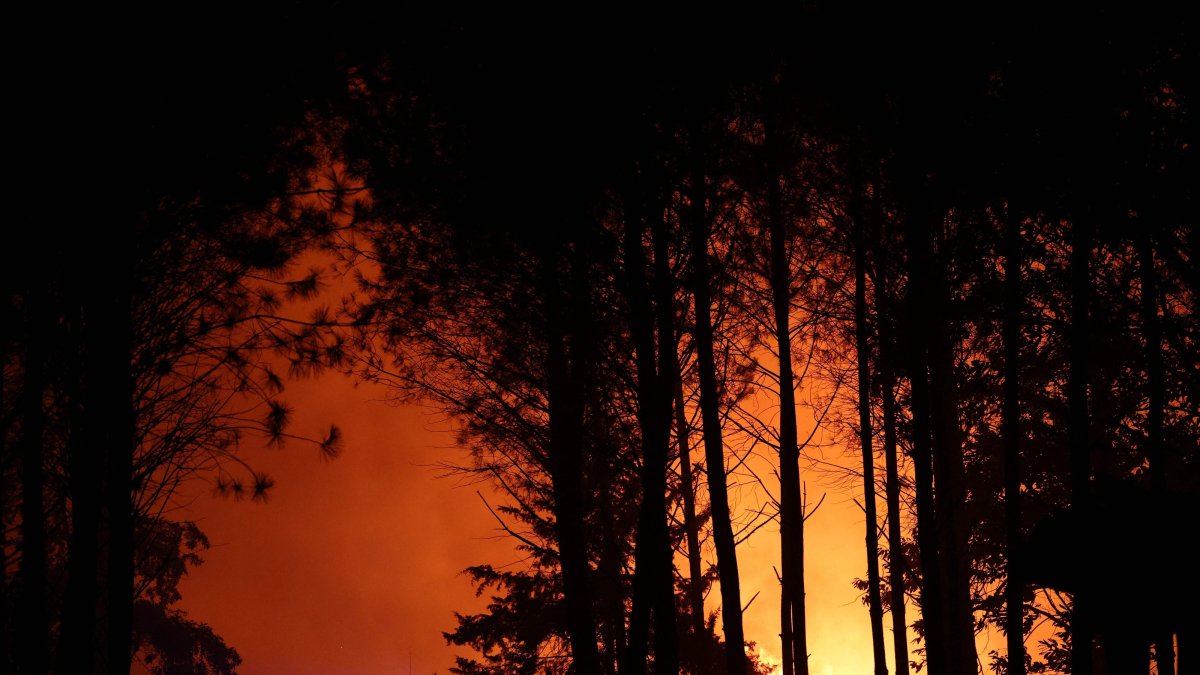
- Core Development: Intense heat waves and tinder-dry conditions have sparked severe wildfires across multiple European countries, forcing urgent evacuations and straining emergency services.
- Beat Context: Categorized under World with independent corroboration.
- Reporting Depth: 4 minute analytical read synthesized from verified newsroom sources.
Wildfires tore through multiple European regions as an intense wave of record-breaking heat left forests tinder-dry, placing emergency services under severe pressure. According to reporting compiled by Daily Sabah, the fires forced urgent evacuations across several countries, compounding an already punishing season for local firefighters.
France emerged as one of the hardest-hit nations, experiencing what authorities characterized as an unprecedented wildfire season. A fast-moving blaze raced through the pine forests of the southwestern Landes region, forcing hundreds of residents to leave their homes in the village of Luglon. Regional official Gilles Clavreul noted that the fire advanced dangerously close to the community, prompting road closures as emergency crews rushed to secure the area. The flames followed devastating fires earlier in the summer around Arcachon Bay that displaced massive numbers of people. Additional blazes flared in normally cooler, wetter areas in northern France and Brittany, including a significant deployment of emergency personnel to tackle a fire in Saint-Just within the Ille-et-Vilaine department.
Media additions


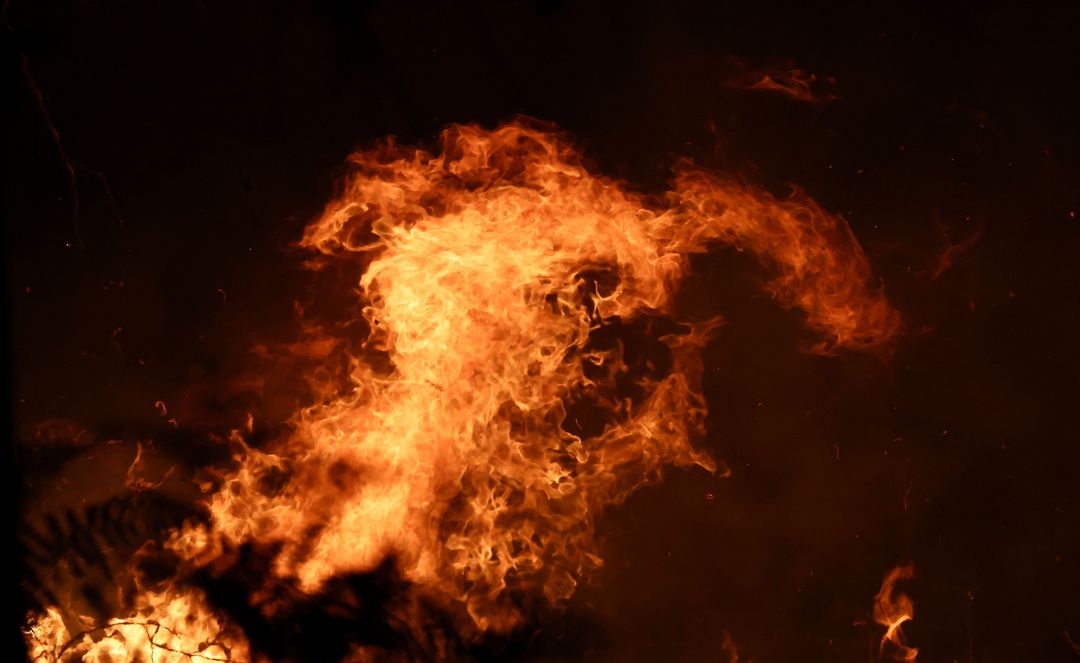
The national weather service reported that temperatures approached extreme highs across Aquitaine and the Rhone River valley. Meteo-France responded by placing multiple departments on red alert for very high wildfire risks, with numerous others placed under orange alerts, as detailed by TRT World.
Across the Channel, the United Kingdom faced its own severe heat-related emergencies. As reported by The Globe and Mail, the UK recorded its hottest day of the year with temperatures soaring in west London. The extreme weather ignited aggressive wildfires across the West Midlands that destroyed several houses. Simon Tuhill, the chief fire officer for the region, described the blazes as among the most significant incidents the service has ever handled. Data from the National Fire Chiefs Council indicated that over a thousand wildfires had been logged across England and Wales.
Germany experienced distinct hazards while battling a forest fire in the Hürtgen forest within North Rhine-Westphalia state. The blaze forced the complete evacuation of the village of Gey as flames approached residential outskirts. According to the German news agency dpa, cited by The Canberra Times, firefighting efforts were severely hampered by unexploded World War II munitions scattered throughout the woodland. Exploding ordnance forced personnel to maintain a safe distance, while shifting overnight winds heightened the threat to the village. The German military deployed tanks and firefighting helicopters to support the hundreds of ground personnel.
In Croatia, a fast-moving coastal fire near Omis forced more than a thousand people to flee overnight after strong winds pushed flames into residential suburbs. Local authorities confirmed that multiple individuals were hospitalized with life-threatening conditions, while public broadcaster HRT reported that residents sought refuge in packed sports halls and some jumped into the sea as nearby boats caught fire. Croatian crews subsequently deployed further south to tackle a newly erupted wildfire on the Peljesac peninsula. Meanwhile, Albania managed active blazes across multiple fronts, containing a large fire near residential perimeters in the Gure-Lure area while prosecuting individuals for failing to protect Lura National Park. In northern Greece, vacationers and residents were evacuated from coastal areas by sea as pine forests burned.
Experts and officials attribute the intensity of the crisis to human-caused climate change, which continues to drive severe heat waves and dry out landscapes across the continent. Many European nations remain particularly vulnerable because housing stock and civic infrastructure were historically designed for colder climates, leaving widespread air conditioning less common than in hotter global regions.
Regional Fire Response Overview
- France: Landes region and Luglon evacuated; red and orange alerts issued across multiple departments following record dryness.
- Germany: Gey evacuated due to forest fires in North Rhine-Westphalia, complicated by detonating World War II munitions.
- Croatia: Coastal fires near Omis force mass evacuations and hospitalizations, with subsequent outbreaks on the Peljesac peninsula.
- United Kingdom: West Midlands wildfires destroy homes on the nation's hottest day of the year, bringing total recorded incidents past a thousand.
What to watch next: Meteorological forecasts indicated that slightly cooler conditions were expected to arrive over the weekend, offering potential relief to firefighters battling the active fronts in France and surrounding nations. Authorities across Europe remain on high alert as monitoring continues for shifting wind patterns and secondary flare-ups in parched rural districts.
Find more updates on our dedicated World coverage section.
How significant is this development?
Contribute your assessment to the aggregated reader sentiment ledger.
Frequently Asked Questions
Key questions answered in this reportWhat is the key development in: Wildfires grip Europe as heat dries forests, strains firefighters?
Intense heat waves and tinder-dry conditions have sparked severe wildfires across multiple European countries, forcing urgent evacuations and straining emergency services.
Why is this World development significant for the UK?
This report covers critical events in our World beat. Independent reporting monitors related UK statements, regulatory shifts, and public responses as further verified details emerge.
How was this reporting corroborated and verified?
Newsarchy UK compiles and cross-references reporting from primary reporting from canberratimes.com.au and cross-checked wire reports. All coverage adheres to published editorial standards.
When was this report published?
This briefing was published on August 14, 2026 and is permanently cataloged in the Newsarchy UK World archives.