France's Top Court Blocks Social Media Ban For Under-15s
France's top court has blocked a social media ban for under-15s, citing violations of freedom of expression and inadequate privacy safeguards.
- Core Development: France's top court has blocked a social media ban for under-15s, citing violations of freedom of expression and inadequate privacy safeguards.
- Beat Context: Categorized under World with independent corroboration.
- Reporting Depth: 3 minute analytical read synthesized from verified newsroom sources.
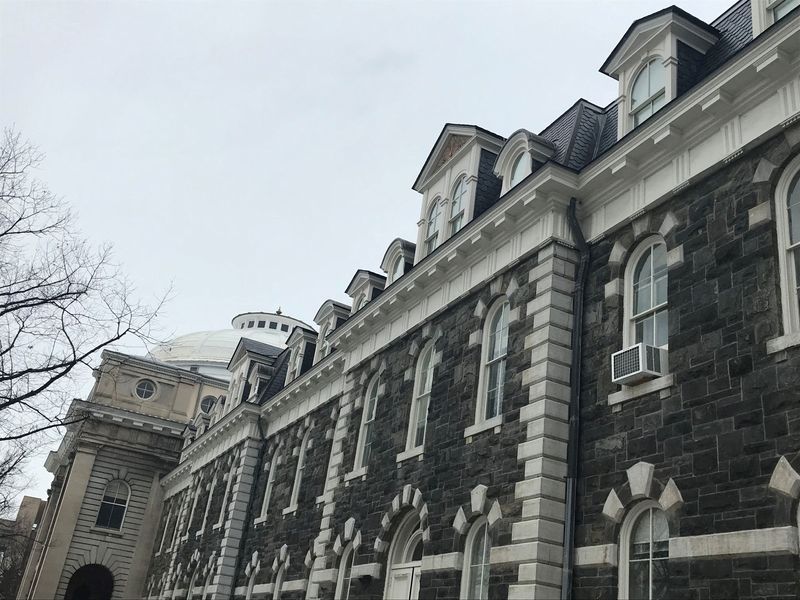
France’s top court has struck down a law that would have banned social media access for children under the age of 15. The Friday decision by the Constitutional Council deals a notable setback to President Emmanuel Macron, whose administration had championed the restrictions in response to growing concerns over the harmful effects of platforms on children's mental health.
French lawmakers had approved the legislation in July, positioning the country as the first in Europe to pursue a blanket ban on young people using the services. The timeline would have prevented children younger than 15 from opening new social media accounts starting September 1, while platforms would have been mandated to close existing profiles over a subsequent four-month period using age verification approved by the French privacy regulator. After the parliamentary vote, Prime Minister Sébastien Lecornu referred parts of the legislation to the Constitutional Council, a nine-member authority tasked with checking whether laws comply with the constitution.
Media additions
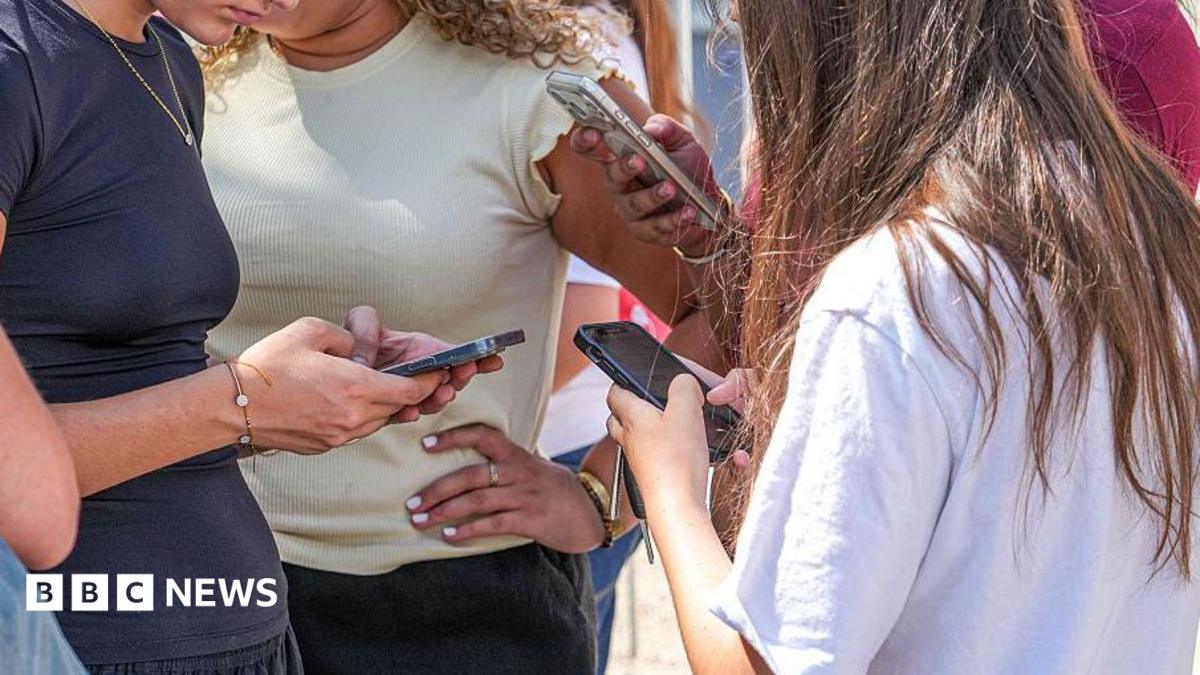

The council determined that Article 1 of the legislation constituted an infringement that was neither appropriate, necessary, nor proportionate to freedom of expression and communication. Furthermore, the court found that the statutory demand for users to provide proof of age failed to establish necessary legal safeguards and omitted proper conditions and limits to protect the right to respect for private life.
"The Council holds that the contested provisions, on the one hand, disproportionately infringe upon the freedom of expression and communication and, on the other, fail to provide the legal safeguards necessary to ensure the right to respect for private life"
Constitutional Council
Opponents of the French law had repeatedly questioned its viability, raising concerns over personal privacy, the efficacy of age-verification tools, the risks of young people bypassing restrictions, and the rapid pace at which the ban was designed and brought forward. Social media companies generally oppose blanket bans, arguing they already maintain measures to protect younger users—such as age restrictions—though industry representatives have also maintained they would comply with government bans. Major tech entities including Google, Meta, Snap, and TikTok did not immediately respond to requests for comment following the ruling.
The French debate unfolds against a broader international backdrop of legislative efforts to curb youth access to digital platforms. Australia introduced a world-first social media ban in December, barring under-16s from platforms including Facebook, Snapchat, TikTok, and YouTube. Australian lawmakers are currently considering stricter penalties after data indicated mixed success, and it is widely acknowledged that many young people in the country continue using the platforms. Other nations have also moved to restrict access: China, the United Arab Emirates, and Turkey have either instituted measures or announced plans to do so.
Momentum for similar curbs has been building across Europe and the UK. In the United Kingdom, former Prime Minister Sir Keir Starmer announced in June that under-16s in the UK will be banned from social media from January 2027. An optional midnight curfew for UK teens aged 16 and 17 was also announced. European Commission President Ursula von der Leyen proposed a "social media delay" for children in the European Union, stating that new legislation could be put forward in months and raising the prospect of phased access for different age ranges. Legislation restricting youth access to social media has ramped up across Europe over recent months.
What Happens Next
- President Emmanuel Macron has ordered Prime Minister Sébastien Lecornu to rework the draft legislation to take the Constitutional Council's concerns into account, according to a statement from the Élysée.
- The French government intends to work as quickly as possible to propose a new draft.
- The Élysée stated that Macron remains determined for the reform to take effect before spring 2027, when France holds a presidential election. Macron cannot run for a third term.
How significant is this development?
Contribute your assessment to the aggregated reader sentiment ledger.
Frequently Asked Questions
Key questions answered in this reportWhat is the key development in: France's Top Court Blocks Social Media Ban For Under-15s?
France's top court has blocked a social media ban for under-15s, citing violations of freedom of expression and inadequate privacy safeguards.
Why is this World development significant for the UK?
This report covers critical events in our World beat. Independent reporting monitors related UK statements, regulatory shifts, and public responses as further verified details emerge.
How was this reporting corroborated and verified?
Newsarchy UK compiles and cross-references reporting from primary reporting from deccanchronicle.com and cross-checked wire reports. All coverage adheres to published editorial standards.
When was this report published?
This briefing was published on August 15, 2026 and is permanently cataloged in the Newsarchy UK World archives.