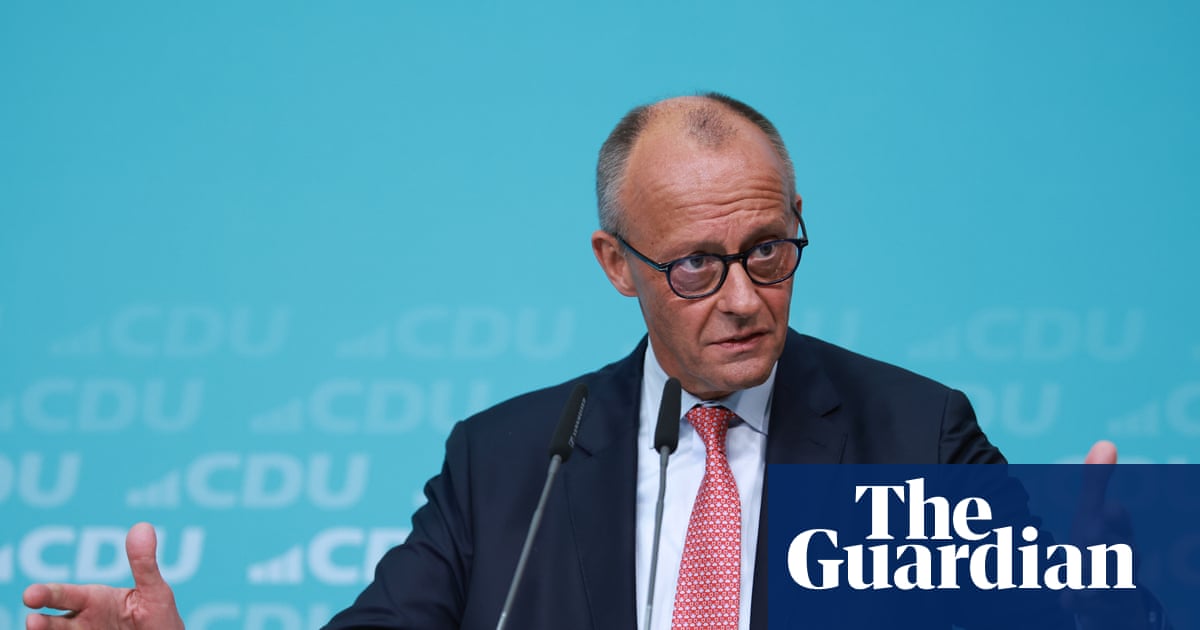
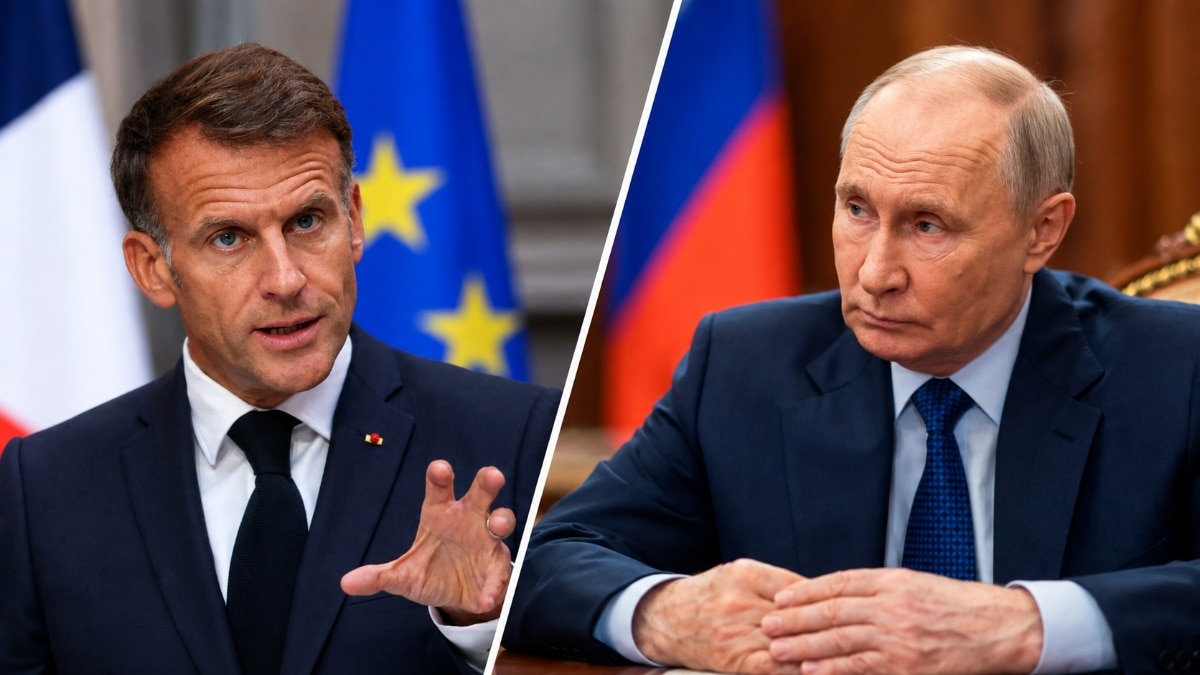
Germany rejects Trump's call for warships to patrol Hormuz Strait
German Defence Minister Boris Pistorius rebuffed requests for naval support in the Hormuz Strait, stating that the conflict is not Germany's war.
- Core Development: German Defence Minister Boris Pistorius rebuffed requests for naval support in the Hormuz Strait, stating that the conflict is not Germany's war.
- Beat Context: Categorized under World with independent corroboration.
- Reporting Depth: 4 minute analytical read synthesized from verified newsroom sources.
Germany rejects Trump’s demand for warships in the Hormuz Strait
Berlin publicly ruled out any deployment of German warships to the Strait of Hormuz on Monday, a direct rebuff of President Donald Trump’s appeal for allied naval escorts to protect commercial shipping in the contested waterway. The decision comes as the United States presses European and Asian partners to share the burden of keeping the vital oil transit route open after recent clashes between Israel, the United States and Iran.
German Defence Minister Boris Pistorius answered the president’s request with a terse statement that the conflict does not involve Germany. “This is not our war, we have not started it.
” he told reporters, adding a pointed question about the practical impact of a handful of European frigates alongside the United States Navy.
Media additions
"What does Donald Trump expect from a handful of European frigates in the Strait of Hormuz that the mighty US navy cannot manage alone?"
Boris Pistorius, German defence minister, via Irish Examiner
The German stance aligns with a broader European reluctance to be drawn into what officials describe as a U.S.-led confrontation. Italy’s foreign minister, Antonio Tajani, said diplomacy must prevail and dismissed any extension of existing EU naval missions in the Red Sea to the Hormuz corridor. Greece, host of the anti‑piracy operation Aspides, also announced it would not undertake military actions in the strait.
A spokesperson for Chancellor Friedrich Merz echoed the defence ministry’s position, reminding that NATO is “an alliance for the defence of territory,” a mandate that does not extend to the Hormuz waters under the current circumstances.
In London, Prime Minister Keir Starmer signalled a cautious approach. He affirmed the United Kingdom would not be “drawn into the wider war” but is working on a “viable plan” that would involve as many partners as possible. Japan’s prime minister, Sanae Takaichi, and Australia’s Canberra ministry have each said they have no immediate plans to dispatch naval vessels, echoing the sentiment voiced in a Reuters report cited by Yahoo News.
The backdrop to the diplomatic exchange is a series of escalations that began with a large‑scale U.S. Strike on Iran’s Kharg Island on 13 March 2026. Iranian forces retaliated with attacks on shipping routes and the deployment of naval mines, prompting a sharp drop in tanker traffic through the strait. The United States, which already fields a substantial naval presence in the Gulf, has called on “beneficiaries” of the waterway to help secure it, warning that a “very bad future” could await NATO if allies fail to act.
Trump’s appeal, made in an interview with the Financial Times, framed the request as a matter of shared responsibility among oil‑dependent nations. He argued that it is “only appropriate that people who are the beneficiaries of the strait will help to make sure that nothing bad happens there.” The German response, however, underscores a growing transatlantic tension: European leaders are weary of being portrayed as “militarily weak” while being asked to enter a conflict they did not initiate.
While the United States Navy continues to patrol the Hormuz corridor, European navies remain structured for regional defence and maritime security tasks such as anti‑piracy operations. The German rejection highlights a practical calculus: a limited number of frigates would add little to a theatre already saturated with U.S. Carrier strike groups and destroyers.
Key points from the latest statements
- German defence minister Boris Pistorius: “This is not our war, we have not started it.”
- Chancellor’s spokesperson: NATO’s mandate is territorial defence, not Gulf policing.
- UK prime minister: No immediate draw‑down into the wider war, but a “viable plan” is under discussion.
- Japan and Australia: No current intention to send warships.
- Trump: Presses allies to contribute escorts, warns of a “very bad future” for NATO.
Timeline of recent developments
| Date | Event |
|---|---|
| 13 March 2026 | U.S. Forces strike Iran’s Kharg Island, targeting facilities linked to shipping disruption. |
| Mid‑March 2026 | Iran retaliates with attacks on shipping routes and the laying of naval mines in the Strait of Hormuz. |
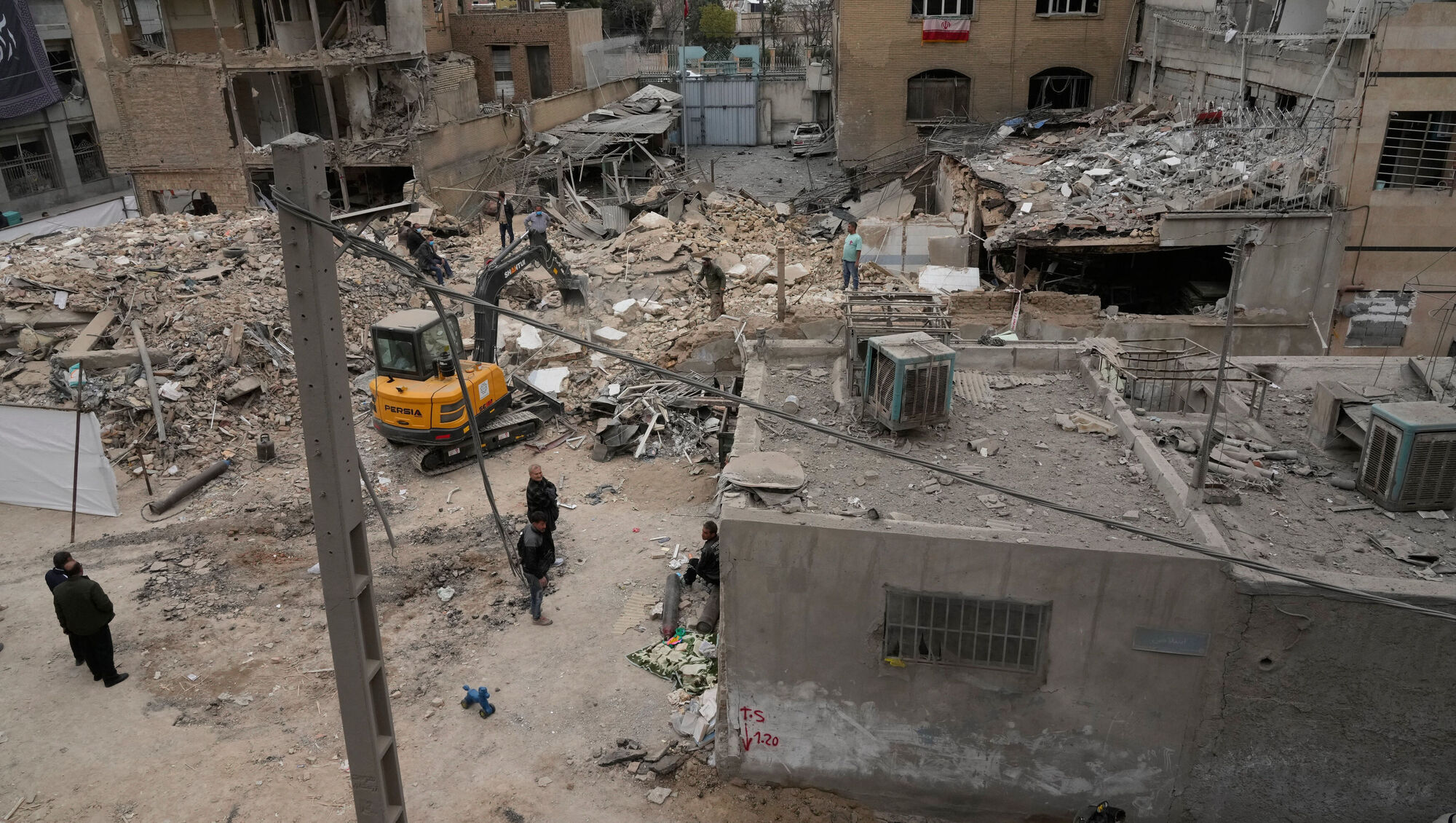
| 15 March 2026 | Images of destroyed police station in Tehran appear as the conflict expands. |
| Monday, date not specified | German defence minister publicly rejects Trump’s request; European foreign ministers meet to discuss diplomatic options. |
These events illustrate the rapid escalation from a targeted strike to a broader regional confrontation that now threatens global energy flows. Even without a European naval presence, the strait remains a focal point for diplomatic negotiations aimed at reopening the passage for commercial vessels.
What to watch next
- Developments in Iran’s willingness to engage in cease‑fire talks, following a Telegram message from its foreign minister.
How significant is this development?
Contribute your assessment to the aggregated reader sentiment ledger.
Frequently Asked Questions
Key questions answered in this reportWhat is the key development in: Germany rejects Trump's call for warships to patrol Hormuz Strait?
German Defence Minister Boris Pistorius rebuffed requests for naval support in the Hormuz Strait, stating that the conflict is not Germany's war.
Why is this World development significant for the UK?
This report covers critical events in our World beat. Independent reporting monitors related UK statements, regulatory shifts, and public responses as further verified details emerge.
How was this reporting corroborated and verified?
Newsarchy UK compiles and cross-references reporting from primary reporting from irishexaminer.com and cross-checked wire reports. All coverage adheres to published editorial standards.
When was this report published?
This briefing was published on July 20, 2026 and is permanently cataloged in the Newsarchy UK World archives.