New Zealand's ruling coalition falls one seat short of majority in final election count
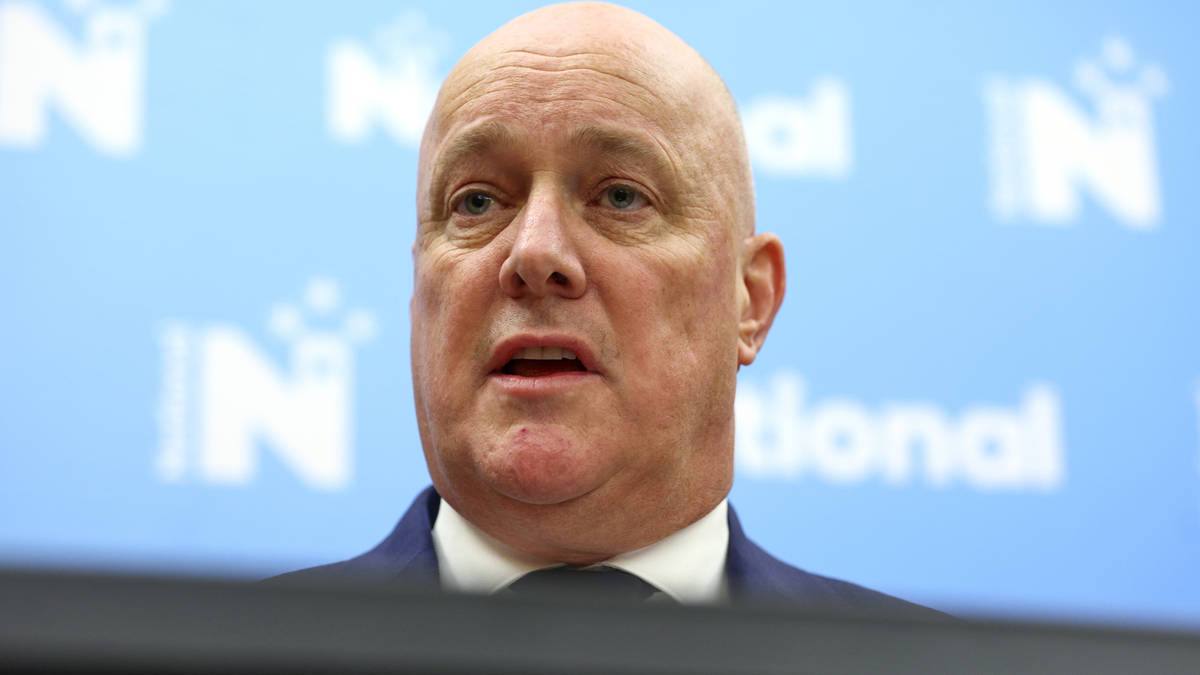
New Zealand's governing coalition has lost its parliamentary majority following the final election count, forcing Prime Minister Christopher Luxon to negotiate with a centrist newcomer party.
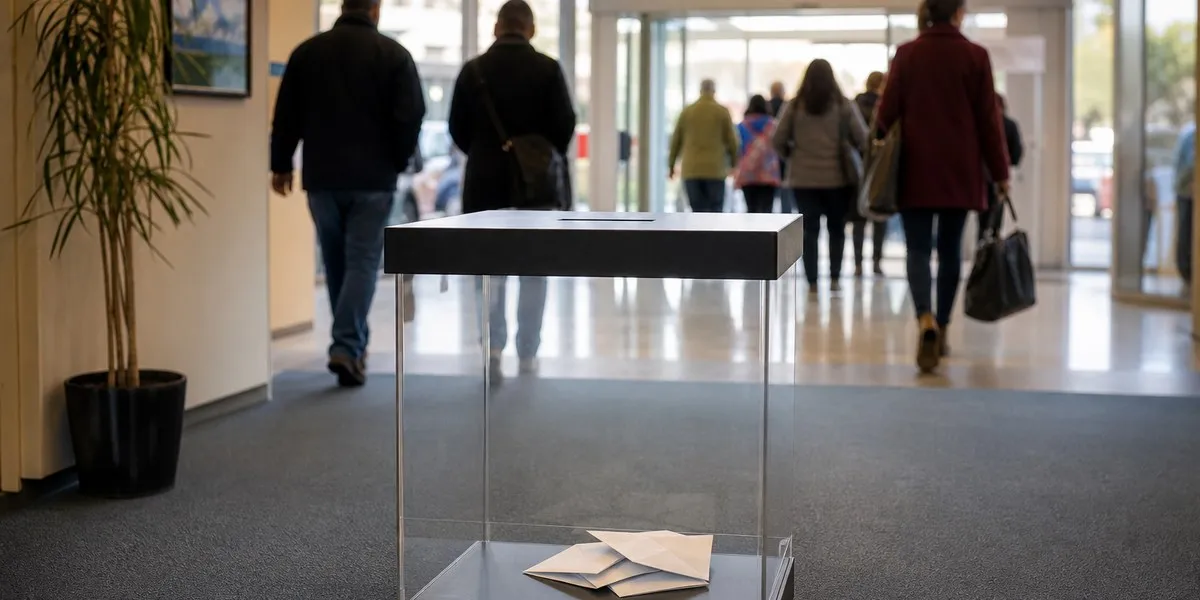
New Zealand's ruling coalition lost its parliamentary majority after the official election count, leaving Prime Minister Christopher Luxon dependent on a centrist newcomer party to retain power and avoid a return to the polls.
Final general election results released on Friday by the Electoral Commission showed the centre-right governing coalition securing 65 seats in the 130-seat parliament. That total leaves the incumbent administration exactly one seat short of the 66 needed for a majority, reversing a slim two-seat majority projected in preliminary tallies on election night.
Media additions

The shift followed the processing of nearly 485,000 special votes cast by overseas citizens and individuals voting outside their electorates. According to reporting from Lbc, these ballots traditionally skew toward parties on the left. The National Party lost two electorate seats to Labour, while the Green Party picked up an additional seat.
The electoral outcome places the centrist Opportunity Party in the role of kingmaker. Led by Qiulae Wong, the party entered parliament for the first time by securing seven seats. Because the three-party opposition bloc comprising Labour, the Green Party, and Te Pāti Māori falls short of a majority even with Opportunity's seven seats, Luxon must turn to Wong's party to forge a stable administration.
Negotiations are expected to prove complex. Opportunity has outlined policy positions that directly challenge the current conservative platform, including stronger climate commitments, stricter competition rules, restrictions on bottom-trawling, and a more active state investment policy.
| Party | Final Seats | Change from Preliminary |
|---|---|---|
| National Party | 40 | -2 |
| Labour Party | 36 | 0 |
| Green Party | 17 | +1 |
| ACT New Zealand | 13 | 0 |
| New Zealand First | 12 | 0 |
| Opportunity Party | 7 | 0 |
| Te Pāti Māori | 5 | 0 |
Luxon acknowledged that coalition talks may be challenging
and will require time. Speaking to reporters, the prime minister emphasized the need for stability:
"Kiwis won't thank us for rushing to an agreement that falls apart or for sending them back to the polls."
Christopher Luxon, Prime Minister, via BBC
Main opposition Labour leader Chris Hipkins noted that his party won the popular vote but conceded that Labour lacks a clear path to power under current arithmetic. While a center-left bloc is mathematically blocked from forming a government with Opportunity alone, analysts note that New Zealand First could theoretically strike a deal with centre-left parties, echoing arrangements made after the 2017 election.
Voter turnout for the general election reached 77.2%, down slightly from 78.2% in the 2023 poll. Economists at Westpac New Zealand warned clients in a note that forming a government before Christmas will be extremely difficult given the fractured results.
What to watch next
- Judicial recount applications must be filed within three working days, which could alter the parliamentary balance further if successful.
- Formal coalition and confidence-and-supply negotiations between National, its junior partners, and Opportunity will now commence.
- If no government can be formed, Governor-General Cindy Kiro has previously indicated that a fresh election may be called.
- Writs are scheduled to be returned on December 3, and parliament is legally required to meet on or before January 14. Until an administration is sworn in, the incumbent government continues to operate in a caretaker capacity.