Iran attacks tanker in Strait of Hormuz amid tenth night of US strikes
Hostilities in the Gulf have escalated as Iranian forces target shipping vessels while the U.S. continues a nightly aerial campaign. The conflict has stalled maritime transit and sent global energy prices to higher levels.
- Core Development: Hostilities in the Gulf have escalated as Iranian forces target shipping vessels while the U.S. continues a nightly aerial campaign. The conflict has stalled maritime transit and sent global energy prices to higher levels.
- Beat Context: Categorized under World with independent corroboration.
- Reporting Depth: 3 minute analytical read synthesized from verified newsroom sources.
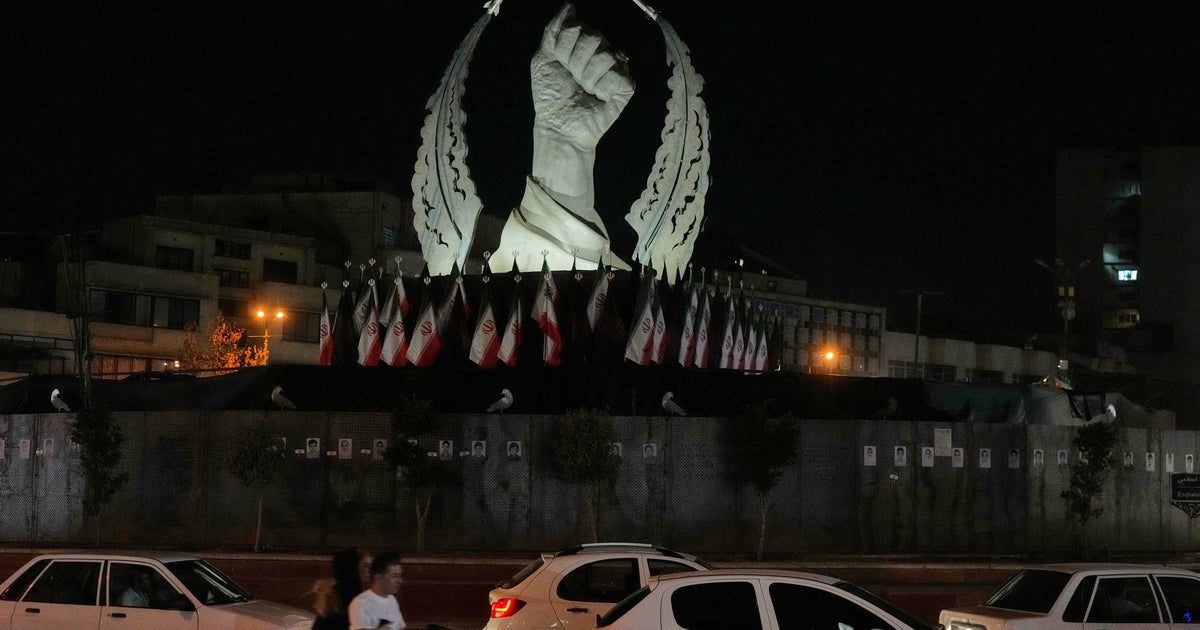
Escalating hostilities in the Gulf entered a new phase on Tuesday, 21 July 2026, as Iran launched fresh attacks on tankers within the Strait of Hormuz, coinciding with the tenth consecutive night of United States airstrikes in the region. The violence has effectively stalled transit through the critical maritime chokehold, with crews abandoning vessels amid intensifying exchanges of fire that have seen both nations strike civilian-reliant infrastructure.
The United Kingdom Maritime Trade Operations (UKMTO) center confirmed that a tanker came under attack early Tuesday in the strait off the coast of Oman, forcing the crew to evacuate. This follows reports from Iran’s paramilitary Revolutionary Guard, which claimed responsibility for this incident as well as two additional attacks on shipping vessels that occurred on Monday. The U.S. Military has historically encouraged commercial traffic to utilize the route around Oman to circumvent Iranian control, yet the latest violence has demonstrated the vulnerability of this passage.
Media additions


U.S. Central Command stated that its ongoing nightly aerial campaign—now reaching its tenth night—is designed to degrade Iranian capabilities. Operations have specifically targeted Iranian military command centers, maritime assets, missile and drone launch sites, and air defense systems. The conflict, which began on 28 February 2026, has already claimed the lives of 17 U.S. Service members. The military confirmed two soldiers were killed in Jordan in attacks that left a third person missing. Separately, the military confirmed another death in Iraq on Saturday during the “controlled detonation” of a downed Iranian drone.
Regional spillover has intensified, with Tehran targeting U.S.-allied nations. Kuwait reported that its air defenses intercepted incoming barrages, while Jordan confirmed the shoot-down of three Iranian missiles. In Bahrain, the Foreign Ministry condemned Iranian drone strikes that impacted local air traffic systems, stating these actions endangered civilian travel. Amid the heightened risk, the U.S. State Department has issued a global warning to Americans, citing the potential for Iran or its proxies to target U.S. Interests overseas.
The geopolitical instability has placed significant upward pressure on energy markets. Benchmark Brent crude was trading above $88 a barrel on Tuesday, and U.S. Gasoline prices have climbed to an average of $4 a gallon. The crisis has been further complicated by Yemen’s Houthi rebels, who announced a maritime embargo against Saudi Arabia. The Houthis, acting in response to an earlier strike on Sanaa International Airport, stated they would block shipping between the Red Sea and the Gulf of Aden by targeting the Bab el-Mandeb strait. Saudi military spokesperson Maj. Gen. Turki al-Malki labeled the Houthi threats a "blatant violation of international law" and maintained that the kingdom would protect its vessels.
Diplomatic efforts to restore order remain in flux. Iranian Interior Minister Eskandar Momeni arrived in Islamabad on Monday for talks with Pakistani leadership in an attempt to mediate the conflict. While U.S. Secretary of State Marco Rubio told reporters on Sunday that the U.S. Remains open to "real" negotiations, he noted that current conditions remain unfavorable for a breakthrough. The interim deal, which was intended to de-escalate the fighting last month, has largely crumbled, leaving both sides at a tenuous impasse.
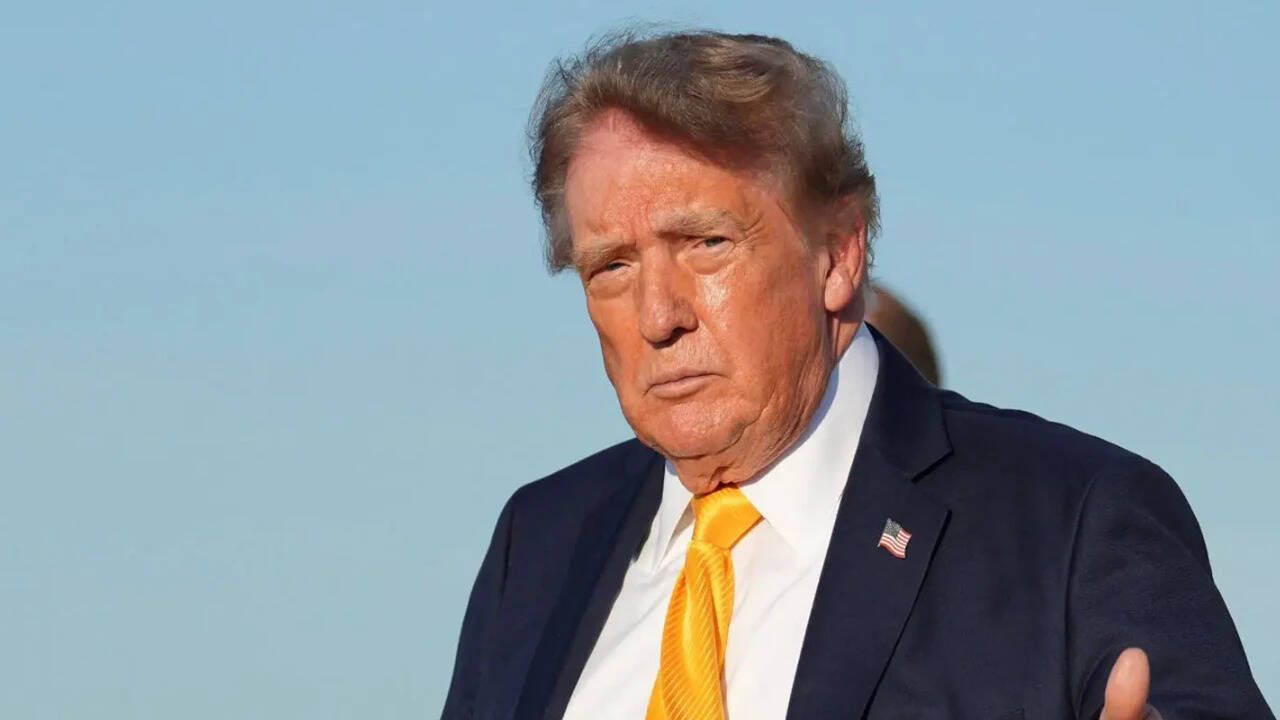
As the conflict continues, President Donald Trump has signaled a commitment to further retaliation, stating that every death of a U.S. Soldier will be met with a response. The President was expected to attend a ceremony at Dover Air Force Base on Tuesday evening for the arrival of fallen service members, a moment that underscores the human cost of the ongoing hostilities.
How significant is this development?
Contribute your assessment to the aggregated reader sentiment ledger.
Frequently Asked Questions
Key questions answered in this reportWhat is the key development in: Iran attacks tanker in Strait of Hormuz amid tenth night of US strikes?
Hostilities in the Gulf have escalated as Iranian forces target shipping vessels while the U.S. continues a nightly aerial campaign. The conflict has stalled maritime transit and sent global energy prices to higher levels.
Why is this World development significant for the UK?
This report covers critical events in our World beat. Independent reporting monitors related UK statements, regulatory shifts, and public responses as further verified details emerge.
How was this reporting corroborated and verified?
Newsarchy UK compiles and cross-references reporting from primary reporting from cbc.ca and cross-checked wire reports. All coverage adheres to published editorial standards.
When was this report published?
This briefing was published on July 21, 2026 and is permanently cataloged in the Newsarchy UK World archives.