Iran issues list of new demands over Strait of Hormuz
Iran has issued an uncompromising set of demands to reopen the vital Strait of Hormuz, dealing a severe blow to hopes for a swift diplomatic resolution.
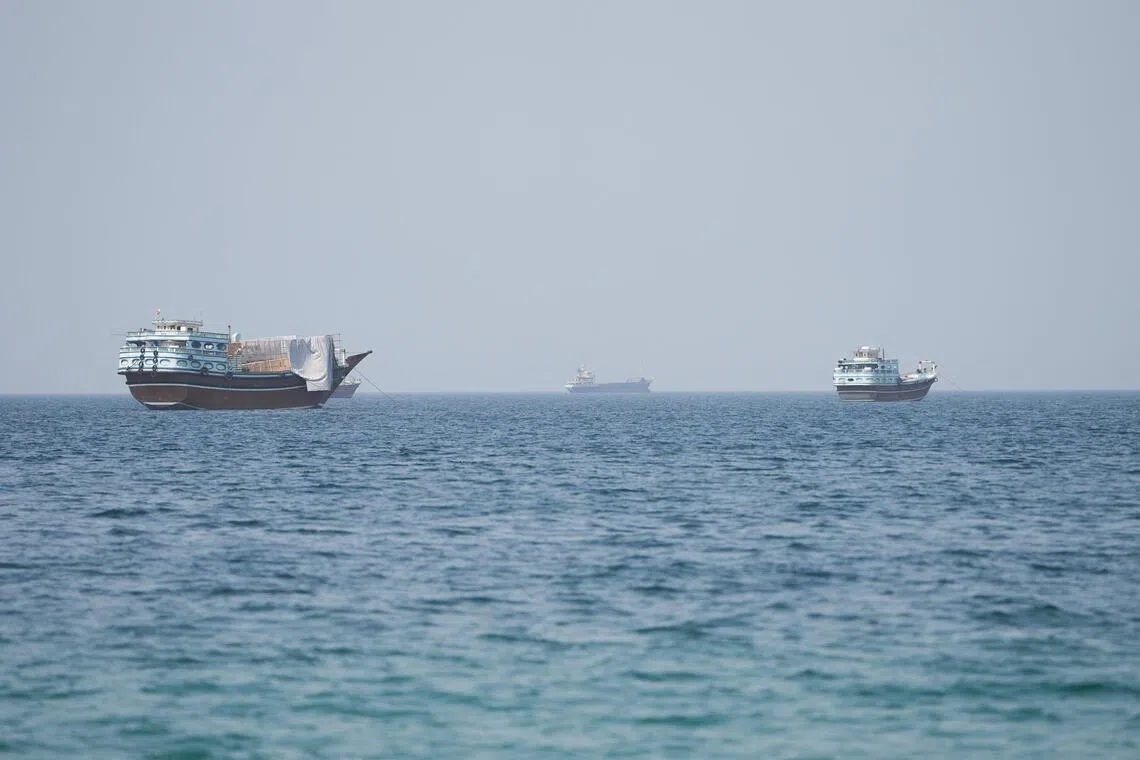
- Core Development: Iran has issued an uncompromising set of demands to reopen the vital Strait of Hormuz, dealing a severe blow to hopes for a swift diplomatic resolution.
- Beat Context: Categorized under World with independent corroboration.
- Reporting Depth: 4 minute analytical read synthesized from verified newsroom sources.
Hopes for a swift resolution to the crisis in the Strait of Hormuz suffered a severe blow as Iran laid down an uncompromising set of preconditions for reopening the vital global energy chokepoint.
The announcement from Tehran arrives as regional volatility intensifies, complicating ongoing diplomatic efforts and threatening international energy supplies.
Media additions
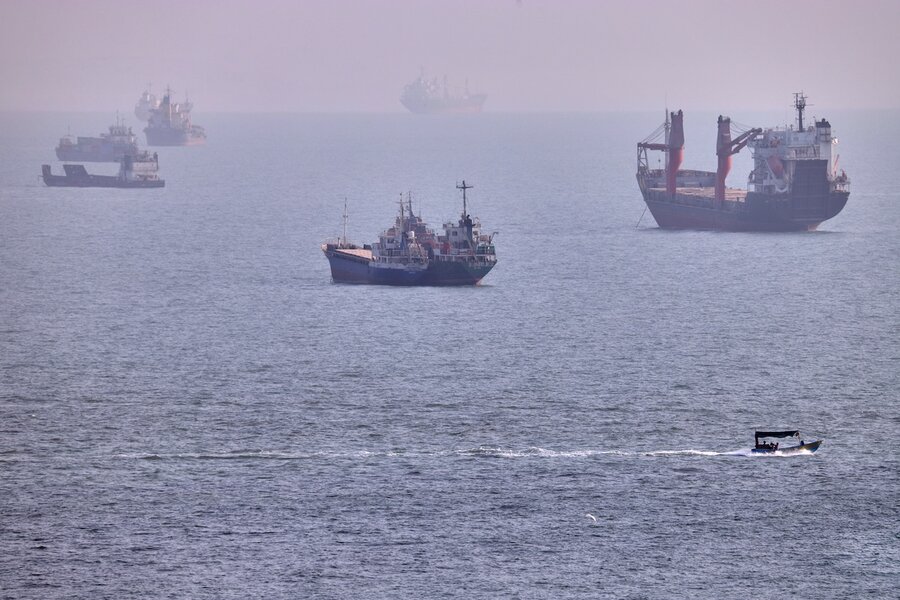

Mohammad Bagher Zolghadr, secretary of Iran’s Supreme National Security Council and a commander in the Islamic Revolutionary Guard Corps, issued a sweeping statement carried by state media outlining the requirements, according to reporting by the Strait Times. The demands include the immediate lifting of the United States naval blockade, an end to sanctions, the complete withdrawal of American military forces from the surrounding area, full war reparations, and the unconditional release of frozen Iranian assets. Furthermore, Tehran insists that the United States must cease threatening the country and halt its attacks on regional allies.
The timing of the announcement has abruptly dampened optimism that a parallel diplomatic track involving Oman would yield a prompt resumption of commercial shipping. Iranian Foreign Minister Abbas Araghchi acknowledged that Tehran and Oman were very close to an agreement concerning navigation and the determination of a temporary transit route through the waterway. However, Araghchi maintained that the actual reopening of the strait remains strictly contingent upon Washington compensating for alleged violations of the short-lived interim peace agreement signed in June, known as the Islamabad Memorandum, as reported by the National Post.
The fragile June ceasefire, brokered by Pakistani mediators, quickly unraveled amid differing interpretations of the accord. While the U.S. Supported a southern shipping route skirting Oman’s coastline to bypass Iranian waters, Tehran viewed those maneuvers as an infringement on its asserted management of the strait. Consequently, Iran targeted commercial vessels utilizing the route, prompting the reimposition of the American naval blockade.
Adding to the friction, Araghchi ruled out direct talks with the U.S. For the time being, telling state television that negotiations cannot resume as long as American violations of the memorandum persist, according to the National Post. Meanwhile, Hossein Mohebbi, a spokesperson for the Revolutionary Guard, emphasized that reopening the waterway is not strictly contingent on the Oman negotiations, but rather relies entirely on the U.S. Fully accepting Iranian conditions, as noted by the Strait Times.
Regional military friction has kept pace with the diplomatic deadlock. On Saturday, August 8, 2026, the Foreign Ministry of the United Arab Emirates reported that an Iranian missile had targeted a tanker belonging to the state-owned Abu Dhabi National Oil Company (ADNOC) while crossing the strait, according to the Irish Times. ADNOC stated that no casualties resulted from the incident, though the firm noted that over a dozen of its vessels have been struck by missiles and drones since the outbreak of the conflict in late February, resulting in one crew member's death and numerous injuries.
Maritime data company Kpler reported that just over a dozen ships per day navigated the strait over the preceding week, a steep decline from the pre-war daily average of 130 vessels. To evade detection by patrolling forces, some commercial operators have resorted to switching off their location-transmitting transponders, complicating accurate monitoring of the vital corridor.
Raz Zimmt, an Iran expert at the Institute for National Security Studies in Israel, observed that Tehran’s willingness to negotiate with Oman is intended at most to establish the framework for how the waterway might eventually reopen, rather than signaling an immediate willingness to compromise on core demands, as detailed by the Strait Times.
Key Developments and Context
- Diplomatic Stalling: Direct talks between Iran and the United States are currently suspended, with Tehran demanding compensation for alleged violations of the June interim agreement.
- Sweeping Conditions: The Supreme National Security Council insists that the U.S. Lift its naval blockade, withdraw regional forces, end sanctions, release frozen funds, and pay war reparations before the strait reopens.
- Shipping Disruptions: Traffic through the critical energy chokepoint remains severely depressed, accompanied by ongoing attacks on commercial tankers, including a recent strike on an ADNOC vessel reported by Emirati authorities.
- Regional Repercussions: The continuing impasse poses significant risks for global energy supplies, with broader implications for international markets and domestic political pressures ahead of upcoming electoral cycles.
As the standoff persists, the initial 60-day window allocated for negotiating a final settlement under the June framework is drawing to a close, though provisions exist for potential extensions. Observers and energy markets will watch closely to see whether Washington responds to Tehran's extensive conditions or if maritime security in the region deteriorates further.
How significant is this development?
Contribute your assessment to the aggregated reader sentiment ledger.
Frequently Asked Questions
Key questions answered in this reportWhat is the key development in: Iran issues list of new demands over Strait of Hormuz?
Iran has issued an uncompromising set of demands to reopen the vital Strait of Hormuz, dealing a severe blow to hopes for a swift diplomatic resolution.
Why is this World development significant for the UK?
This report covers critical events in our World beat. Independent reporting monitors related UK statements, regulatory shifts, and public responses as further verified details emerge.
How was this reporting corroborated and verified?
Newsarchy UK compiles and cross-references reporting from primary reporting from straitstimes.com and cross-checked wire reports. All coverage adheres to published editorial standards.
When was this report published?
This briefing was published on August 9, 2026 and is permanently cataloged in the Newsarchy UK World archives.