Iran's Ghalibaf says Hormuz will stay closed until US meets demands
Iran's chief negotiator Mohammad Bagher Ghalibaf announced that the Strait of Hormuz will not be opened until the United States meets Tehran's demands.
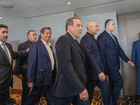
- Core Development: Iran's chief negotiator Mohammad Bagher Ghalibaf announced that the Strait of Hormuz will not be opened until the United States meets Tehran's demands.
- Beat Context: Categorized under World with independent corroboration.
- Reporting Depth: 3 minute analytical read synthesized from verified newsroom sources.
On Tuesday, 18 August 2026, Iran’s top negotiator and parliament speaker Mohammad Bagher Ghalibaf declared that the strategic Strait of Hormuz will remain closed until the United States fulfills Tehran's demands, which include the lifting of a naval blockade.
In a speech broadcast on state television, Ghalibaf outlined the conditions required for reopening the waterway. According to his televised remarks, the reopening depends entirely on whether American commitments outlined in a memorandum of understanding are implemented.
Media additions

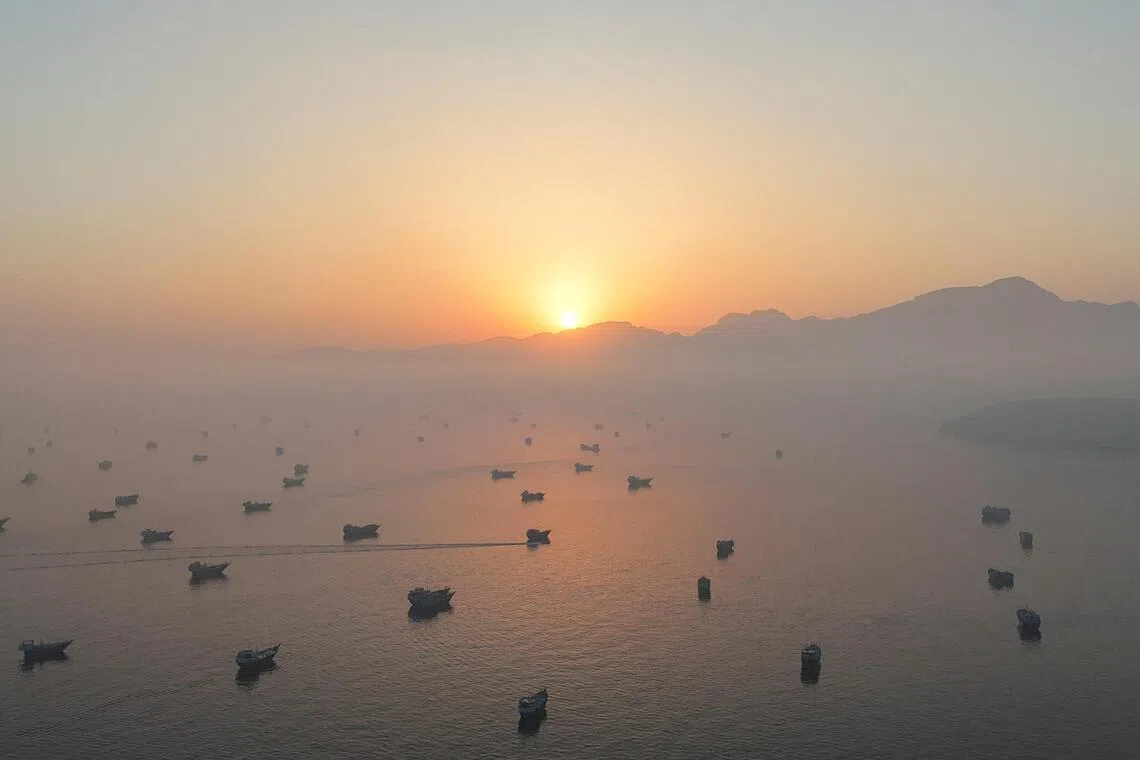
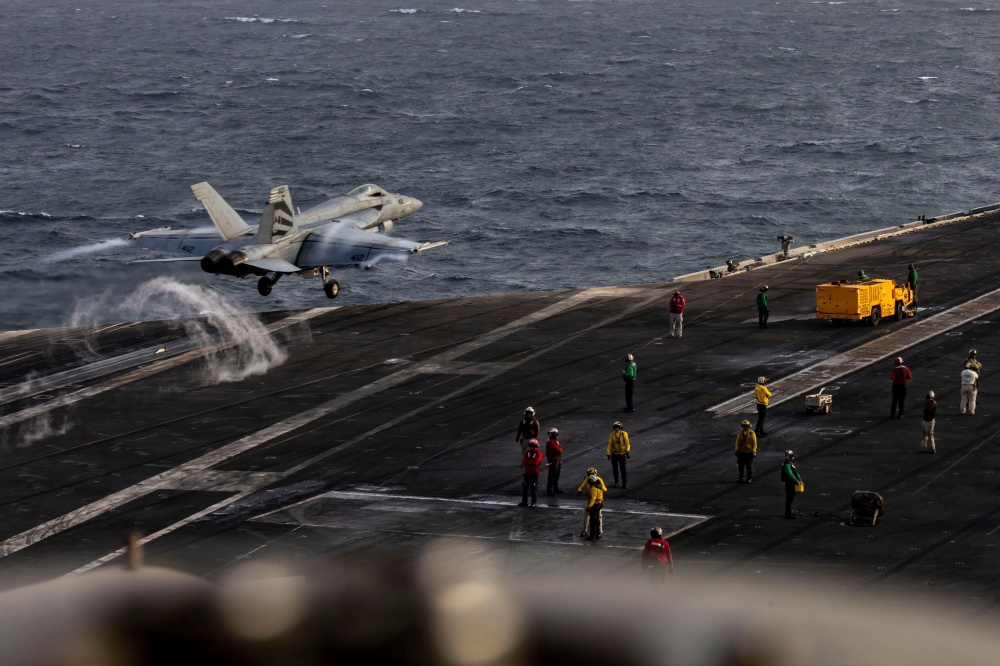
"I want to state clearly that the Strait of Hormuz will not be opened until the American commitments stipulated in the memorandum of understanding... are implemented."
Mohammad Bagher Ghalibaf, Negotiator and Parliament Speaker, via Naharnet
Ghalibaf detailed specific demands during his address, citing the removal of the blockade, the lifting of sanctions on oil and gas sales, and the unfreezing of Iranian financial assets abroad. He also warned that Iran remains prepared to inflict an even more crushing defeat on the enemy, proportionate to its actions and advances. The memorandum of understanding referenced by Ghalibaf stems from peace talks that began in June after delegations from the United States and Iran entered negotiations aimed at a war-ending deal, following the outbreak of conflict on 28 February 2026.
While diplomatic efforts and truce talks have attempted to stabilize the region, control of the vital global energy conduit has remained contested. Since the war began, Iran has maintained control over the strait, requiring vessels to seek permission and pay transit service fees—a practice opposed by Washington and multiple regional nations. Concurrently, coastal states Iran and Oman have spent weeks discussing navigation through the strait. Tehran reported that views are being exchanged on the text of a joint statement, with the geographical coordinates of the route envisaged by both countries having been agreed upon.
The situation in the waterway has continued to generate friction and operational hazards. On Tuesday, 18 August 2026, the United Kingdom Maritime Trade Operations reported that a vessel exiting the strait was struck by an unknown projectile. The impact damaged the vessel's engine room, caused a crew casualty, and prompted the Omani Coast Guard to assist the remaining crew members. Meanwhile, Energy Secretary Chris Wright told Fox News that the Strait remains a conflict zone where disruptions to ship traffic create hurdles for transporting oil and gas, noting that public tracking data fails to reflect true transit figures because ships have turned off their trackers.
The diplomatic standoff has also involved sharp rhetoric between Washington and Tehran. Following social media posts by U.S. President Donald Trump displaying a map that labeled the Strait of Hormuz as new U.S. Territory, Iran's Deputy Foreign Minister Kazem Gharibabadi dismissed the suggestion as a delusion.
"Soon his delusion regarding the Strait of Hormuz will either be corrected or we will correct the delusions of this deluded man,"
Kazem Gharibabadi, Deputy Foreign Minister, via CBS News
White House officials subsequently downplayed the president's territory claims as a joke, even as President Trump insisted that the United States controls the strait through its blockade. Jared Kushner, serving as a U.S. Special envoy, added that Iran is not showing any interest in striking a deal that makes sense for the United States, emphasizing that the administration remains focused on exerting economic pressure and preventing Tehran from acquiring a nuclear weapon.
As the 60-day negotiation period under the memorandum of understanding expires, further developments hinge on whether the warring parties can bridge their gaps over sanctions, blockades, and maritime control, or if sporadic clashes in and around the Strait of Hormuz will persist.
How significant is this development?
Contribute your assessment to the aggregated reader sentiment ledger.
Frequently Asked Questions
Key questions answered in this reportWhat is the key development in: Iran's Ghalibaf says Hormuz will stay closed until US meets demands?
Iran's chief negotiator Mohammad Bagher Ghalibaf announced that the Strait of Hormuz will not be opened until the United States meets Tehran's demands.
Why is this World development significant for the UK?
This report covers critical events in our World beat. Independent reporting monitors related UK statements, regulatory shifts, and public responses as further verified details emerge.
How was this reporting corroborated and verified?
Newsarchy UK compiles and cross-references reporting from primary reporting from cbsnews.com and cross-checked wire reports. All coverage adheres to published editorial standards.
When was this report published?
This briefing was published on August 18, 2026 and is permanently cataloged in the Newsarchy UK World archives.